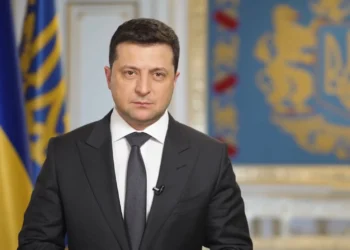
South Korea drops denuclearization condition for opening diplomatic talks with North Korea, adopting a practical “peace first” framework. Unification Minister Chung Dong-young announced that Seoul will focus on freezing North Korea’s nuclear weapon development rather than demanding a full shutdown before sitting down. Officials recognize that demanding complete nuclear disarmament up front has kept communication blocked for seven straight years. By removing this steep barrier, South Korea hopes to reopen dialogue, prevent Pyongyang from producing more nuclear material, and lower regional tensions.
Why South Korea Drops Denuclearization
Government officials argue that insisting on immediate nuclear surrender is no longer realistic. North Korea continues to run underground centrifuges and its Yongbyon plutonium reactor, constantly expanding its warhead supply. Pushing for total denuclearization before talks even begin means no conversations happen while North Korea builds more bombs.
Priority goes to stopping active uranium enrichment and plutonium processing. Re-establish baseline communication channels between Seoul and Pyongyang. Work toward a nuclear-free Korean Peninsula without forcing unrealistic preconditions.
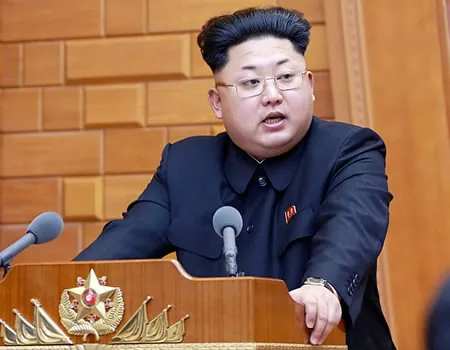
North Korea has so far ignored Seoul’s peacemaking attempts, calling the South a separate, hostile state. However, South Korean officials hope upcoming international meetings between world leaders will open new opportunities for diplomatic breakthroughs.
My Opinion
For years, Western and South Korean foreign policy has been stuck in a loop. Administrations repeatedly demanded that North Korea surrender its nuclear weapons before anyone would negotiate in good faith. That policy failed completely. While world leaders stood on the moral high ground demanding total disarmament, Kim Jong Un quietly expanded his missile program, upgraded his nuclear warheads, and built a far more dangerous arsenal.
Dropping preconditions is not a sign of weakness; it is a sign of practical reality. You cannot negotiate with an opponent if you set demands they will never accept just to enter the room.
Nuclear weapons are Kim Jong Un’s primary regime insurance policy. He was never going to give them away simply to get a seat at a preliminary meeting.
By shifting focus toward freezing nuclear activities, South Korea takes a sensible approach. A frozen nuclear program is much safer for the region than an expanding one. Dialogue keeps lines of communication open, reduces the risk of accidental military conflict, and lets both sides manage crisis situations.
Many will argue that Seoul is backing down or letting North Korea keep its weapons. But doing the exact same thing for decades while the threat grows worse is poor strategy. Taking small steps toward peace first gives diplomats a real chance to slow down a dangerous arms race.
Bottom Line
As South Korea drops denuclearization condition rules, the focus moves to whether Pyongyang will respond to these new terms. Getting North Korea back to the table will take time and careful international coordination. Still, choosing direct engagement over deadlocked silence gives the region a realistic path toward long-term stability.