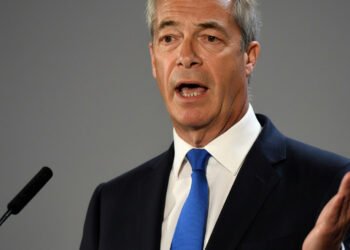
Tension between Mullin and White House officials is rapidly increasing just four months into his tenure leading the Department of Homeland Security. Homeland Security Secretary Markwayne Mullin was chosen by President Donald Trump to lead the agency responsible for executing the administration’s signature border and immigration policies. However, senior administration and department officials report growing friction following early operational stumbles and messaging disagreements. As the agency faces intense public and political pressure, internal disputes over policy execution are straining relations between cabinet leadership and West Wing aides.
Why Tension Between Mullin and White House Is Escalating
The Department of Homeland Security sits at the center of the administration’s key domestic priorities, making any stumble high-profile and politically sensitive. Sources indicate that White House advisers expect rapid, aggressive execution on border security and immigration enforcement. When administrative delays or public relations missteps occur, frustration inside the West Wing builds quickly.
Misalignment on how fast sweeping immigration directives can be implemented on the ground. Disagreements over public messaging and press strategy surrounding agency operations. Massive external pressure on DHS to deliver immediate results without creating unnecessary legal or media backlash.
Mullin, a former U.S. Senator known for his blunt political style, now faces the challenging task of managing a federal bureaucracy while keeping White House political strategists satisfied.
My Opinion
Stepping out of the Senate and taking over the Department of Homeland Security is one of the hardest adjustments in the federal government. When you are a senator, your main job is speaking to the press, debating policy, and holding hearings. But running a massive agency like DHS requires managing tens of thousands of personnel, navigating endless legal hurdles, and executing complex logistics every single day.
It is not surprising to see friction emerge early on. West Wing advisers often expect instant results, especially on flagship political issues like immigration. They draft ambitious goals on paper, but turning those political promises into legal, working reality inside a bureaucratic system takes time. When reality slows down the timeline, White House staff get impatient and start pointing fingers at agency leadership.
However, leaking internal disputes to the press only makes matters worse for everyone involved. Publicly undermining a cabinet secretary four months into the job creates confusion within the department and signals instability to critics. If the administration wants its immigration policies to succeed, West Wing strategists and DHS officials need to align their expectations behind closed doors rather than airing their grievances through anonymous leaks.
Bottom Line
As tension between Mullin and White House advisers continues to make headlines, both sides must find a way to work together smoothly. With immigration remaining a central political issue, Secretary Mullin faces immense pressure to resolve internal friction, streamline agency operations, and deliver the results the West Wing demands.