The United States Senate is expected to begin voting as early as Monday on the nomination of Manhattan U.S. Attorney Jay Clayton to become the country’s next director of national intelligence, a position overseeing America’s 18 intelligence agencies.
President Donald Trump nominated Clayton following the departure of Tulsi Gabbard, who stepped down in June after facing criticism from congressional Democrats over claims that she advanced Trump’s political interests and promoted disputed allegations surrounding the 2020 election.
Lawmakers are scheduled to hold a procedural vote on Monday evening to determine whether Clayton’s nomination will advance to a final confirmation vote, which is expected later this week.
With Republicans holding a 53-47 majority in the Senate, Clayton is widely expected to secure enough support for confirmation, despite opposition from Democratic senators.
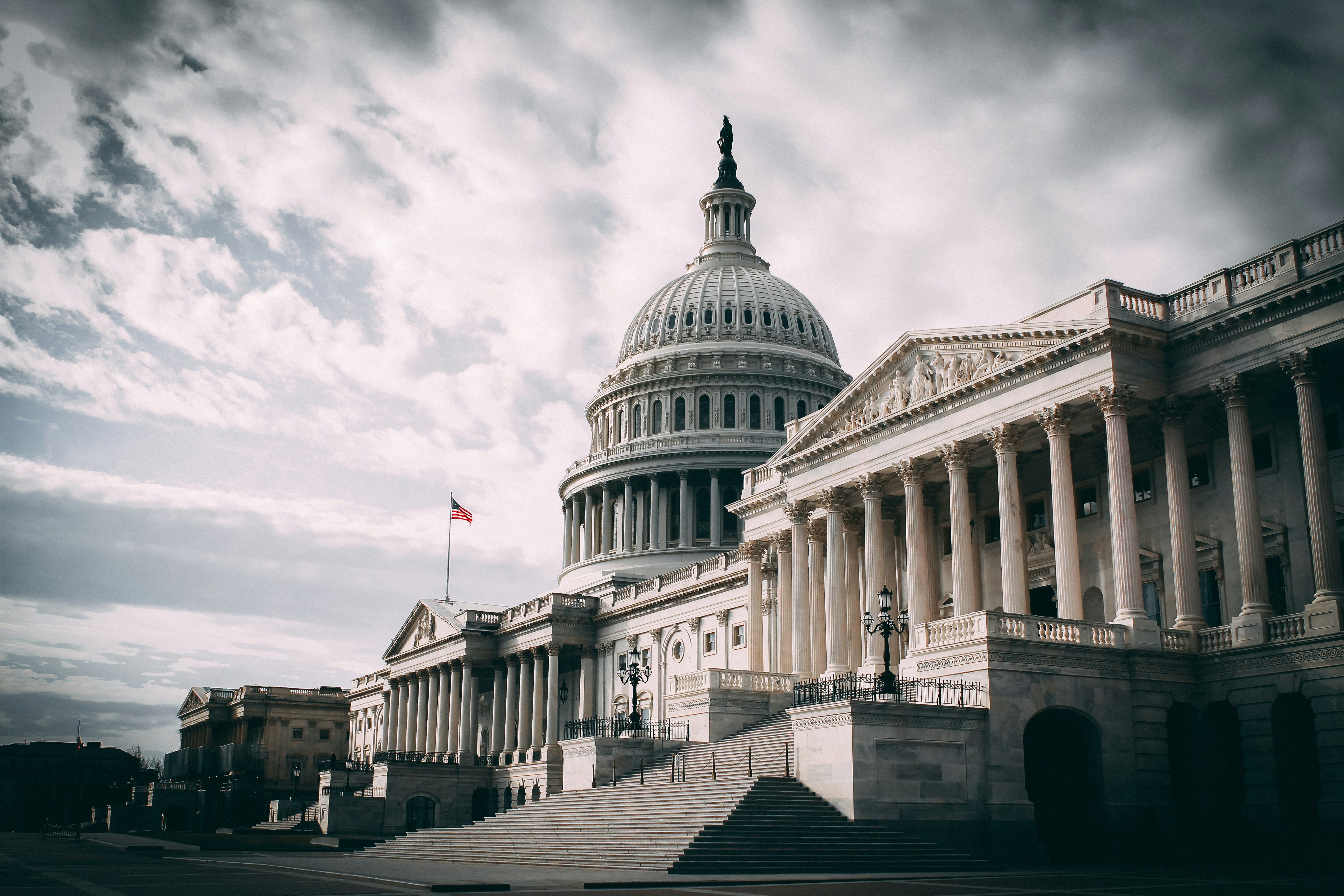
The Senate Intelligence Committee narrowly endorsed Clayton’s nomination last week in a 9-8 party-line vote after Republicans backed his candidacy while Democrats unanimously opposed it.
During his confirmation hearing, Clayton repeatedly declined to directly state that Trump lost the 2020 presidential election, drawing criticism from Democratic lawmakers.
He also faced questions over his decision to authorise subpoenas compelling New York Times journalists to testify before a federal grand jury investigating reports about security concerns involving Trump’s Qatari-donated Air Force One aircraft.
The Justice Department later informed a court that it intended to withdraw the subpoenas following scrutiny from a federal judge.
Reacting to Clayton’s nomination, Senator Ron Wyden criticised the nominee’s performance during the confirmation process.
“From start to finish, Mr. Clayton has proven himself incapable of telling the truth or demonstrating an iota of independence from Donald Trump. For those reasons, I voted ‘no’ on his nomination,” the Oregon Democrat said.
However, Senator Tom Cotton, the Republican chairman of the Senate Intelligence Committee, defended Clayton’s qualifications.
“Highly qualified nominee with a deep experience combating a wide range of national security threats,” Cotton said.
Clayton’s path to confirmation had already faced uncertainty before his July 15 hearing after Trump unexpectedly requested that the hearing be delayed while pressing Congress to pass a sweeping package of voting reforms.
Although several senators initially indicated the hearing would proceed as planned, Clayton ultimately did not appear after Trump instructed him to stay away.
If confirmed, Clayton will assume responsibility for coordinating the work of the nation’s intelligence community, a role created in the aftermath of the September 11, 2001, terrorist attacks to improve cooperation among U.S. intelligence agencies.