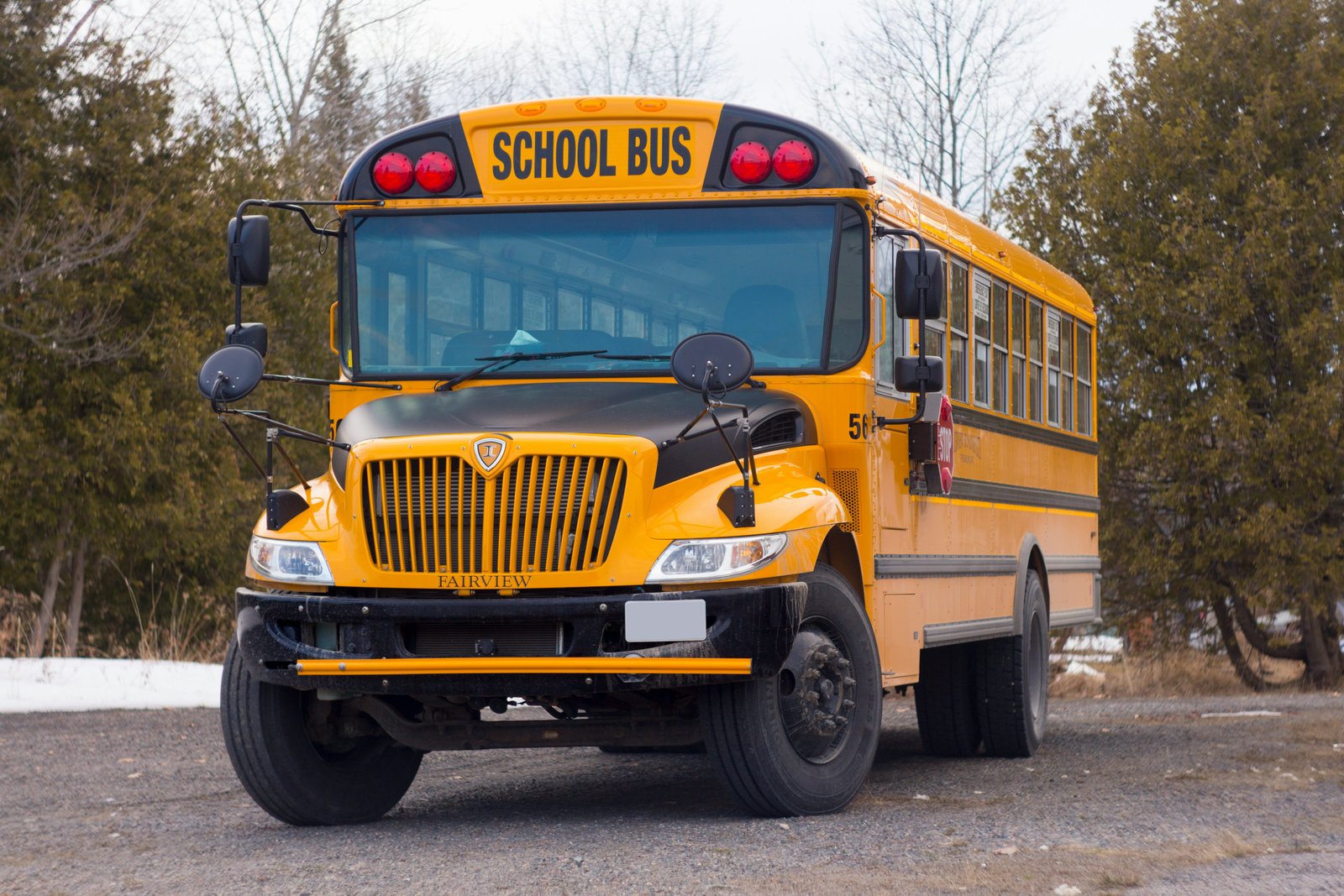

School districts across the United States are facing growing difficulties transporting students to classrooms as driver shortages, rising operating costs and declining enrolment continue to disrupt school bus services.
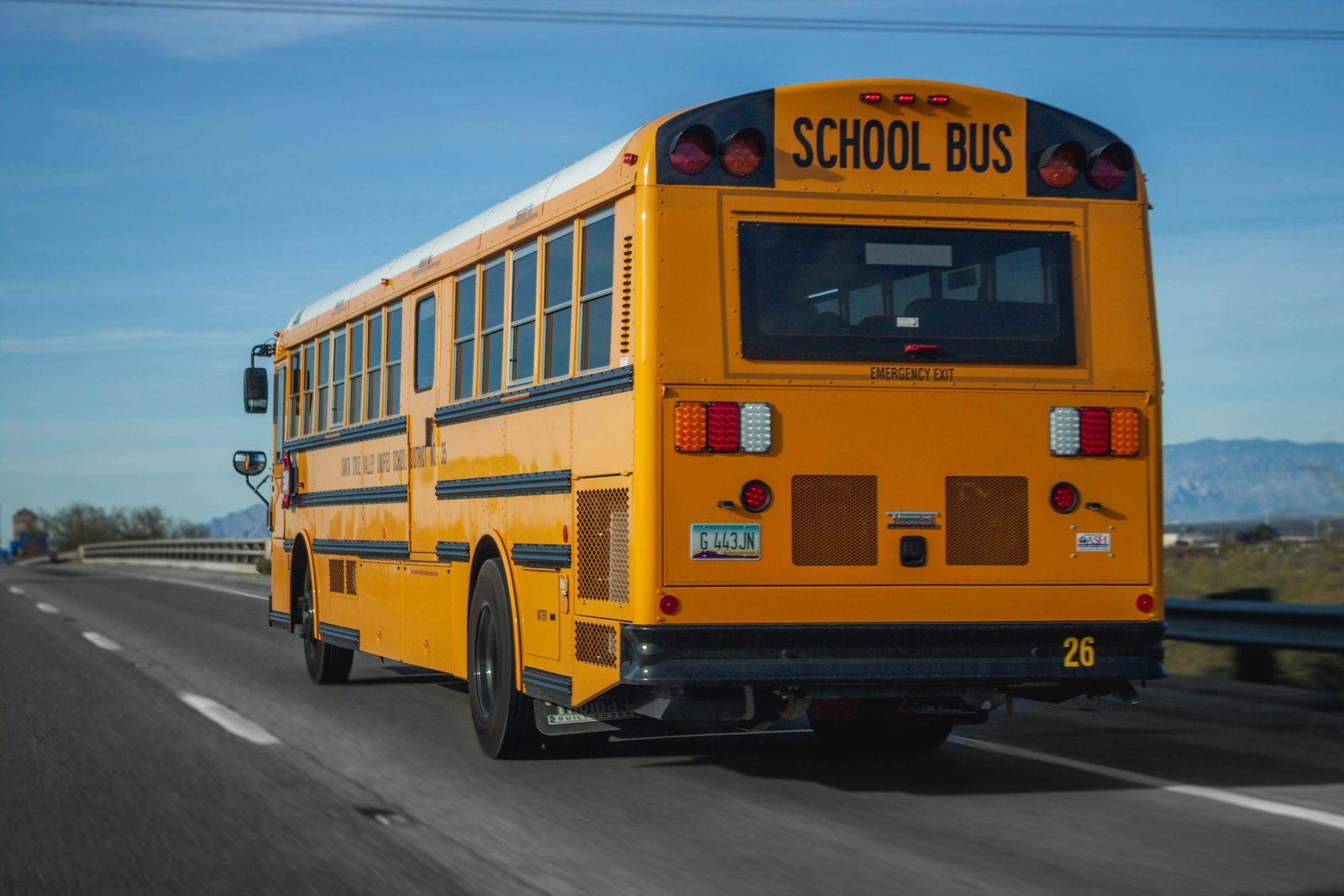
The iconic yellow school bus remains a symbol of American education, but education officials say maintaining reliable transportation has become increasingly challenging.
Several states, including Arizona, Connecticut, Florida, Idaho, New Jersey, New York, Ohio, Oregon and Virginia, have either scaled back student transportation services or proposed reductions this year as districts grapple with mounting financial and staffing pressures.
Education experts warn that reduced transportation options could negatively affect school attendance, particularly for students from families without dependable means of getting to school.
“It’s an especially important thing for families who don’t have reliable forms of transportation or others who they can regularly turn to for help,” said Jeremy Singer, an assistant professor of education at the University of Michigan-Flint.
“If schools reduce their school bus offerings, that means more families driving, which means more money on gas, more traffic and more emissions,” he added.
According to a 2025 report by the Associated Press-NORC Center for Public Affairs Research, conducted with school rideshare company HopSkipDrive, 80 per cent of US school districts reported that bus driver shortages had disrupted transportation services, while 73 per cent cited budget constraints.
Researchers attribute much of the problem to the COVID-19 pandemic, when remote learning reduced the demand for bus drivers, prompting many to seek other jobs. Many never returned when schools reopened.
Data from the Economic Policy Institute shows the number of school bus drivers dropped from more than 223,000 in August 2019 to about 202,000 by August 2025, representing a decline of 9.5 per cent.
Sarah Cordes, an associate professor at Temple University who specialises in education and urban policy, said the job has become less attractive compared to alternatives in the transport sector.
“If you want to drive to make money, it’s a lot easier to drive for Uber or Lyft than it is to drive a school bus,” Cordes said.
“Driving a school bus requires all kinds of training,” and “it’s not an easy job if you are dealing with a vehicle full of children.”
Inflation and higher fuel prices have further strained district budgets. During the 2025–26 school year, more than half of district leaders reported spending more on diesel than initially budgeted, forcing many to divert funds from other educational programmes or rely on reserve funds.
Declining birth rates and growing enrolment in private schools, charter schools and homeschooling have also reduced public school enrolment, leading to lower tax revenues for many districts.
Despite falling student numbers, experts say districts cannot easily reduce bus routes because students remain spread across large geographical areas.
“Theoretically you could reduce routes but then depending on where kids live relative to each other and relative to school, that could mean that you have kids on the bus for an hour, an hour and a half, two hours,” Cordes said.
“If kids are on the bus for more than an hour, that is not good for their attendance.”
To bridge transportation gaps, some districts have begun exploring alternatives such as student-focused rideshare services using smaller vehicles. However, federal safety regulations requiring larger passenger vehicles to meet school bus safety standards have complicated wider adoption.
The issue has become particularly significant in Ohio, where dozens of school districts continue to face severe driver shortages.
A state transportation workgroup reported that more than 22,000 students were classified as “impractical to transport” during the last academic year, allowing districts to compensate families instead of providing transportation.
The group has recommended phasing out the designation and introducing policies that guarantee safe and reliable transport for all eligible students through measures such as centralised pick-up locations and faster bus driver training programmes.
Meanwhile, Columbus City Schools, which transports about 28,000 students daily, is considering reducing transportation services for high school students because of rising costs.
“We continue to be concerned about the state’s lack of full, fair funding to meet the actual costs” of transportation, Michael Brown, the district’s chief of communications and engagement, said.
Cordes noted that school leaders face difficult choices as they balance transportation costs against classroom needs.
“You may be getting more kids to school,” she said, “but that might take away from the district’s ability to spend money on other important things that have to happen in the classroom.”