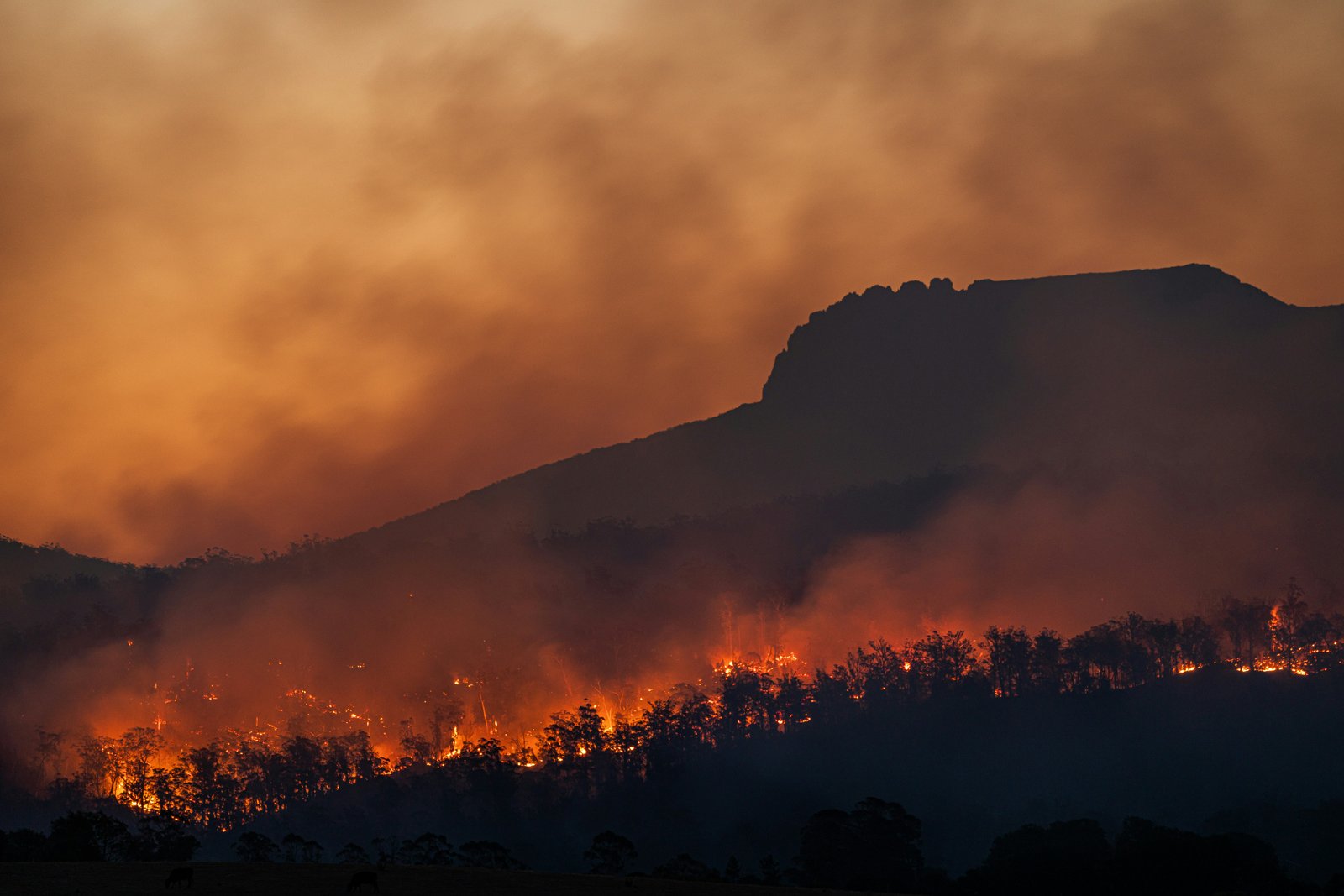

Fast-moving Washington wildfires have destroyed more than 600 structures and forced nearly 60,000 residents to flee their homes across the Spokane area. High winds and extreme heat pushed flames through neighborhoods over the weekend, creating what local officials describe as the worst natural disaster in the region’s history. Firefighters from across the state are working non-stop to protect lives and properties as dry conditions continue to fuel the blazes.
Spokane Complex Fire Forces Mass Evacuations
The three main blazes threatening eastern Washington are collectively known as the Spokane Complex Fire. These blazes, including the Old Trails Fire, Autumn Lane Fire, and Fairview Fire, have already consumed over 8,000 acres with zero percent containment.
Emergency crews have issued mandatory evacuation orders for tens of thousands of people in Spokane County and neighboring Stevens County. Entire neighborhoods were left smoldering in a matter of hours, and power lines were shut off to lower safety risks while firefighters battle the flames.
State and Federal Response to Wildfire Destruction
Because of the massive scale of the damage, officials declared a Washington state emergency to bring in additional resources. Federal deployment began over the weekend, bringing in specialized wildland firefighting teams from California to assist local crews.
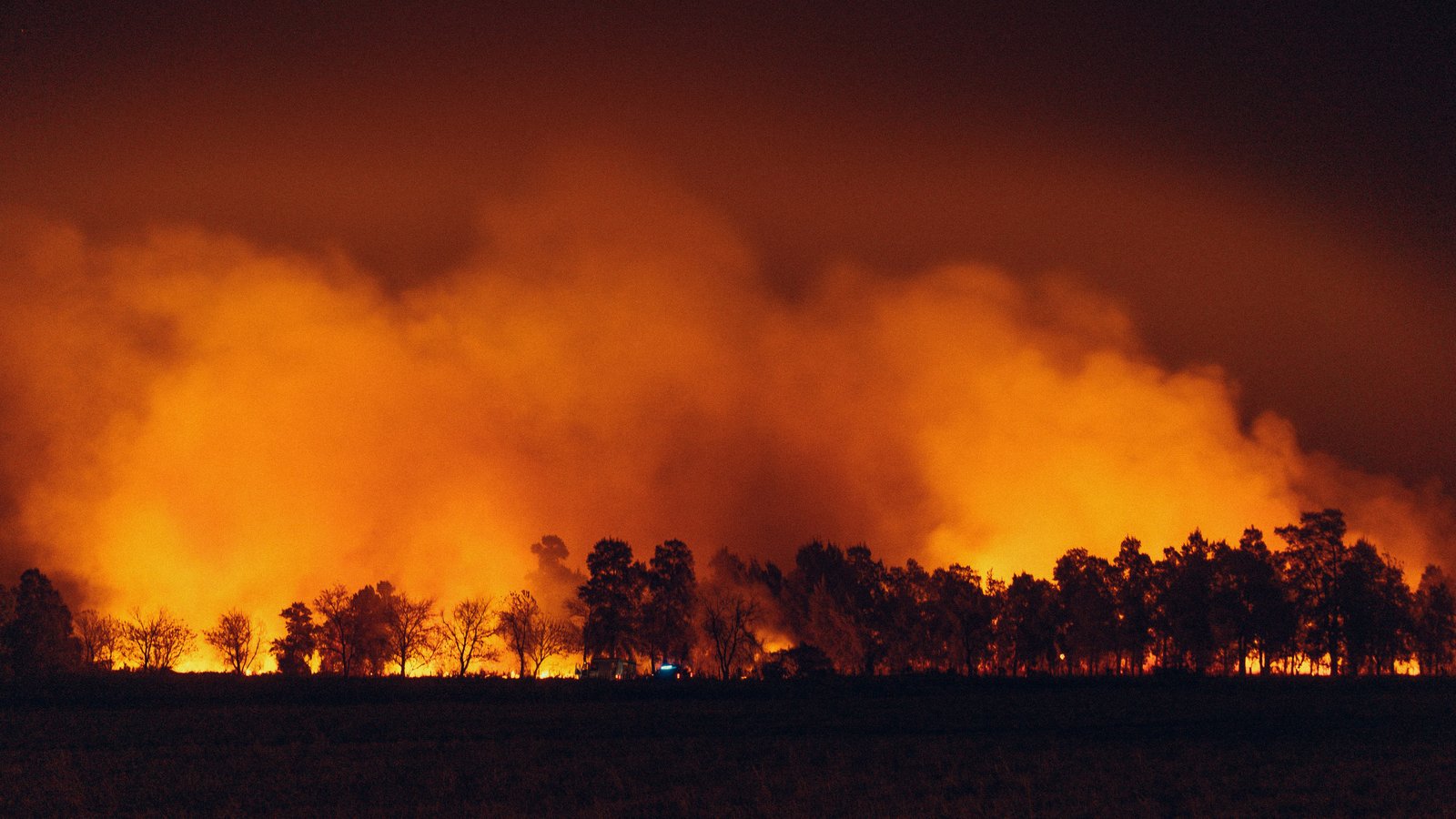
The primary push right now is to save lives and stop flames from reaching critical infrastructure like schools and medical centers. However, thick smoke and heavy winds are making air support difficult, keeping ground teams on high alert as temperatures rise.
My View
It breaks my heart seeing families lose decades of memories in a few hours. But beyond the sadness, this disaster exposes a big problem with how we handle wildland fires in the West.
Every single year, we watch local communities get blindsided by dry seasons and strong wind storms. We wait until entire neighborhoods are burning down before we rush emergency cash, call in federal assistance, and make big promises on TV. That is a reactive mindset, and it fails everyday people.
America needs to start taking preventative maintenance seriously long before the summer heat hits. That means clearing out dead brush around towns, building stronger firebreaks near residential areas, and updating outdated power lines that spark easily during high winds. If they keep treating extreme dry weather as a sudden surprise every year, we will keep seeing the exact same heartbreak.
What Next for Washington Wildfires?
The fight against these Washington wildfires is far from over. With zero containment on key blazes and hot, dry weather lingering in the forecast, thousands of evacuees are left waiting to see if their homes survived. Restoring these communities will take months of hard work, but the immediate goal remains simple: protecting lives until the flames are fully contained.