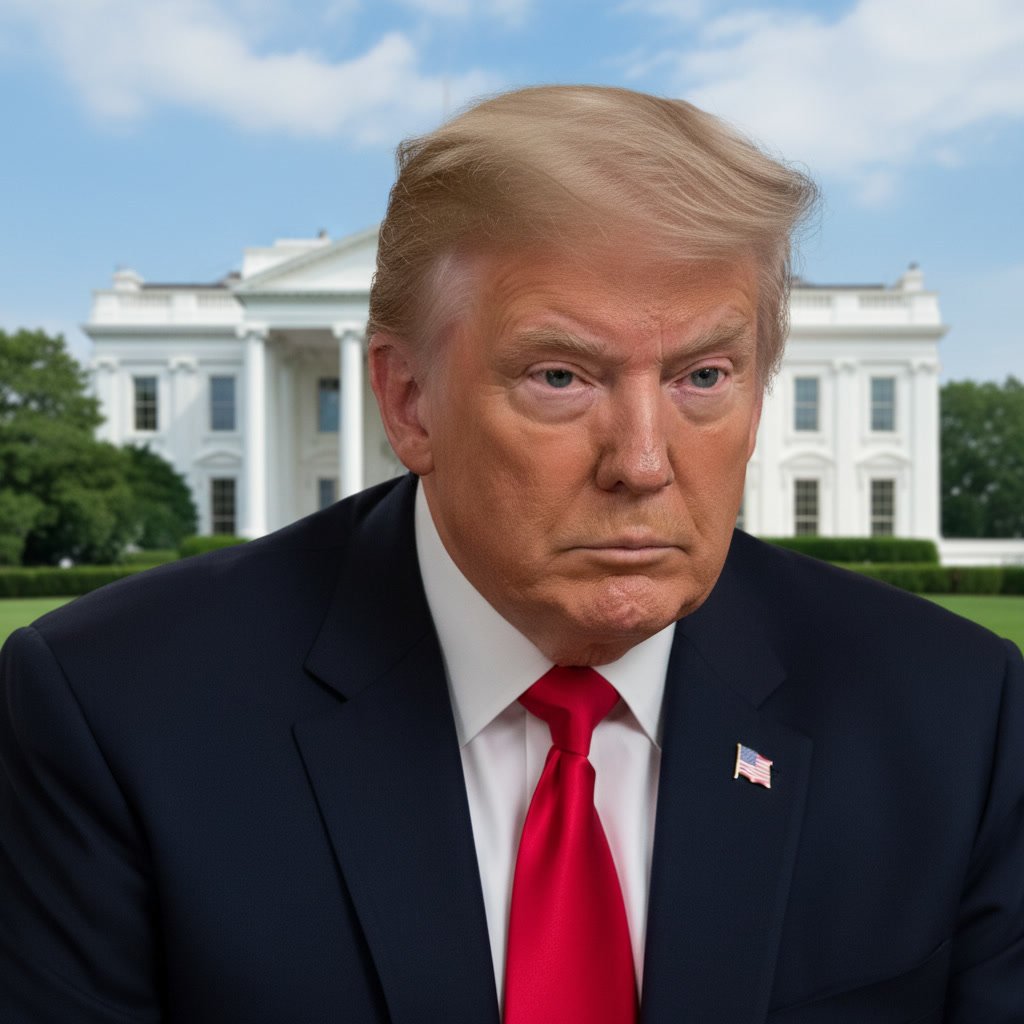

President Donald Trump told supporters at a campaign rally in Mobile, Alabama, that the ongoing conflict with Iran will come to an end right after the upcoming midterms, effectively declaring that. Speaking to a crowd on Friday night, Trump claimed that Iran is “ready to fold up” and suggested that the seven-month-old war would draw to a swift close if voters return his party to power. He argued that American military strikes have already severely damaged Iranian infrastructure, leaving Tehran with little leverage to negotiate, while promising that domestic energy and gas prices will drop sharply once the conflict wraps up.
High-Level Meetings at Camp David
Trump’s public statements follow hours of national security meetings at Camp David, where top administration officials gathered on Friday to map out the next phase of the war. Attendees included Vice President JD Vance, Secretary of State Marco Rubio, Defense Secretary Pete Hegseth, CIA Director John Ratcliffe, and Chairman of the Joint Chiefs of Staff Dan Caine. The discussions focused on both the direct campaign against Tehran and the widening violence in Yemen, where Iran-backed Houthi forces have launched new offensives along the Red Sea coast and targeted Saudi oil facilities, prompting heavy retaliatory coalition airstrikes on Sanaa.

Maritime Disruptions, Energy Crises, and Diplomatic Pushback
As the conflict stretches past its seventh month, maritime security in the Persian Gulf remains severely compromised. At least five commercial oil tankers have been hit by unknown projectiles in or near the Strait of Hormuz over the past week alone, sparking small fires and temporarily cutting power aboard passing vessels. To combat soaring global fuel costs caused by the shipping disruptions, G7 leaders agreed on Friday to immediately release 100 million barrels of crude and diesel from emergency reserves. Meanwhile, Iranian leadership dismissed Trump’s claims regarding a swift military resolution, with Supreme National Security Council secretary Mohsen Rezaei mocking the president’s timeline on social media and insisting that Iran’s military forces will shape the outcome on the ground.
My View
Connecting the timeline of a major foreign war directly to a domestic election creates a troubling precedent for national security policy.
When a president suggests that the end of an armed conflict depends on voters backing a specific political party, it blurs the line between vital defense strategy and political campaigning. Military operations, diplomatic negotiations, and foreign policy decisions ought to be driven by national interest and real-world conditions on the ground not by midterm voting schedules.
Furthermore, claiming that an adversary is on the brink of collapse while the war spreads across the Middle East risks giving the public an oversimplified picture of a complex crisis. With energy markets disrupted, maritime trade routes under attack, and military forces suffering casualties across multiple fronts, achieving a lasting peace will require steady, realistic diplomacy rather than campaign promises