The United States has announced a $1bn (£740m) security package for Colombia following the inauguration of new President Abelardo de la Espriella, signalling a major shift in the South American country’s relationship with Washington.
De la Espriella, a right-wing politician and ally of US President Donald Trump, was sworn in on Friday after defeating his opponents in June’s presidential election. His victory ended the tenure of left-wing President Gustavo Petro, whose administration frequently disagreed with Trump.
The US State Department said the financial assistance would support the new administration in pursuing shared security objectives, including combating organised crime and tackling illegal immigration.
De la Espriella used his inaugural address to declare an “all-out war” against what he described as “narco-terrorism”, promising to take a tougher approach towards armed groups and criminal organisations.
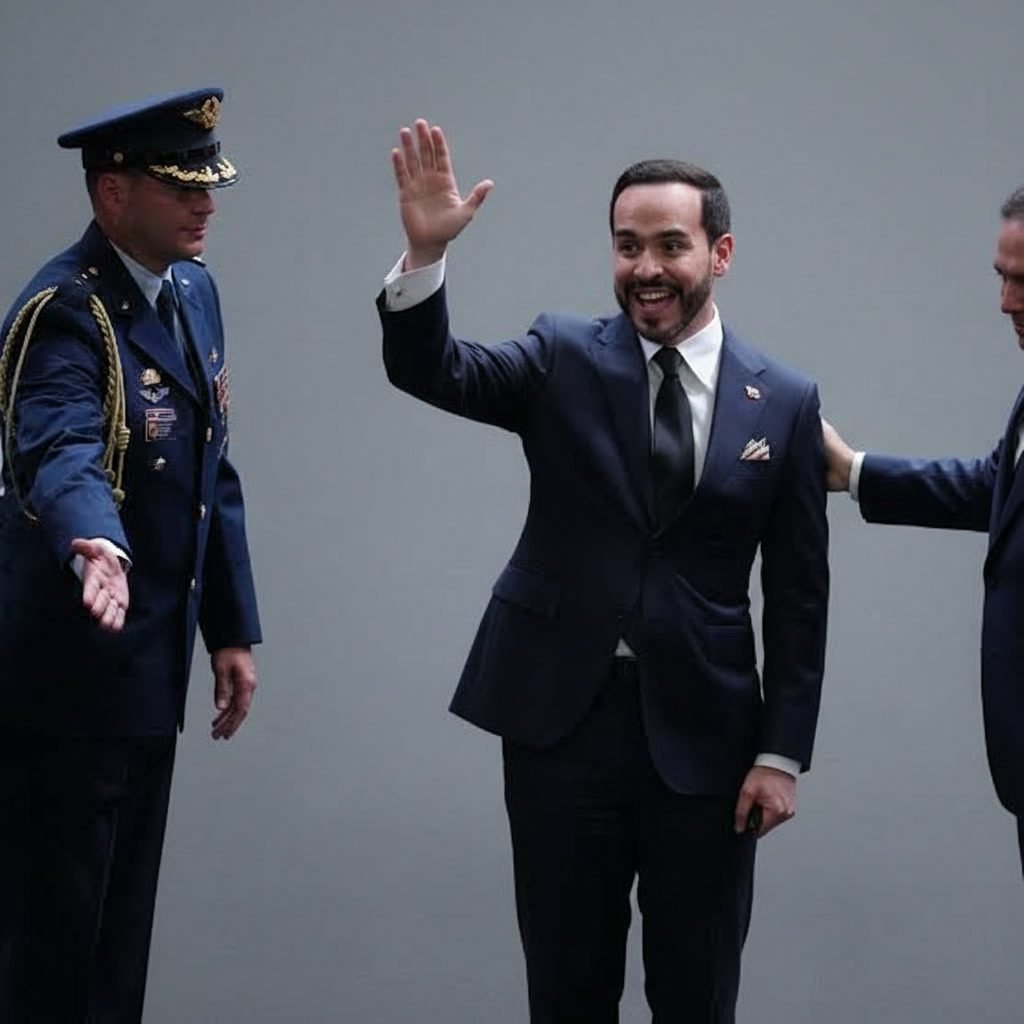
He delivered the speech in Cali, rather than the capital, Bogotá, in a move intended to demonstrate his determination to confront armed groups operating in the region.
Addressing troops at a nearby military base, the new president pledged to rebuild Colombia and protect democracy “by reason or by force”.
“There will not be a single place in our territory where criminals can feel safe,” he said.
De la Espriella, who has adopted the nickname “Tiger”, has promised to abandon Petro’s policy of negotiating with armed groups in favour of a military offensive against them. He has also proposed building large prisons to house criminals.
The new administration has pledged to strengthen Colombia’s military relationship with the US and Israel, representing another significant departure from Petro’s foreign policy.
One of de la Espriella’s first decisions as president was to announce that Colombia would join the “Shield of the Americas”, a security initiative established by Trump.
Washington welcomed the move, saying it “stands ready to support the de la Espriella administration’s efforts to defeat the vicious narco-terrorist and criminal organisations” threatening security.
The State Department also said the two countries would work more closely on border security to curb illegal immigration.
It described de la Espriella’s economic programme as “pro-growth” and said it could create opportunities to expand trade and strengthen economic ties between the two nations.
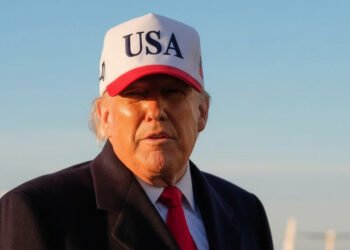
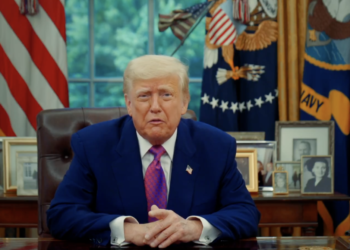
Trump had openly backed de la Espriella during the election campaign and predicted that his victory would result in a “much better relationship” between Washington and Bogotá.
The new Colombian president is a political outsider with no previous experience in public office. He became a US citizen in 2023 after spending several years living and working in Miami.
Before entering politics, he worked as a lawyer and represented drug-trafficking paramilitaries, a background that has drawn attention given his current pledge to aggressively combat criminal organisations.
His dramatic campaign style, including military-style salutes and appearances in the Colombian national football jersey, helped distinguish him from traditional politicians but also attracted criticism from opponents who accused him of deepening political divisions.
Petro, Colombia’s first left-wing president in modern history, had pursued a “total peace” strategy aimed at negotiating with guerrilla groups, armed factions and criminal organisations involved in the country’s long-running conflict.
De la Espriella has pledged to scrap that approach and instead rely on military force.
His position on Israel also differs sharply from that of Petro, who severed diplomatic ties with the Israeli government over its war in Gaza and strongly supported the Palestinian cause. De la Espriella, meanwhile, has described Israel as a key ally.