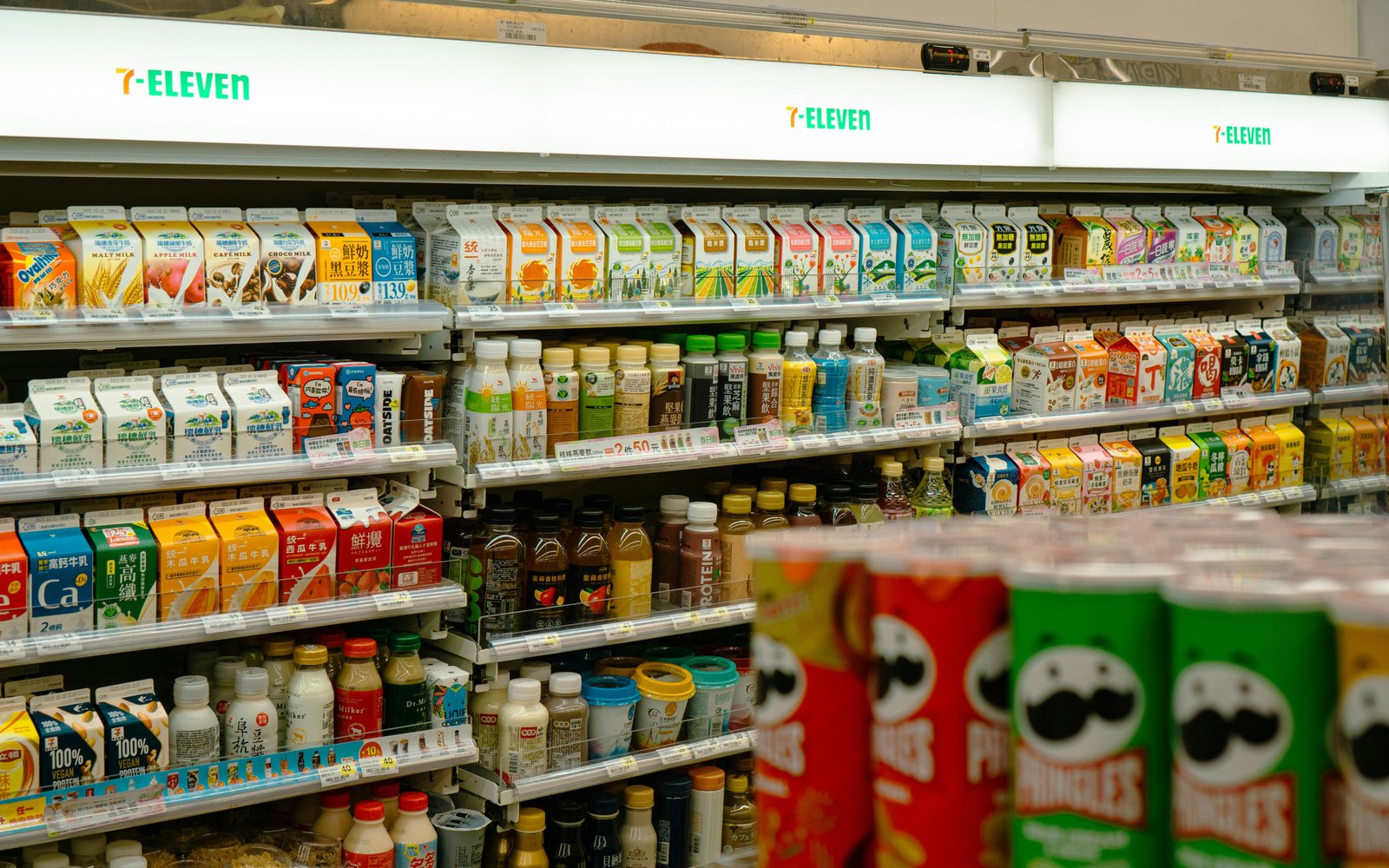

American consumers are becoming more cautious about everyday purchases, from fuel to snacks, forcing convenience-store chain 7-Eleven to reconsider its pricing, products and supply-chain operations.
The pressure is reflected in small shopping decisions. A Las Vegas-area customer recently shared on Reddit that a discount through the 7-Eleven app reduced the price of petrol from $4.19 to $3.73 per gallon, explaining that the aim was to help others cope with rising fuel costs.
Another shopper said they abandoned a convenience-store purchase after discovering that a small bag of gummy sweets cost more than $4, choosing to buy elsewhere instead.
While these decisions may appear insignificant individually, they can have a substantial effect on retailers when millions of customers begin cutting back on non-essential spending.
7-Eleven is now confronting that challenge as its North American chief executive, Mauricio Leyva, acknowledges that households have less money available for discretionary purchases.
“Sentiment right now is that disposable income is being hit across the board,” Leyva, who assumed leadership of 7-Eleven Inc.’s North American operations in August, told Reuters on October 9.
Persistent inflation and rising fuel expenses are affecting consumers while also increasing costs across the company’s supply chain.
Rising profits contrast with sluggish merchandise sales
The company’s latest financial results reveal a gap between improving profitability and the limited growth in merchandise sales at existing US stores.
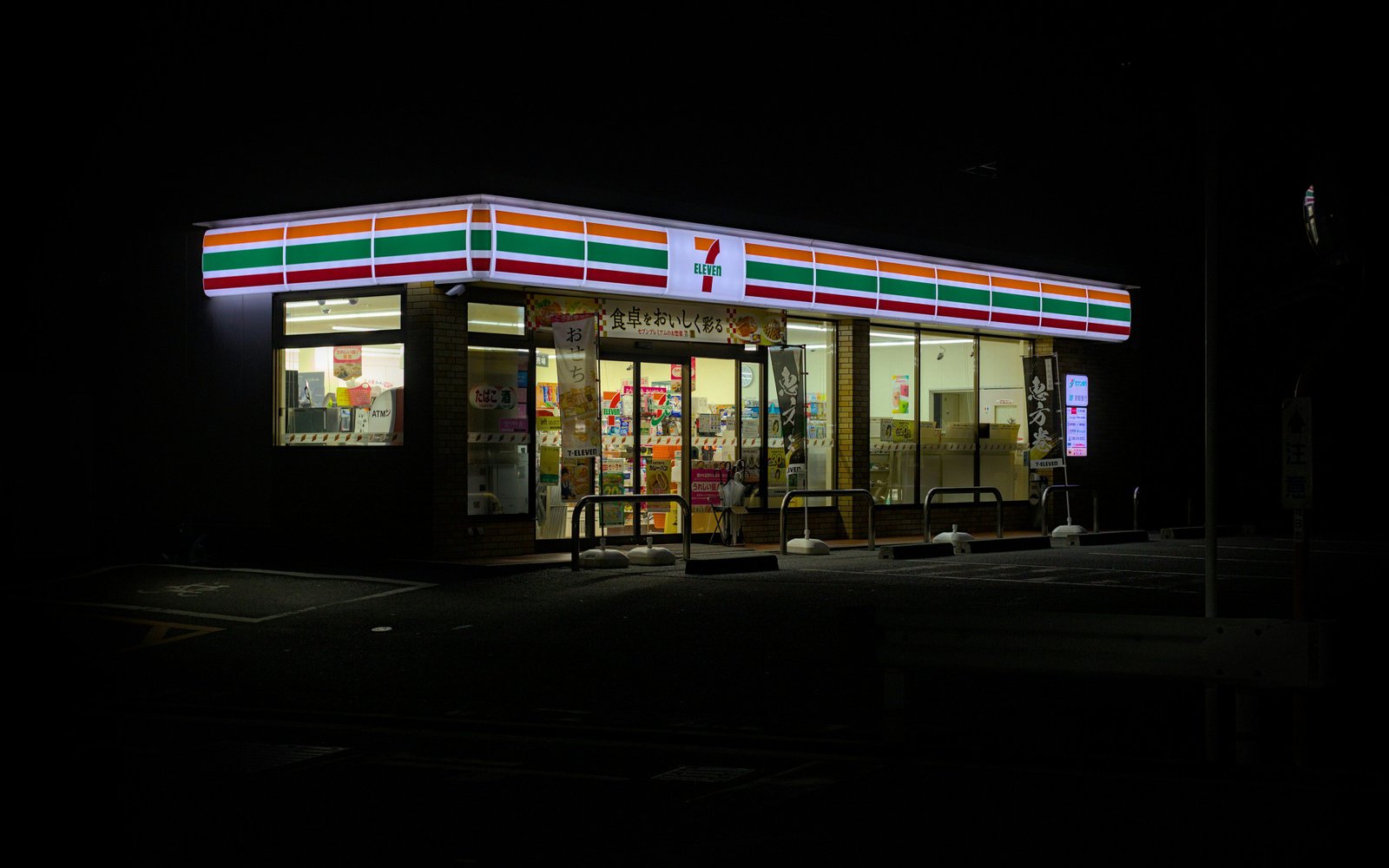
For the six months ending August 31, 7-Eleven Inc. recorded revenue of $28.8bn, representing a 9.8 per cent increase. Operating income also rose sharply by 45.8 per cent to $1.32bn, according to Investing.
However, same-store merchandise sales in the US grew by only 0.6 per cent during the first half of the period.
The figures became more concerning in the second quarter, when merchandise sales declined by 0.1 per cent, compared with growth of 1.4 per cent in the first quarter.
The results suggest that the company is generating stronger earnings without a corresponding increase in merchandise spending at comparable locations.
Fuel operations have contributed significantly to the improvement in profits. According to Reuters, 7-Eleven’s parent company, Seven & i Holdings, attributed $414m of operating-income growth during the first half to favourable fuel-market conditions and stronger vertical integration.
The company also recorded an improvement in merchandise profitability. Its gross margin on merchandise increased by 0.3 percentage points to 33.5 per cent.
This means the retailer retained approximately 33.5 cents from every dollar of merchandise sales after accounting for the direct cost of the products sold, before other operating expenses.
Although the figures indicate improved financial performance, they also highlight the difficulty of encouraging customers to spend more inside stores.
Leyva’s proposed response includes offering products at better prices and reviewing the company’s sourcing and distribution arrangements.
Inflation changes how Americans shop
The challenges facing 7-Eleven reflect wider pressures on household budgets and changing attitudes towards everyday purchases.
The inflation figures cited in the report show that the US Consumer Price Index rose by 3.4 per cent year over year in August. Several categories particularly relevant to convenience-store customers recorded higher increases.
Energy prices climbed by 16.3 per cent, while petrol prices rose by 27.4 per cent. Food-away-from-home prices increased by 3.4 per cent, and non-alcoholic beverages became 3.7 per cent more expensive.
Petrol alone accounted for more than one-third of the monthly increase in the Consumer Price Index in August.
For customers visiting a convenience store to refuel, higher petrol expenses can leave less money for additional purchases such as sandwiches, coffee and snacks.
As a result, shoppers may continue buying essential items while reducing spending on products they consider optional.
Industry figures also point to a difference between higher sales revenue and customer activity. The latest full-year data from the National Association of Convenience Stores showed that US convenience-store in-store sales reached a record $341.2bn in 2025, even as transaction numbers fell by approximately 1.6 per cent.
The figures suggest that increased sales value did not necessarily translate into more customer visits.
Other retailers have acknowledged similar pressures. Alimentation Couche-Tard chief executive Alex Miller, whose company owns Circle K, recently said consumers remained under “pressure from inflation and tighter household budgets,” adding that shopping trips had become more consolidated and expectations around value had increased, according to BNN Bloomberg.
Despite these pressures, Couche-Tard recorded its fifth consecutive quarter of positive US same-store merchandise sales growth in its latest quarter.
The experience suggests that consumers have not entirely abandoned convenience-store purchases but are paying closer attention to prices and deciding more carefully what to buy.
For 7-Eleven, expanding private-label offerings and fresh food products, alongside possible changes to sourcing and distribution, forms part of its effort to persuade customers to spend beyond fuel purchases.
IPO delay adds pressure to turnaround plans
7-Eleven’s efforts to strengthen its North American business are also taking place as its parent company prepares for a potential initial public offering.
Seven & i Holdings had initially planned to list the North American business in the second half of 2026. However, Reuters reported that the company postponed the plan until the fiscal year beginning in April 2027 or later amid market conditions and uncertainty surrounding consumer spending.
The delay creates separate responsibilities for the company’s leadership.
Leyva must improve the performance of the operating business by addressing merchandise sales, pricing and store economics. Meanwhile, Seven & i chief executive Steve Dacus must determine when conditions in the capital markets are suitable for the proposed listing.
Dacus recently described the IPO environment as “all AI all the time,” according to Investing, highlighting the competition consumer-focused businesses face for investors’ attention.
With the listing pushed back, 7-Eleven’s ability to demonstrate sustained progress in its North American operations remains an important part of its plans.
Although the company’s profits have increased, the slowdown in merchandise sales indicates that attracting customers and encouraging additional spending remain significant challenges as Americans adjust to higher everyday costs.