The Tuesday primaries test Trump and his endorsement record on the Republican side, while simultaneously measuring the growing influence of progressive Democrats against establishment favorites. With contests unfolding in states like Wisconsin, Minnesota, and South Carolina, voters are actively shaping the direction of their parties ahead of the November midterm elections.
Fights in Key Battleground States
The division between establishment figures and progressive candidates is front and center in Midwestern Democratic contests
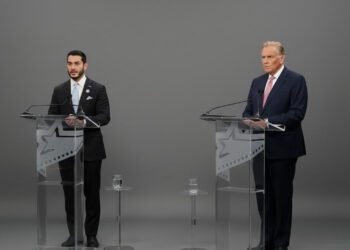
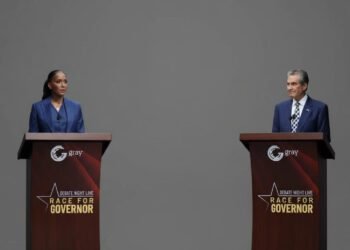
Democratic Socialist state Representative Francesca Hong is locked in a tight race against Milwaukee County Executive David Crowley, who holds the endorsement of outgoing Governor Tony Evers. Progressive Lieutenant Governor Peggy Flanagan is facing off against moderate Representative Angie Craig for the nomination to replace retiring Senator Tina Smith. Republicans are choosing a nominee to replace the late Senator Lindsey Graham, where Donald Trump’s endorsement of Darline Graham is facing a test against established primary rivals.
Why the Tuesday Primaries Test Trump and Party Coalitions
The momentum surrounding progressive political figures has built up significant steam coming off recent primary victories in neighboring states. As progressive organizers push for bold policy changes, party leaders are watching closely to see if voters favor left-leaning nominees or stick with moderate, institutional candidates built for general election survival.
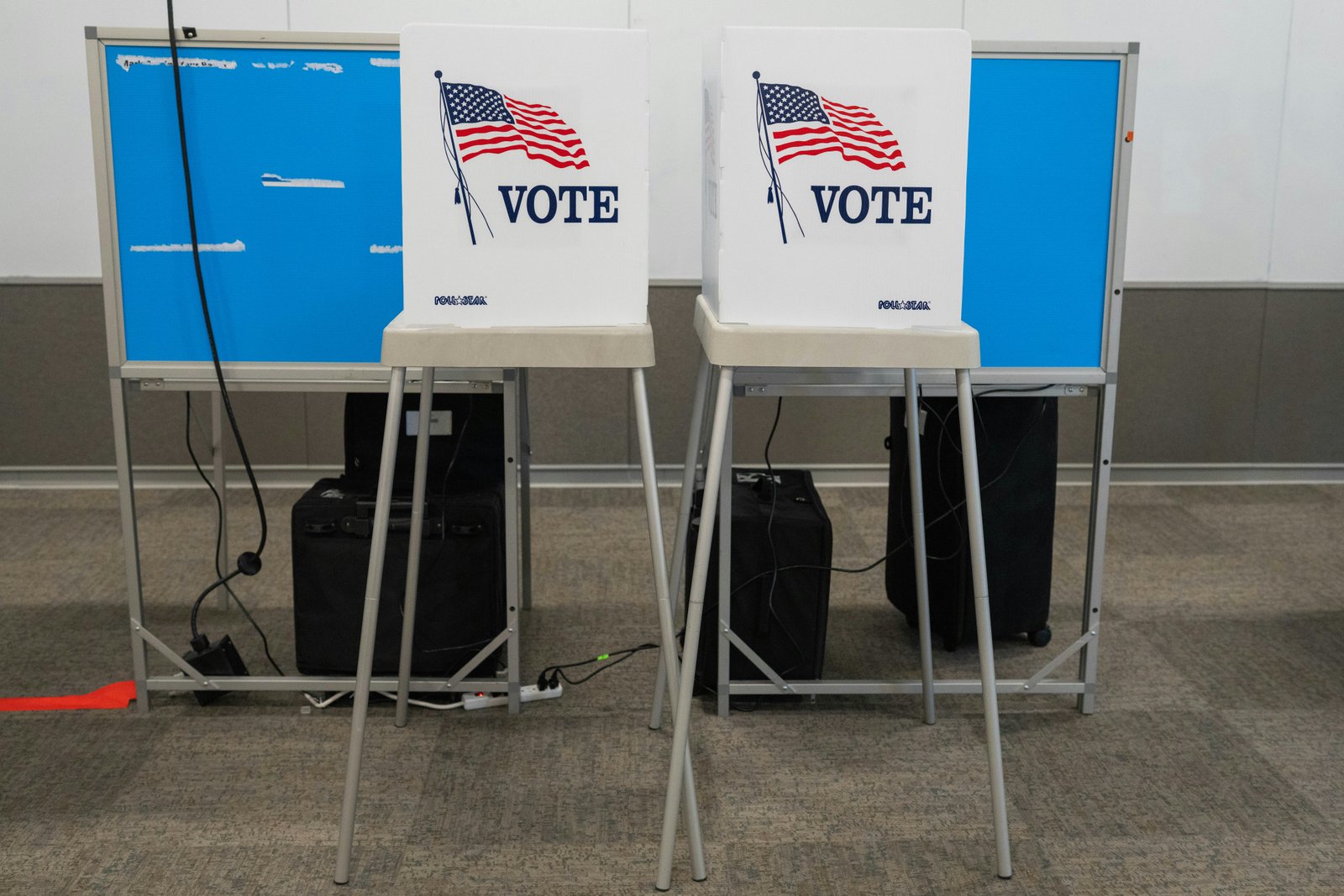
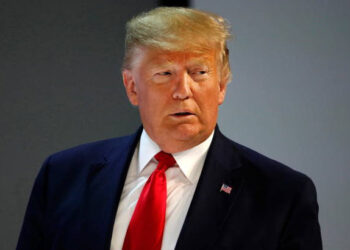
On the Republican side, the results offer a direct measurement of President Donald Trump’s sway over primary voters. His endorsements in primary races continue to serve as a benchmark for candidates seeking to solidify conservative support.
My Opinion
These primary races highlight a fundamental truth about modern politics: both the Democratic and Republican parties are going through deep internal transformations. Voters on both ends of the political spectrum are signaling that they are tired of standard corporate talking points and status quo governance.
For Democrats, the tension between progressive firebrands and moderate pragmatists is not necessarily a weakness; it reflects a base actively debating how best to address rising living costs and social issues. However, trying to enforce strict ideological purity can make general election matchups much harder in split battleground states.
For Republicans, relying strictly on presidential endorsements creates a narrow path forward. Endorsements can certainly carry a candidate through a primary, but winning statewide requires appealing to everyday independent voters who care most about local results, practical leadership, and economic stability. Ultimately, primary nights like this serve as a necessary reality check for politicians in both camps.
Bottom Line
The Tuesday primaries will dictate political strategies heading straight into the fall general election. Whether voters back progressive insurgents or establishment regulars, tonight’s results will set the tone for control of Congress and state houses across the nation.