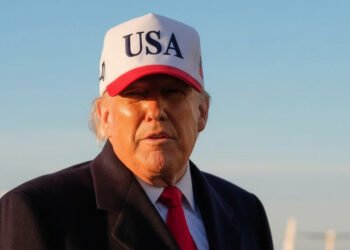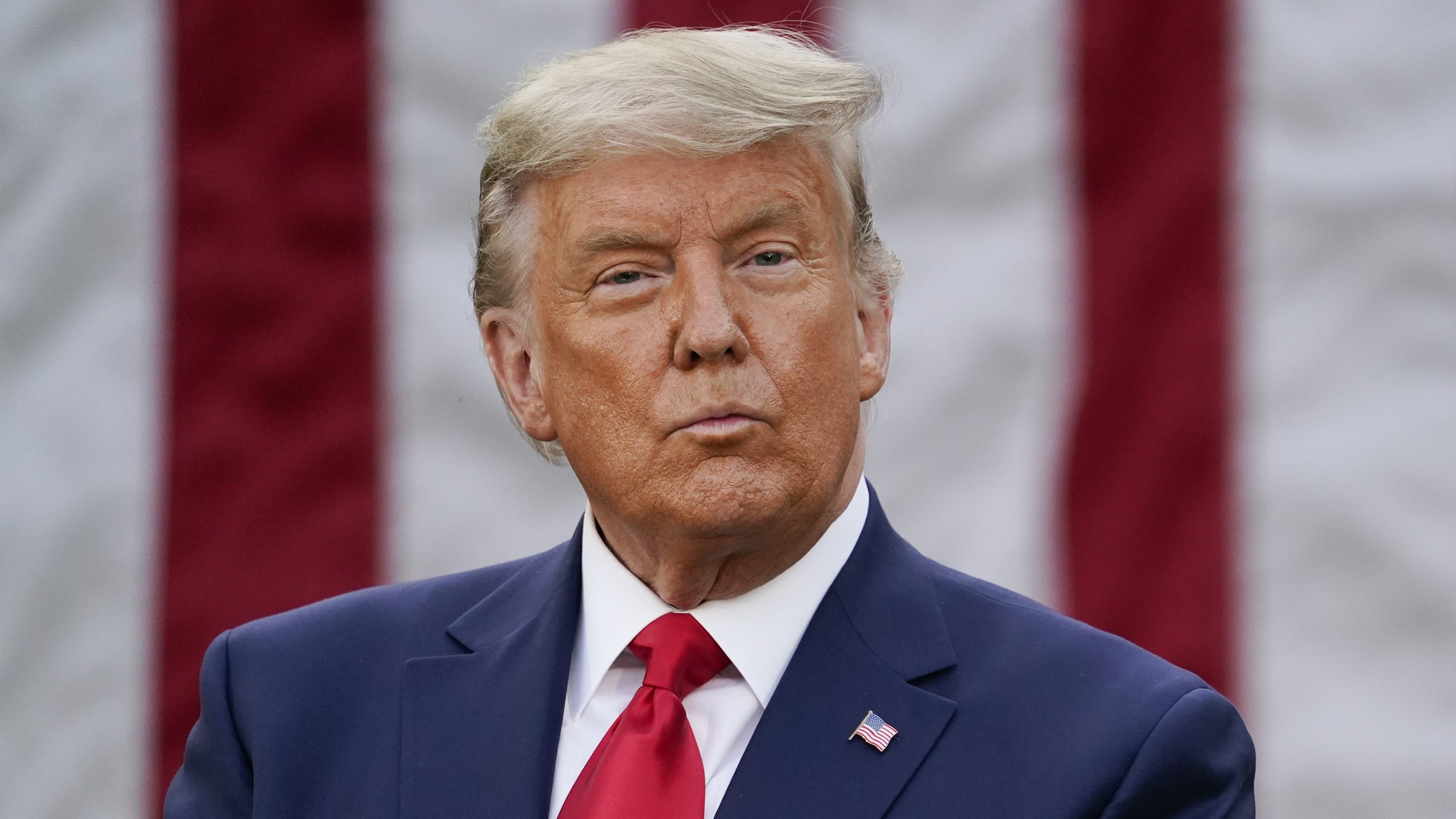

Amid surging global fuel prices weeks before crucial midterm elections, a political and diplomatic shift occurred when Trump claimed a Russia-Ukraine energy ceasefire deal had been successfully established to stop targeted attacks on fuel and power infrastructure.
President Donald Trump announced the development on Truth Social, declaring an immediate end to energy infrastructure strikes between both nations. The announcement follows a controversial U.S. decision to lift select sanctions on Russian diesel imports to acquire 300,000 tons of diesel for the global marketplace, addressing supply deficits caused by combined disruptions from the Eastern European war and Middle Eastern regional conflicts.
Diplomatic Reactions, Kyiv’s Response, and Sanction Relief
The executive announcement brought immediate reactions from international leaders and Ukrainian officials. Ukrainian President Volodymyr Zelensky confirmed in media interviews that while his administration supports any genuine steps toward de-escalation and protecting civilian lives, Kyiv was not informed prior to the public declaration and remains awaiting official technical details from U.S. Zelensky noted that while Ukraine supports stopping reciprocal attacks on energy grids and refineries, recent U.S. agreements to purchase Russian fuel effectively grant economic relief to Moscow amid ongoing aggression.

The policy shift coincides with an October 18 statutory deadline requiring the White House to determine whether to enforce strict legislative sanctions under the Lindsey O. Graham Sanctioning Russia Act or grant national security waivers. U.S. Treasury Department officials confirmed the decision to permit limited Russian diesel shipments to stabilize international fuel supplies, where monthly Russian export volumes had fallen significantly from historic levels of 2.5 million metric tons down to roughly 1 million metric tons.
Domestic Political Stakes and Midterm Energy Pressures
The sudden administrative focus on securing an energy truce shows how rising fuel expenditures continue to drive voter sentiment ahead of the November 3 midterm elections. With domestic diesel and gasoline prices reaching multi-year highs, administrative strategists are prioritizing commodity price stabilization. Congressional lawmakers remain divided over the strategy, with some supporters arguing that increasing global fuel supply is vital for national economic security, while foreign policy experts warn that easing trade restrictions undermines international pressure on foreign adversaries.
As international allies, including leaders from Canada, Finland, and NATO, evaluate the announcement, market analysts note that a sustained pause in infrastructure attacks could ease pressure on refined product markets.
My View
The announcement of an energy ceasefire paired with Russian sanctions relief demonstrates how domestic economic pressures can rapidly reshape foreign policy priorities.
When rising diesel prices and energy shortages threaten national economic stability during an election season, governments often seek immediate supply relief. However, lifting sanctions on Russian fuel in exchange for informal ceasefire pledges creates a complex precedent. Relying on short-term trade waivers to lower pump prices risks weakening long-standing geopolitical leverage and giving economic relief to foreign adversaries without securing long-term peace agreements.
Sustainable energy security cannot rely on hasty diplomatic declarations or temporary trade waivers. True economic and national security requires building resilient domestic supply chains, strengthening alliances with reliable trading partners, and maintaining firm, consistent foreign policy principles that do not shift with every fluctuation in global fuel prices.