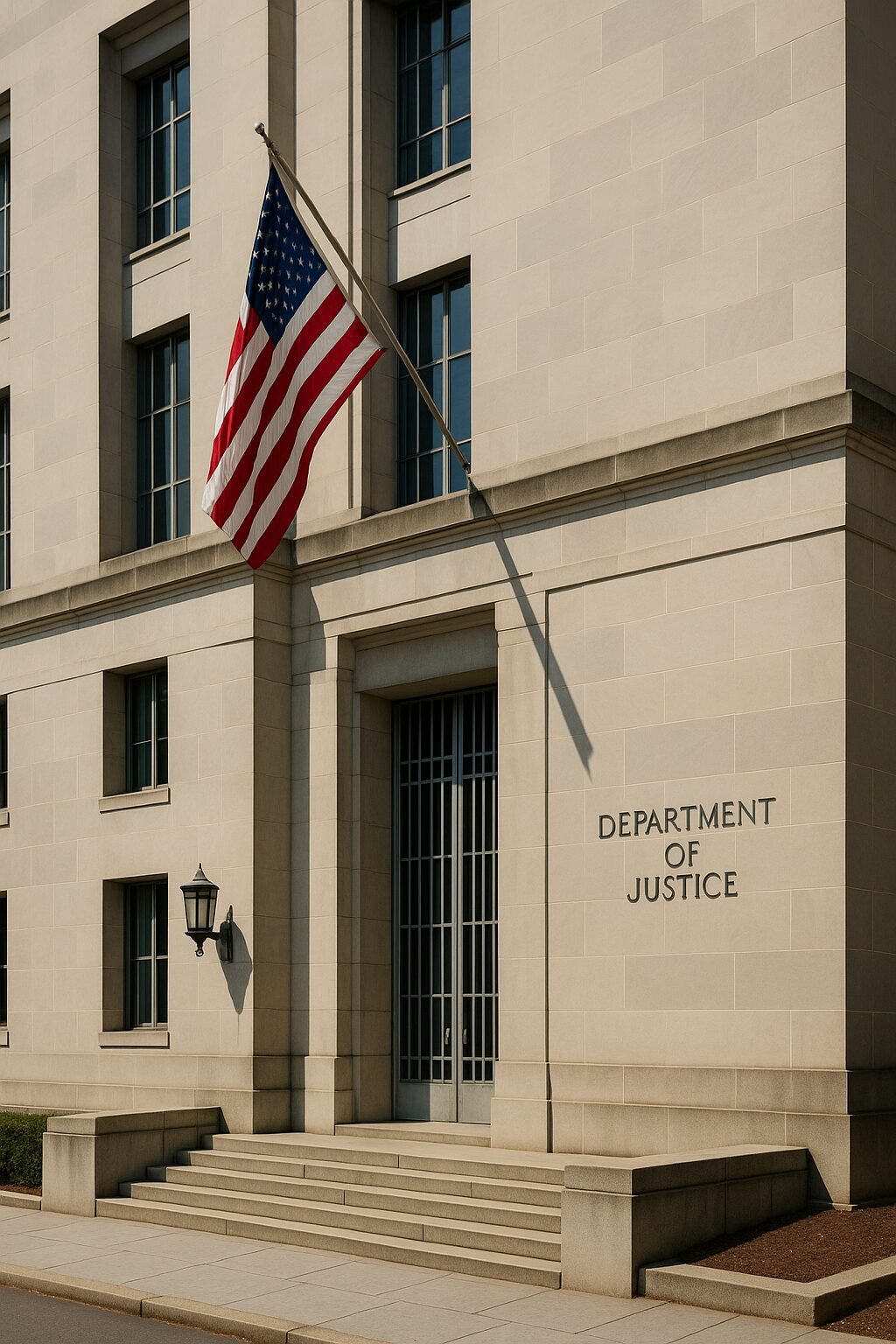
The U.S. Department of Justice has launched new legal actions targeting undocumented student tuition lawsuits by suing Connecticut, New York, and Vermont over state policies that offer lower college costs to non-citizen residents.
Federal prosecutors claim these state-level rules break federal law by giving discounted rates and financial aid to undocumented immigrants while out-of-state American citizens pay higher prices. Officials insist that states must treat citizens fairly before providing special benefits to people living in the country without legal status.
Why the DOJ Tuition Lawsuits Are Expanding Nationwide
The latest court filings mark a major push by federal prosecutors, bringing the total number of states targeted by these undocumented student tuition lawsuits to 17.
Justice Department officials argue that giving lower rates to non-citizens breaks federal civil rights rules:
1. Strict Federal Rules: Federal attorneys point to long-standing rules that stop states from offering public college benefits to non-citizens unless every American citizen gets the same offer.
2. Second Circuit Sweep: Prosecutors have now taken legal action against every state in the Second Circuit regional court system that continues to offer these tuition discounts.
3. Mixed Results in Court: Legal battles are playing out across the country. States like Texas, Oklahoma, and Nebraska backed down and ended their programs, while states like Minnesota won early court rounds before facing new federal appeals.
My Opinion
When states let local students pay lower rates at public colleges, they are making a smart long-term bet on their own communities. Stripping away those benefits doesn’t solve federal border problems; it just shuts the door on young people who grew up in local schools and want to build a better life.
Public higher education works best when it builds a strong local workforce. Most young people who get in-state discounts lived in the state for years, went to public high schools, and passed the same tests as their classmates. Blocking them from going to college hurts local employers who need trained workers, nurses, and tech talent.
Forcing states to treat local graduates like complete outsiders wastes real human potential. The federal government should focus on fixing broken immigration laws instead of picking fights with state colleges that are simply trying to educate the young people living in their cities.
Bottom Line
The national wave of undocumented student tuition lawsuits will shape how public colleges handle admissions and state funding for years to come. As judges hear arguments from state leaders and federal lawyers, the outcome will decide whether local communities keep the right to invest in all of their high school graduates.