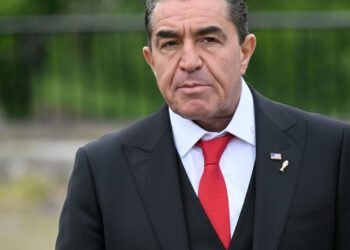
The Justice Department has formally broadened its legal protection policies, establishing a DOJ executive privilege shield that extends to non-government consultants assisting the White House. Under a newly issued opinion from the Office of Legal Counsel, private advisors who regularly counsel the president on policy matters can now claim immunity from congressional oversight. While administration officials argue this move simply clarifies existing legal principles, critics view it as an unprecedented effort to block impending legislative investigations.
Why the DOJ Executive Privilege Shield Matters
This updated interpretation significantly alters how presidential communications are protected from public and legislative scrutiny. Administration officials defend the decision as a necessary step to safeguard frank policy discussions, while legal scholars and congressional opponents raise sharp concerns about transparency.
The policy extends protection to informal, unpaid advisors as long as their conversations involve shaping official policies or executive decisions. The legal opinion gives the administration a stronger defense to resist subpoenas and oversight requests from House committees. The Office of Legal Counsel maintains that the protection is not absolute and applies strictly to discussions tied directly to presidential duties.
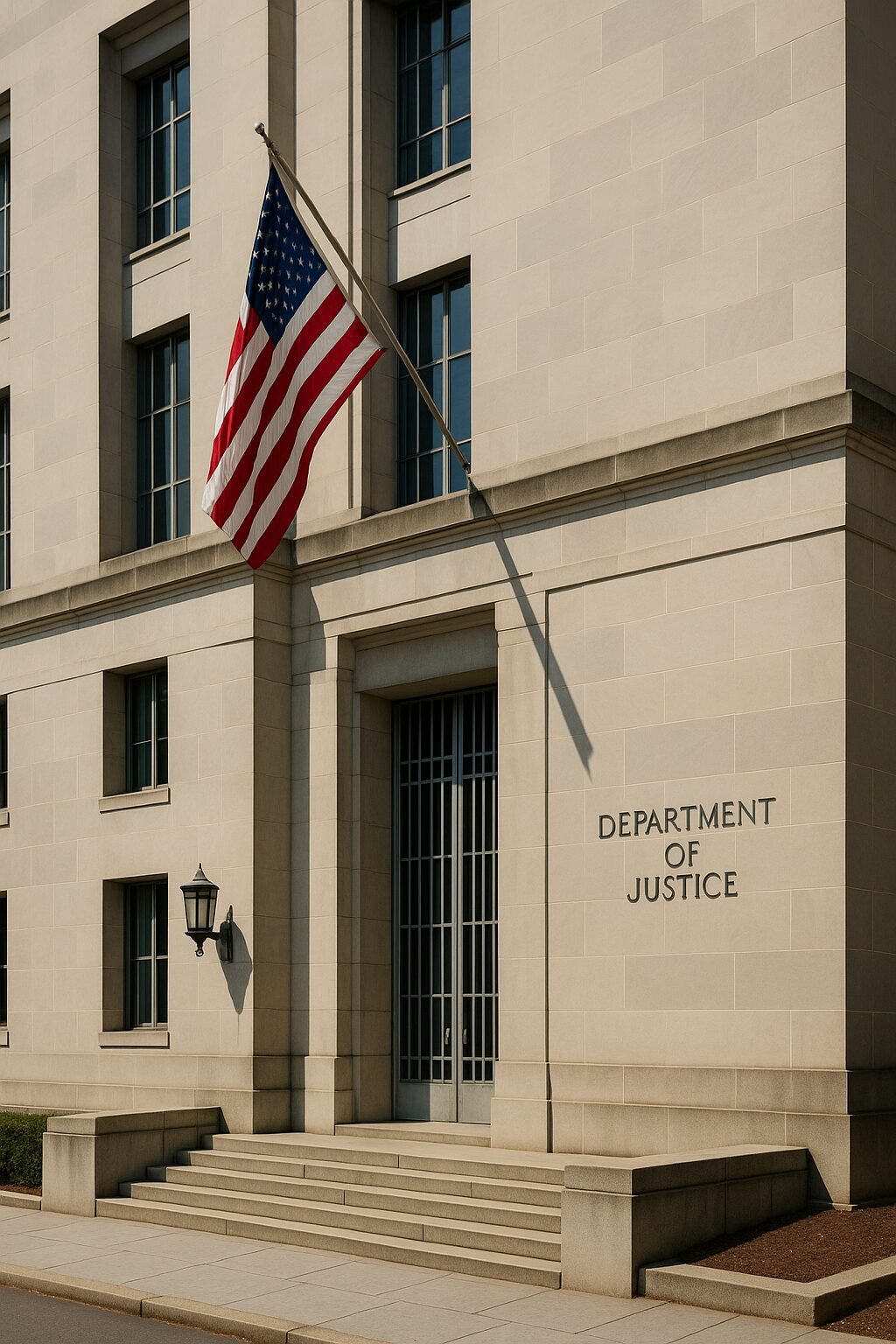
This ruling follows earlier White House efforts to narrow the reach of federal record-keeping laws and the Presidential Records Act.
My Opinion
Allowing private, unelected individuals to influence executive decisions behind a wall of secrecy sets a troubling legal standard. Government transparency exists for a reason: the public deserves to know who holds influence over major decisions, especially when those advisors sit outside the official chain of command. Expanding executive protections to cover informal consultants makes it far too easy to hide potential conflicts of interest from public view.
When individuals without official government appointments, financial disclosures, or Senate confirmation shape national policy, they should not get to hide behind legal shields meant strictly for official public servants. Using broad legal interpretations to block congressional oversight weakens the essential checks and balances that hold the executive branch accountable. If an outside advisor gives honest, legitimate advice, that advice should easily withstand public and legislative review.
Protecting confidential advice is a reasonable goal for any administration, but stretching those rules to shield informal networks creates an environment of secrecy. True public trust requires open accountability, not new legal barriers designed to keep voters and lawmakers in the dark.
Bottom Line
The decision to broaden the DOJ executive privilege shield sets up a major legal battle over oversight and executive power. As lawmakers prepare to challenge these protections, federal courts will likely have to determine where presidential privilege ends and congressional authority begins. How this issue plays out will shape White House transparency standards for years to come.