Mali’s military-led government is strengthening its relationship with Russia as its ties with Western countries continue to weaken following the withdrawal of French forces and the collapse of previous security partnerships.
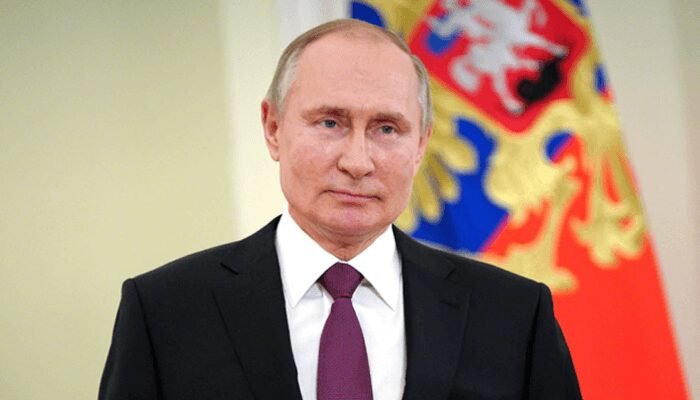
The latest development followed a telephone conversation on August 19 between Mali’s interim President Assimi Goïta and Russian President Vladimir Putin, initiated by the Malian leader.
According to the Kremlin, Goïta thanked Russia for its support in helping Mali improve its security situation and combat international terrorism, particularly attacks carried out by armed extremist groups.
The Russian presidency said both leaders agreed to maintain coordination on efforts aimed at promoting stability in Mali and the wider Sahara-Sahel region.
They also reviewed key areas of bilateral relations and agreed to strengthen political engagement and contacts between officials at different levels.
Beyond security, Putin and Goïta reportedly agreed to expand cooperation in trade, economic affairs and humanitarian activities.
Mali’s growing alignment with Moscow comes after a major deterioration in its relationship with Western powers following the military takeover.
France withdrew its troops from Mali in 2022 after relations with the military authorities broke down. The departure brought an end to France’s nearly 10-year military campaign against Islamist militants in the country.
Relations with the wider West African regional bloc also deteriorated.
Mali, Burkina Faso and Niger formally left the Economic Community of West African States (ECOWAS) in January 2025 after prolonged disputes over military rule and pressure from the bloc for a return to civilian government.
The three military-led states have since strengthened cooperation through the Alliance of Sahel States, which they established as an alternative regional framework.
At the same time, Mali has increasingly turned to Moscow for security assistance. Russia’s Africa Corps has become an important part of that partnership following the departure of Wagner forces from the country.
The relationship has provided Moscow with a stronger foothold in the strategically significant Sahel region while giving Bamako another security partner amid its worsening relations with France and other Western governments.
However, the Russian partnership has not eliminated Mali’s security challenges.
The country continues to face attacks from jihadist organisations, particularly Jama’at Nusrat al-Islam wal-Muslimin (JNIM), an al-Qaeda-linked group, despite ongoing military operations and the presence of Russian personnel.
Russia’s Africa Corps has also faced accusations of human rights abuses.
Human Rights Watch reported in July that an airstrike carried out by Russian Africa Corps personnel in central Mali killed eight civilians, including three children. The organisation described the incident as apparently unlawful and indiscriminate.
The latest conversation between Putin and Goïta does not necessarily signal a new Russian military deployment to Mali. Instead, it reinforces the strategic relationship that has developed between Bamako and Moscow in recent years.
The decision to place trade, economic and humanitarian cooperation alongside security on the bilateral agenda also suggests that Mali and Russia are seeking to broaden their partnership beyond military assistance.