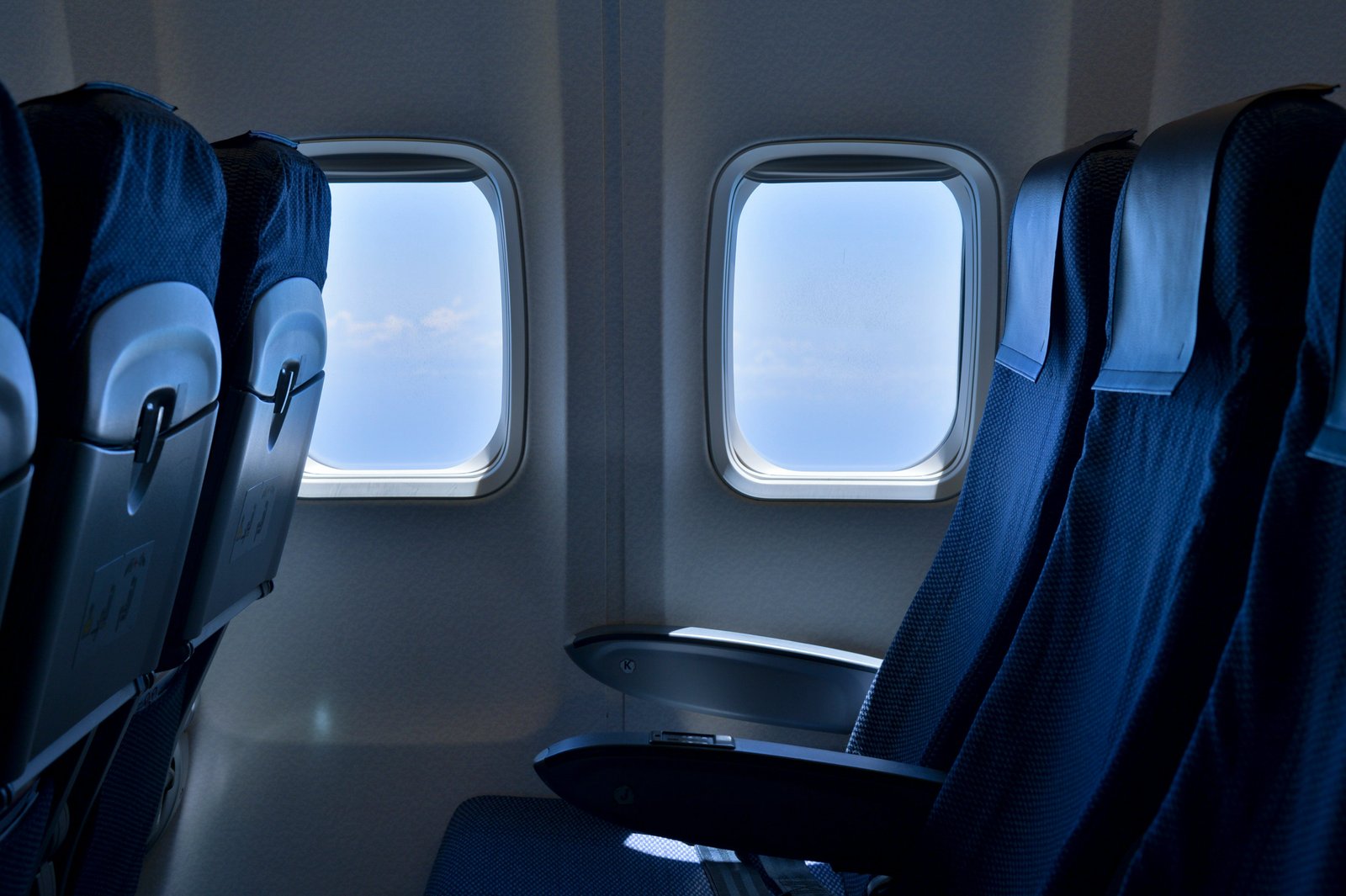

First-class passengers on US flights are set to face shorter pre-departure beverage service as the Federal Aviation Administration (FAA) moves to enforce a long-standing safety rule requiring airlines to collect and secure carrier-provided cups, drinks and other service items before an aircraft begins moving.
The change, expected to take effect on September 1, will require flight attendants to complete pre-flight beverage service earlier and retrieve all airline-provided service items before pushback.
Aviation insider JonNYC reported that the requirement would cover both disposable and reusable items supplied by airlines. As a result, passengers in first class may have less time to enjoy complimentary drinks before the aircraft leaves the gate.
The rule stems from 14 CFR 121.577, which has been in place since 1992. The regulation prohibits an aircraft from moving on the ground while airline-provided food, beverages, or tableware remain unsecured at passengers’ seats.
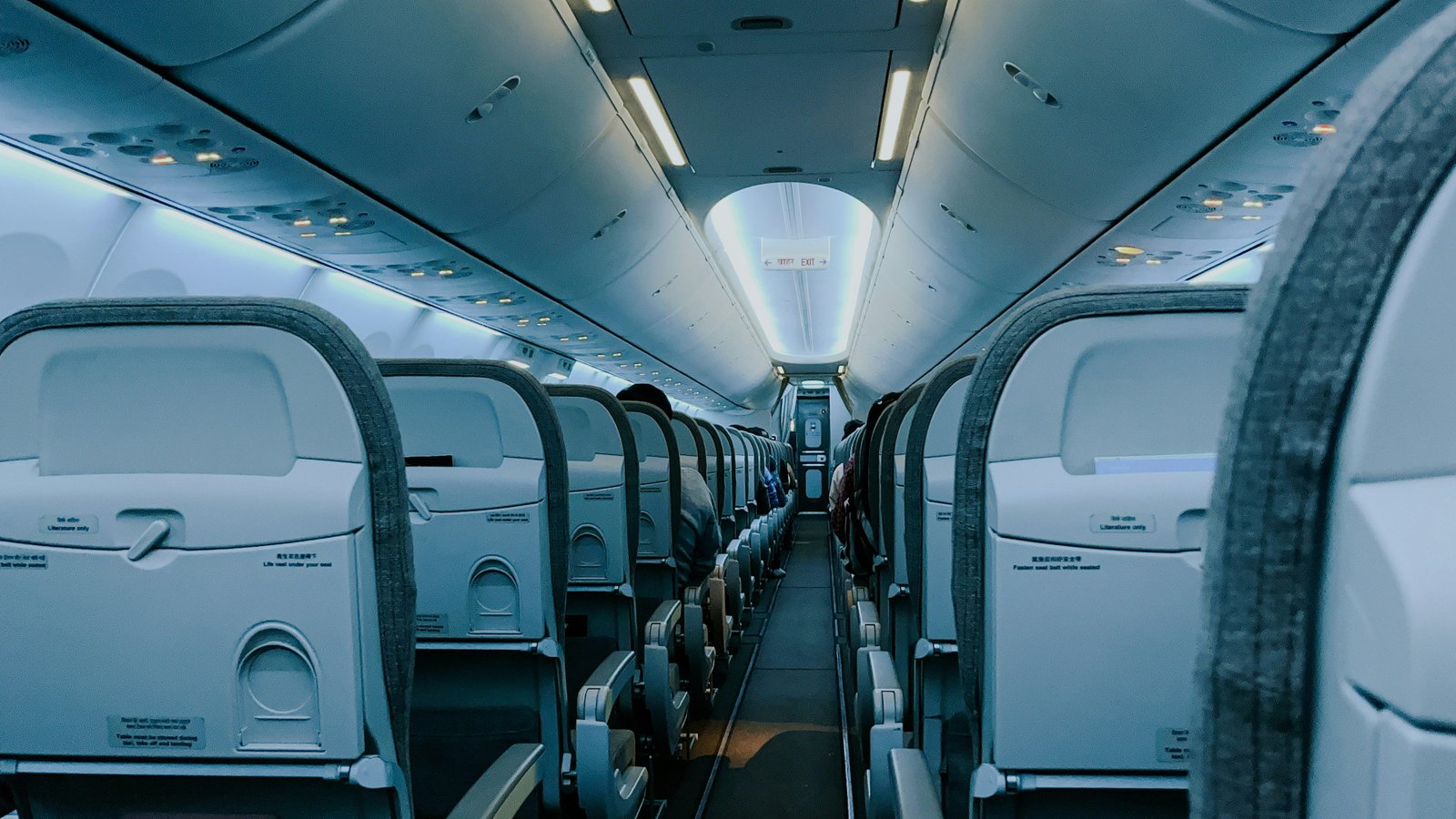
The requirement is based on safety concerns, as loose cups, trays and other service items could become obstacles during an emergency evacuation or interfere with movement inside the cabin.
Under the new enforcement approach, airlines offering pre-departure drinks will have to begin the service earlier and ensure that cups and other items are collected and stowed before pushback.
The rule applies specifically to items provided by the airline. Passengers who bring their own drinks onboard may still retain them, although such beverages are technically considered personal baggage and should be properly stowed when required.
Delta Air Lines is reportedly among the carriers already preparing for the change, with flight attendants being instructed to begin pre-departure beverage service earlier.
The move is expected to affect major US airlines and could change the experience for first-class passengers who have traditionally received drinks while the aircraft is still at the gate.
Although the regulation has existed for more than three decades, its stricter enforcement now means airlines will have to ensure that all carrier-provided food, drinks and tableware are secured before the aircraft starts moving.
The development has also prompted discussions about whether shorter pre-flight service could affect the perceived benefits of paying for a first-class ticket.