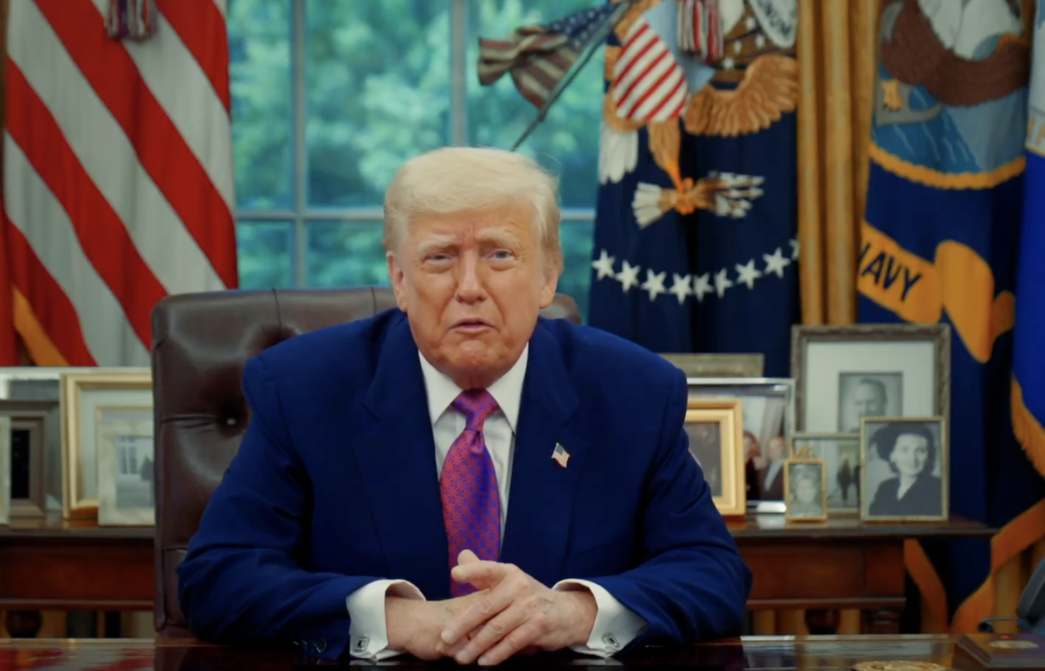

President Donald Trump signed an executive order in the Oval Office to rename Lake Ontario as “Lake America,” escalating political and trade tensions with Canada. The decision updates official records for federal agencies inside the United States. Trump stated that the move is effective immediately, arguing that the deepest parts of the water lie within U.S. territory. The bold decision highlights growing friction between the neighboring nations over international trade deals and border policies.
Why the Lake Ontario Name Change Is Happening Now
The Lake Ontario name change is directly connected to a widening trade war between the United States and Canada. Trump claims Canada has treated American businesses unfairly for years, using this executive order as a political power move. This is not the first time the president has ordered geographical updates; he previously signed an order renaming the Gulf of Mexico to the “Gulf of America”.

Canadian Reaction to the Executive Order
Canadian officials have dismissed the Lake Ontario name change as a purely symbolic gesture that carries no weight across the border. Legal experts and maritime authorities note that neither country single-handedly owns the naming rights to shared bodies of water. Officials in Ontario affirmed that Canadians will continue to call it Lake Ontario, emphasizing that domestic orders in Washington cannot rewrite geography for the rest of the world.
My Opinion
Renaming shared natural landmarks might make for big news headlines, but it does very little to solve actual economic problems. A name change on a map does not fix trade disputes, lower tariffs, or protect working families on either side of the border.
This move is clearly designed to send a political message rather than make practical policy. Canada and the United States share one of the most connected supply chains in the world. Pointless arguments over the name of a lake only distract from real diplomatic efforts to fix trade issues, protect jobs, and keep goods moving smoothly.
International geographical names are built on mutual respect and global agreement, not unilateral executive actions. Unless international mapping bodies and neighboring governments agree to the change, local maps inside America will just create confusion for navigation, shipping, and global trade.