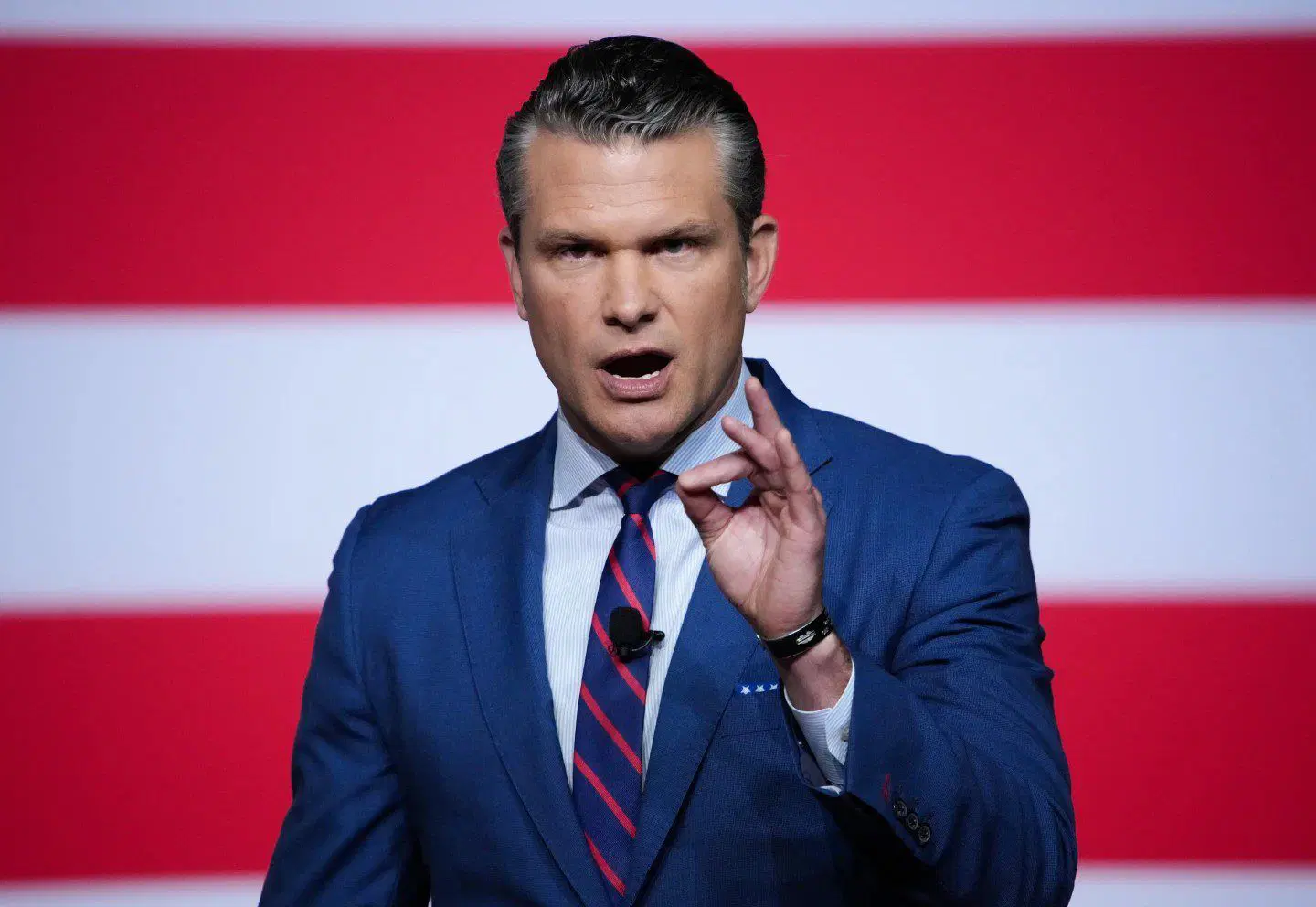
Defense Secretary Pete Hegseth has stepped in to stop four Army officer promotions to the rank of brigadier general. The move targets military leaders who worked closely with senior generals that the administration fired earlier this year. Sources say some of the blocked officers had strong working relationships with former Army Chief of Staff Gen. Randy George and former commander of U.S. Army Europe and Africa Gen. Chris Donahue. Both generals were ousted by the defense chief during a wider turnover in leadership.
Growing Friction Over Army Officer Promotions and Leadership
Tension has been building inside the Pentagon over how Army officer promotions are managed. Defense Secretary Pete Hegseth maintains that advancement must be strictly merit-based, with his spokesperson confirming that performance remains the only standard. However, former military leaders argue that stepping over recommendations from selection boards disrupts established order and discipline. This decision follows an earlier clash where Hegseth removed four names from a separate promotion list, which caused friction with Army Secretary Dan Driscoll and other top officials.
Impact on Military Leadership Structure
The ongoing dispute around Army officer promotions comes at a time when the service lacks a Senate-confirmed chief of staff. Gen. Christopher LaNeve currently fills the role in an acting capacity, but his confirmation faces hurdles in Congress. With key generals forced out and high-performing leaders held back, the Army faces ongoing uncertainty at the very top of its command structure.
My Opinion on the Matter
This situation points to a deep and troubling divide within defense leadership. When political appointees directly overturn peer-review selection boards to block Army officer promotions, it risks changing how the military functions at a fundamental level. Officers who dedicate decades to serving the country expect advancement to be based on leadership, combat readiness, and merit, not on which general they served under in a previous assignment.
By pulling qualified officers off promotion tracks simply because of their ties to ousted leaders, the Pentagon runs the risk of creating a culture driven by fear and political loyalty rather than objective excellence. Senior leaders may hesitate to offer honest strategic advice if they worry it will end their careers down the line. To keep the armed forces strong, respected, and focused on national defense, military promotions must stay grounded in professional performance rather than internal Pentagon politics.