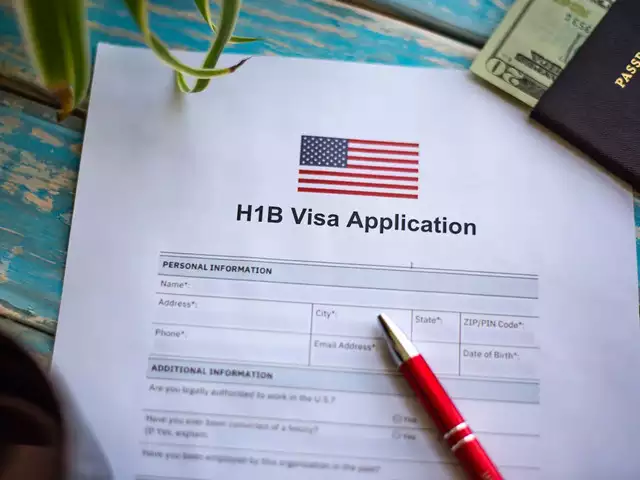
The Trump administration is planning a rule to end employment authorization for spouses of H-1B workers, according to a notice added to the Department of Homeland Security’s long-term regulatory agenda.
The proposed rule would reverse a 2015 policy that extended work permits to H-4 visa holders — the spouses of H-1B workers. These visa holders are typically highly educated professionals themselves and can only seek work permits when their spouses complete the initial steps toward permanent status.
A notice of the proposed rulemaking was added to the regulatory agenda, though it did not identify a target date for its release.
A Pattern of Restrictions
The planned rule is the latest in a series of Trump administration measures restricting H-1B employment. In the last week, DHS:
- Proposed a new $103,265 fee for new hires through the program
- Cleared a proposal to eliminate the discretionary 60-day grace period for workers to find new sponsorship after a job loss.
The Legal History
A long-running legal battle over the lawfulness of H-4 spouses’ employment authorization ended last year when the US Supreme Court declined to hear a challenge from opponents of the program. The US Court of Appeals for the DC Circuit previously found that Congress had granted authority to the executive branch to extend work authorization.
Business Concerns
Business groups have argued that removing work eligibility for spouses of H-1B workers would harm recruitment and retention of key foreign talent. Many highly skilled workers choose to come to the US in part because their spouses can also work, and eliminating that option could make the US less attractive to global talent.
The Bottom Line
The Trump administration is planning a rule to end work authorization for H-4 visa holders — the spouses of H-1B workers. The move would reverse a 2015 policy and is the latest in a series of restrictions on H-1B employment. Business groups have warned that the change would harm recruitment and retention of foreign talent. The Supreme Court previously declined to hear a challenge to the current policy.