
Governments around the world are launching new campaigns urging the public to prepare for emergencies — from cyber-attacks to natural disasters. The United States is taking a different approach: focusing on military preparation rather than the general population.
The UK’s latest “Be Ready” campaign urges the public to stock up on supplies to last 72 hours. Sweden published updated guidance for its population in case of “crisis or war.” Japan’s disaster management minister said the country would issue an emergency appeal to citizens, echoing the UK’s advice that households should have supplies for at least three days.
“The state of the world has worsened drastically in recent years. War is being waged in our vicinity,” writes the Swedish Civil Defense and Resilience Agency. “Extreme weather events are becoming increasingly common.”
The FORTRESS America Initiative
On September 30, Defense Secretary Pete Hegseth released a memorandum establishing “FORTRESS America,” an initiative to prepare US military bases to keep operating for at least 90 days without outside support.
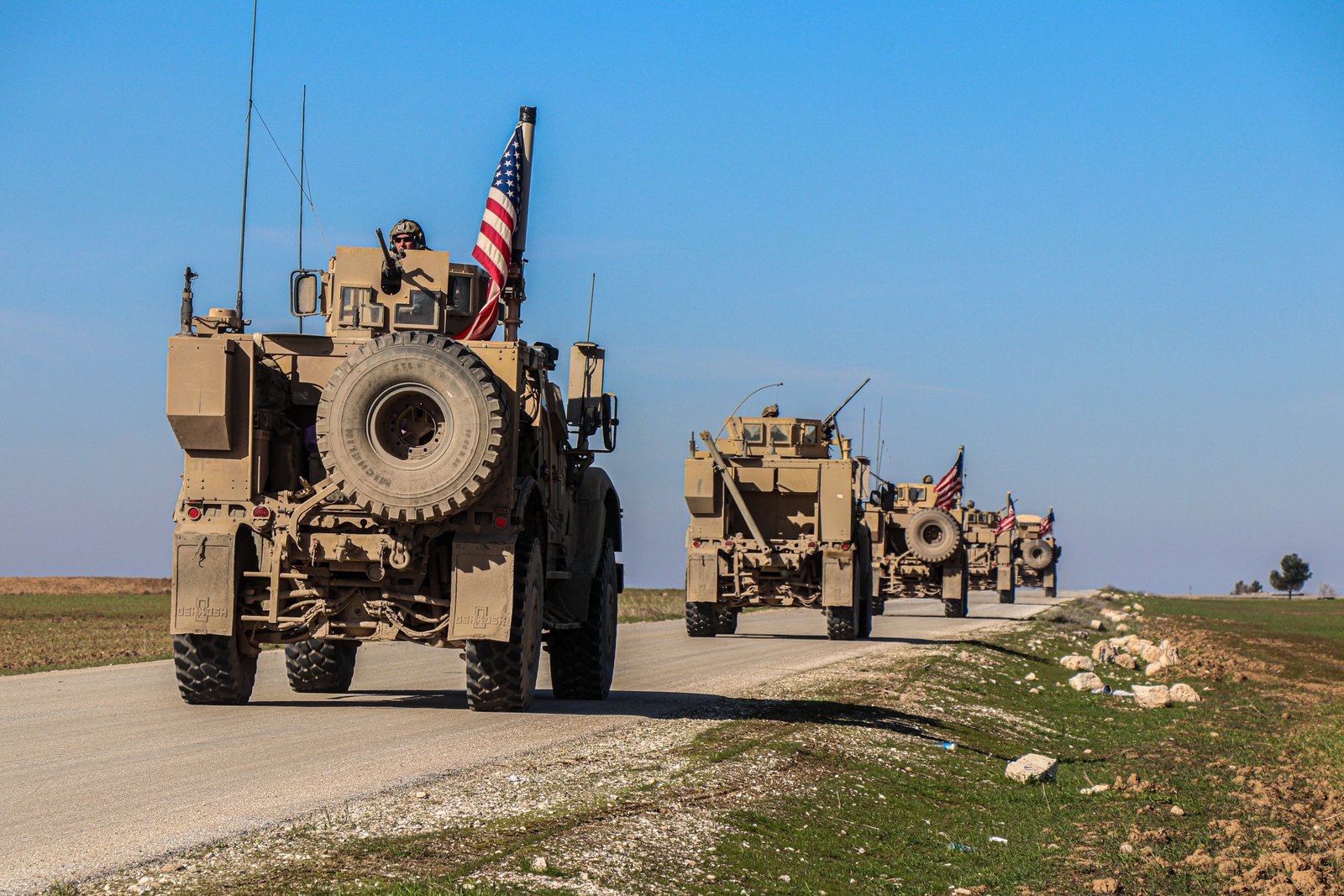
The initiative is structured around five pillars: energy independence; supply-chain and defense-industrial base resilience; a strategic defense reserve; installation hardening and cyber resilience; and resilience in space and spectrum.
“This is not a retreat,” the memorandum reads. “It is the foundation from which American strength is projected — a homeland that cannot be starved out, shut down, or cut off.”
The Threat Picture
Lynn Budd, former president of the National Emergency Management Association and current director of the Wyoming office of homeland security, said there is a growing understanding among leaders that cyber-attacks pose an increasingly powerful threat. “Our world has gotten very small, and threats are imminent,” she said.
Budd flagged the compounding threats of natural and human-made disasters, such as a cyber-attack taking place in the midst of a tornado. “Everybody’s paying attention to the tornado, so our adversaries take advantage of that time.”
The Preparedness Gap
While the US focuses on strengthening its military response, experts say individual emergency preparedness is lacking. FEMA’s 2024 National Preparedness Report indicated that 51 percent of adults believed they were prepared for a disaster.
“Preparedness levels are not where we would hope they would be for some of our more common hazards,” said Dr. DeeDee Bennett Gayle, professor of emergency management at the University of Albany.
Dr. Tom Chandler, director of the National Center for Disaster Preparedness at Columbia University, argued that the Pentagon’s plan illustrates the vast differences in needs for individual preparedness versus institutional preparedness. “Military installations in the United States have very specific and unique operational responsibilities, and these requirements are oftentimes very different than what is required for ordinary households,” he said.
The FEMA Cuts
Experts say the Trump administration’s sweeping cuts to the federal workforce have placed new pressures on state and local governments. More than 4,300 employees left FEMA in fiscal year 2025, about 17 percent of the workforce, according to a GAO report.
“We can’t gain that capability tomorrow,” Budd said.
The Bottom Line
The US is focusing on military preparedness through the FORTRESS America initiative while other countries urge citizens to prepare for emergencies. Experts warn that individual preparedness is lagging, with only 51 percent of adults believing they are ready for a disaster. The administration’s cuts to FEMA have placed new pressures on state and local governments.