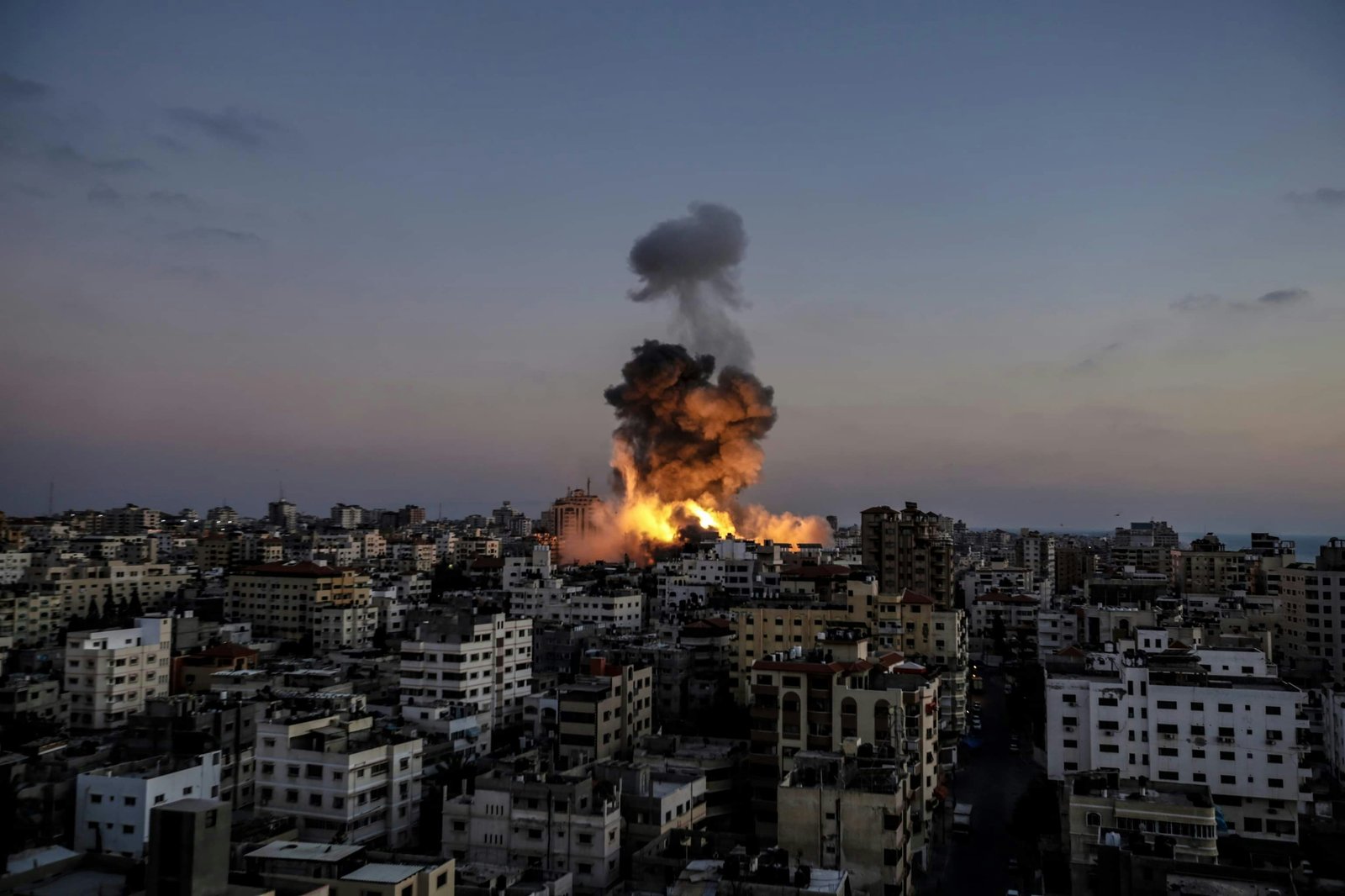

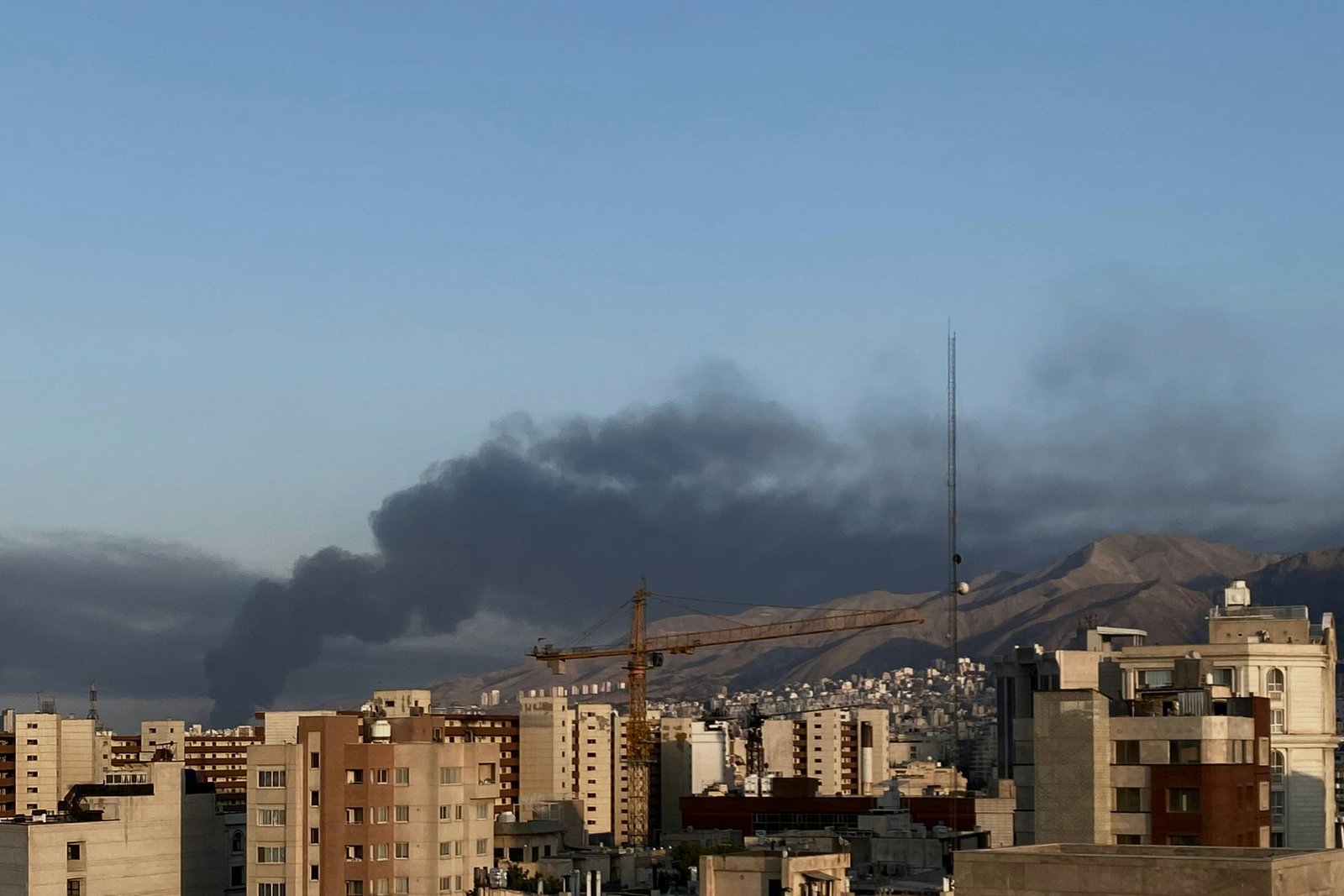
The six-month war in the Middle East has taken another dangerous turn after U.S. strikes target Iranian rocket launchers on Larak Island near the Strait of Hormuz. This sudden military action ends weeks of quiet on the battlefield and revives direct fighting between both nations. American military officials stated they launched the precision attack to stop Iranian forces from dropping sea mines into important commercial shipping lanes. However, the strike killed several people on the island and immediately triggered a wave of retaliation, with Iran launching missiles toward U.S. military bases in Jordan.
Escalation Near the Strait of Hormuz
The primary driver behind why the U.S. strikes Iran’s center on control of the Strait of Hormuz, one of the world’s most important passageways for global oil trade. After the U.S. shifted its focus toward heavy economic sanctions to starve Iran of oil revenue, tensions spilled right back onto the water. Iran’s Revolutionary Guard Corps fired back by targeting regional bases housing American troops and warning that further aggression would meet severe consequences. Oil prices surged globally within hours of the exchange, showing just how fragile global trade remains while this conflict drags on.
Diplomatic Fallout and Political Strains
The diplomatic pressure from international allies continues to build. The European Union signaled support for economic pressure through sanctions, yet leaders across the globe urge both sides to negotiate a ceasefire to avoid a wider war. Meanwhile, domestic friction inside the U.S grows over how long the intervention will last. Iranian foreign officials claim American leaders were coaxed into the fighting, a narrative the White House rejects as it maintains the military actions are strictly defensive.
Opinion
It is completely exhausting to watch how this entire conflict is being handled. For months, Donald Trump built expectation around bringing quick resolutions, promising to pull America away from foreign entanglement and stabilize global trade. Instead, what do we get? A few weeks of quiet, a shift to “economic warfare,” and then right back to launching missiles when the strategy falls apart. The back-and-forth gives people false hope that peace is around the corner, only to pull the rug out with another round of bombing.
What makes it even harder to digest is the bizarre media circus running alongside real warfare. While troops exchange fire and civilians face danger, social media gets flooded with fake AI-generated clips showing enemy islands blowing up, while political energy is wasted on petty executive orders renaming cross-border lakes like Lake Ontario. Playing tough on digital platforms or picking fights over map names does nothing to protect soldiers or fix oil prices. It is time for leadership to step back, stop making promises it won’t keep, and focus on serious diplomacy before this entire situation spirals completely out of control, and this is definitely on President Trump.