Members of Congress are rushing back to Capitol Hill with a tight deadline to avoid a government shutdown before federal funding expires at the end of September. Following a five-week summer recess, the House of Representatives must act quickly on a temporary funding bill passed by the Senate. If lawmakers fail to reach a compromise before the Sept. 30 deadline, essential federal services could stall, leaving thousands of government workers without pay right before the upcoming holiday season.
House Prepares Crucial Vote on Federal Funding
The main effort to avoid a government shutdown rests on a short-term funding patch designed to keep federal agencies operating through mid-December. The Senate has already approved a bipartisan measure that addresses key concerns over how border security money is managed and limits sudden cancellations of federal grants. Because House leaders plan to fast-track the voting process, the bill requires a two-thirds majority to pass. That means Republican leadership must secure significant support from Democrats to get the spending package across the finish line.
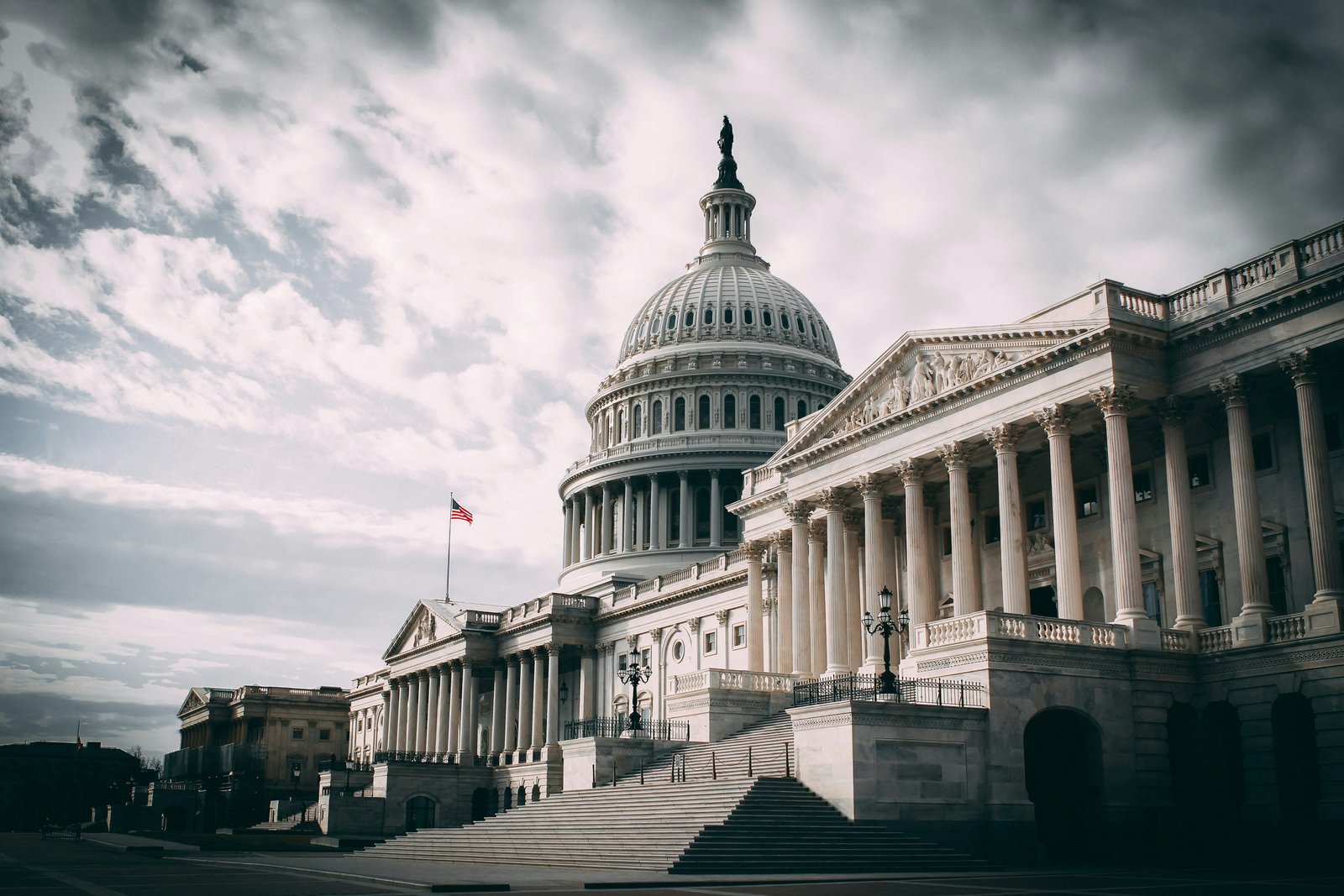
High Stakes and Tight Margins on Capitol Hill
With narrow voting margins in the House, the push to avoid a government shutdown leaves little room for political missteps or internal party disagreements. The Democratic caucus is adding two newly elected members following special elections, shrinking the Republican majority even further. On top of the tight timeline, lawmakers face a busy legislative schedule filled with ethics committee reports and political resolutions. Despite these distractions, the priority remains clear: passing the temporary funding extension to keep the federal government open.
Opinion
Watching politicians wait until the very last minute to stop a crisis is exhausting. Every few months, working families are forced to sit on edge, wondering if federal services will freeze or if government employees will get their paychecks on time. Congress gets five whole weeks of summer break, comes back with a massive deadline staring them in the face, and then spends precious time on political messaging votes instead of fixing the real issue.
It feels like politicians treat these funding deadlines like a game to score points against each other on TV. They give people hope that things will run smoothly, only to drag everyone to the edge of another shutdown cliff. The public deserves stable leadership, not non-stop political drama and last-second patches. Lawmakers need to stop playing games with public money, get their priorities straight, and focus on passing long-term solutions instead of running down the clock every single year.