Legal battles over reproductive healthcare access are set to heat up again in New Orleans as Louisiana pushes the 5th Circuit to ban mail-order abortion pills. State attorneys, working alongside the conservative legal organization Alliance Defending Freedom, are urging the 5th U.S. Circuit Court of Appeals to roll back federal rules that allow mifepristone, a primary drug used in medication abortions, to be prescribed via telehealth and sent through the mail. State officials contend that the Food and Drug Administration’s (FDA) policy undermines state-level bans and infringes on local sovereignty.
The Core Arguments Surrounding Telehealth Mifepristone Access
The lawsuit, Louisiana v. Food and Drug Administration, specifically targets 2021 and 2023 FDA decisions that permanently eliminated the requirement for patients to receive mifepristone in person from a certified healthcare provider.
State Sovereignty and Standing: Louisiana argues that federal rules allowing out-of-state prescribers to ship abortion pills into states with active bans conflict with the post-Dobbs legal framework. State lawyers claim this dynamic burdens state-funded Medicaid programs when complications arise and weakens state law enforcement.
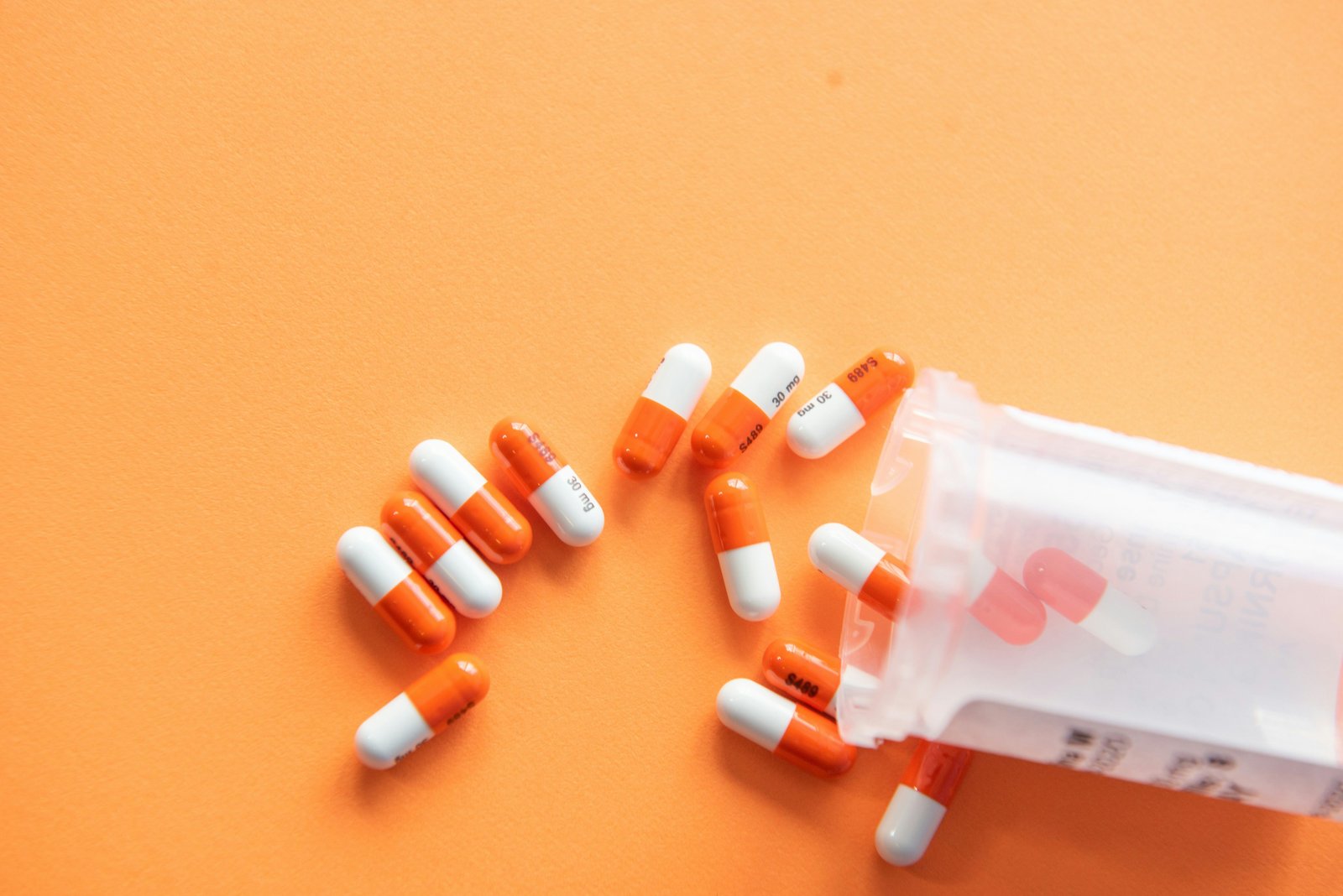
The FDA and drug manufacturers contend that decades of peer-reviewed scientific studies demonstrate mifepristone’s safety when prescribed via telemedicine. The agency has requested time to complete a formal safety review, maintaining that Louisiana lacks legal standing to dictate nationwide pharmaceutical access.
According to health research groups like the Guttmacher Institute, medication abortion accounts for the majority of all abortions in the U.S., with tens of thousands of patients receiving pills by mail through telehealth providers.
Potential National Implications for Abortion Access
While a lower district court initially paused the case to give the FDA time to conduct its safety review, the 5th Circuit previously granted a temporary motion to reinstate in-person requirements before the U.S. Supreme Court stepped in to maintain the status quo pending appeal. Legal experts anticipate that whatever ruling the conservative-leaning appellate court issues, the case will eventually return to the Supreme Court. A final verdict favoring the state could eliminate mail-order access to mifepristone nationwide, even in states where abortion remains fully legal.
Opinion
The lawsuit brought by Louisiana is a vital and necessary stand for the sanctity of human life. For far too long, the expanding reach of mail-order abortion drugs has treating the ending of an unborn child’s life as a casual transaction handled through a delivery box. Removing in-person medical visits strips away basic safeguards, leaving both vulnerable mothers and their unborn babies exposed to serious harm without genuine medical oversight.
Every human life possesses inherent dignity and deserves protection from the moment of conception. When federal policy allows potent medications to bypass state laws specifically enacted to defend the unborn, it directly erodes democratic governance and state sovereignty. Pro-life legislation is created to uphold a culture of life, ensuring that society protects its most defenseless members.
Allowing mail-order distribution undermines these vital protections and enables individuals to circumvent laws intended to preserve life. It is inspiring to see legal teams and state leaders push back firmly against these federal policies. Banning the remote mailing of these drugs is a necessary step toward building a society that respects, values, and protects human life at every stage.