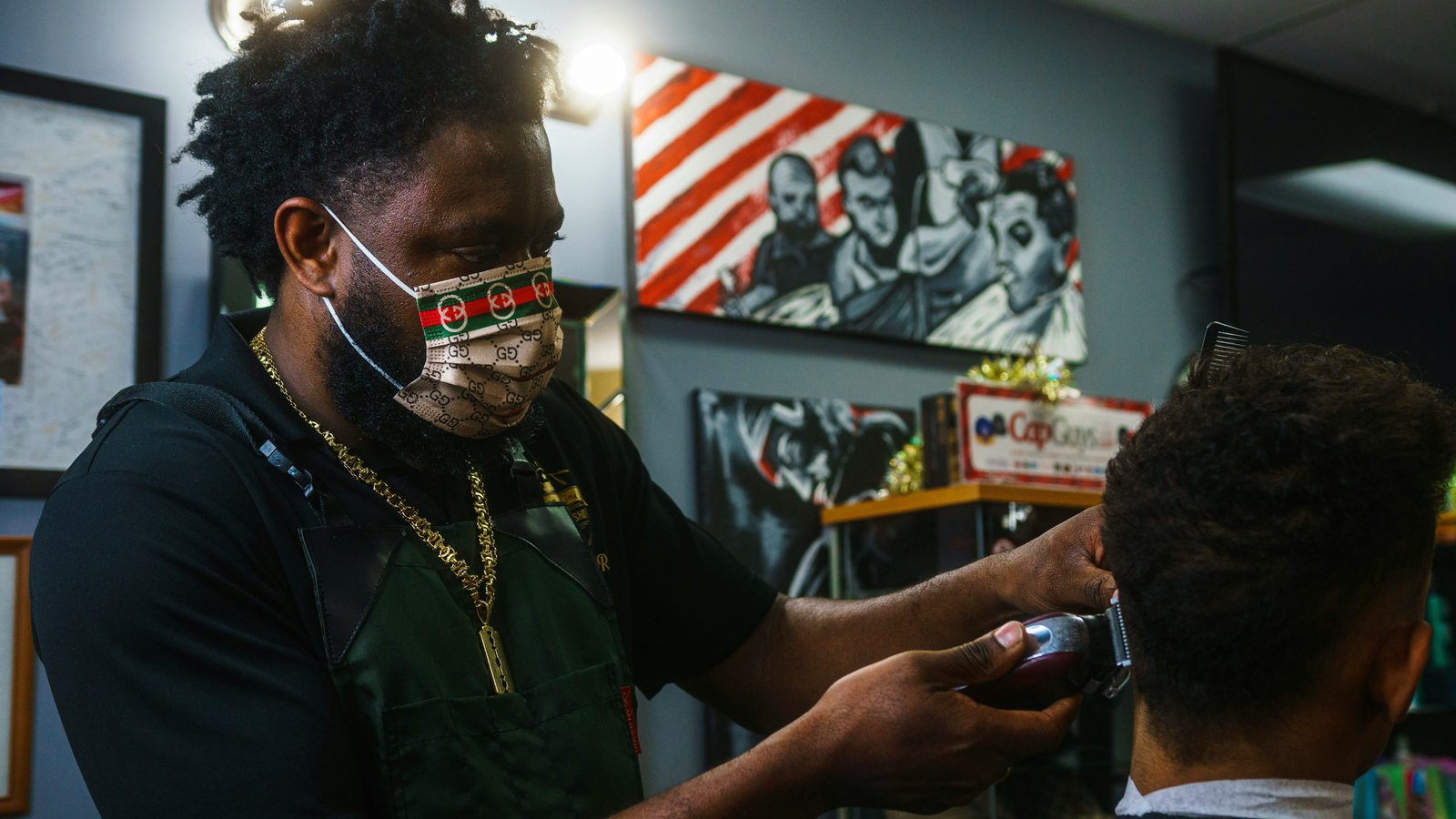

As state policies take full effect, New York enforces textured hair education as a mandatory requirement for every student enrolled in beauty and cosmetology schools. Signed into law by Governor Kathy Hochul following the passage of Senate Bill S6528A, the updated regulations require licensing programs to provide comprehensive instruction on working with all hair types, ranging from straight strands to tightly coiled patterns. By integrating these modules directly into existing course hours, state leaders aim to ensure that newly licensed professionals possess the fundamental skills needed to care for every client who walks through a salon door.
What the Updated Cosmetology Curriculum Requires
The new mandate ensures that beauty education reflects the true diversity of salon clients across the state. Under the guidelines overseen by the New York Department of State, schools must update both classroom lessons and practical training.
Students must learn scalp care, proper moisture retention, and safe styling techniques tailored specifically to textured, curly, and coily hair. Written and practical state board examinations will now test applicants on their knowledge of diverse hair textures. The new instruction fits within the standard 1,000-hour cosmetology license program without increasing tuition costs or time in school.

Eliminating Salon Bias and Elevating Industry Standards
For decades, traditional cosmetology programs focused almost exclusively on straight hair, leaving many stylists unprepared to care for Black clients or individuals with natural curls. Assembly Member Michaelle Solages, who sponsored the legislation, emphasized that the change establishes equal access to quality services so no customer faces rejection or improper care due to their hair type. New York joins states like New Jersey in passing these standards, setting a clear nationwide benchmark for inclusivity in the beauty industry.
Opinion
It is refreshing to see state regulations catch up with real-world needs. For far too long, the beauty industry treated textured and coily hair as a specialized niche rather than an essential part of basic cosmetology training. Expecting Black consumers and individuals with natural curls to search endlessly for a qualified stylist or risk damaged hair at an untrained salon was an unacceptable oversight that should have been fixed decades ago.
When New York enforces textured hair education, it removes the unfair burden placed on both clients and students. Cosmetology school is meant to prepare professionals for the real world, and the real world includes a wide variety of hair textures. Setting these standard rules ensures that every newly licensed stylist graduates with real confidence and competency.
True professional inclusion starts in the classroom. Standardizing textured hair training across all licensed programs protects consumer health, prevents improper treatments, and ensures that beauty care remains welcoming and accessible for everyone.