Federal government attorneys filed an emergency request with the highest judicial body on Sunday, seeking to take the ballot fight back to the Supreme Court ahead of midterms as key election deadlines rapidly approach. The legal petition urges the justices to lift a lower court injunction that currently blocks new administrative rules for handling postal ballots.
The latest filing follows an order by U.S. District Court Judge Indira Talwani, who extended a temporary hold against enforcing Postal Service mandates for the upcoming November vote. Solicitor General John Sauer warned the court that ballot envelopes are already being distributed to voters in early-voting states like North Carolina, with Alabama and several other states following shortly. The administration argues that allowing local election offices to treat new federal Postal Service guidelines as optional creates legal uncertainty, while civil rights organizations insist the sudden shifts endanger the voting access of millions.
What the New Postal Rules Require and Why States Are Resisting
The controversy centers on executive directives that impose strict technical requirements on postal networks carrying completed voting materials. Under these guidelines, election offices must print specialized barcodes on ballot envelopes and log voter information into a centralized online database.
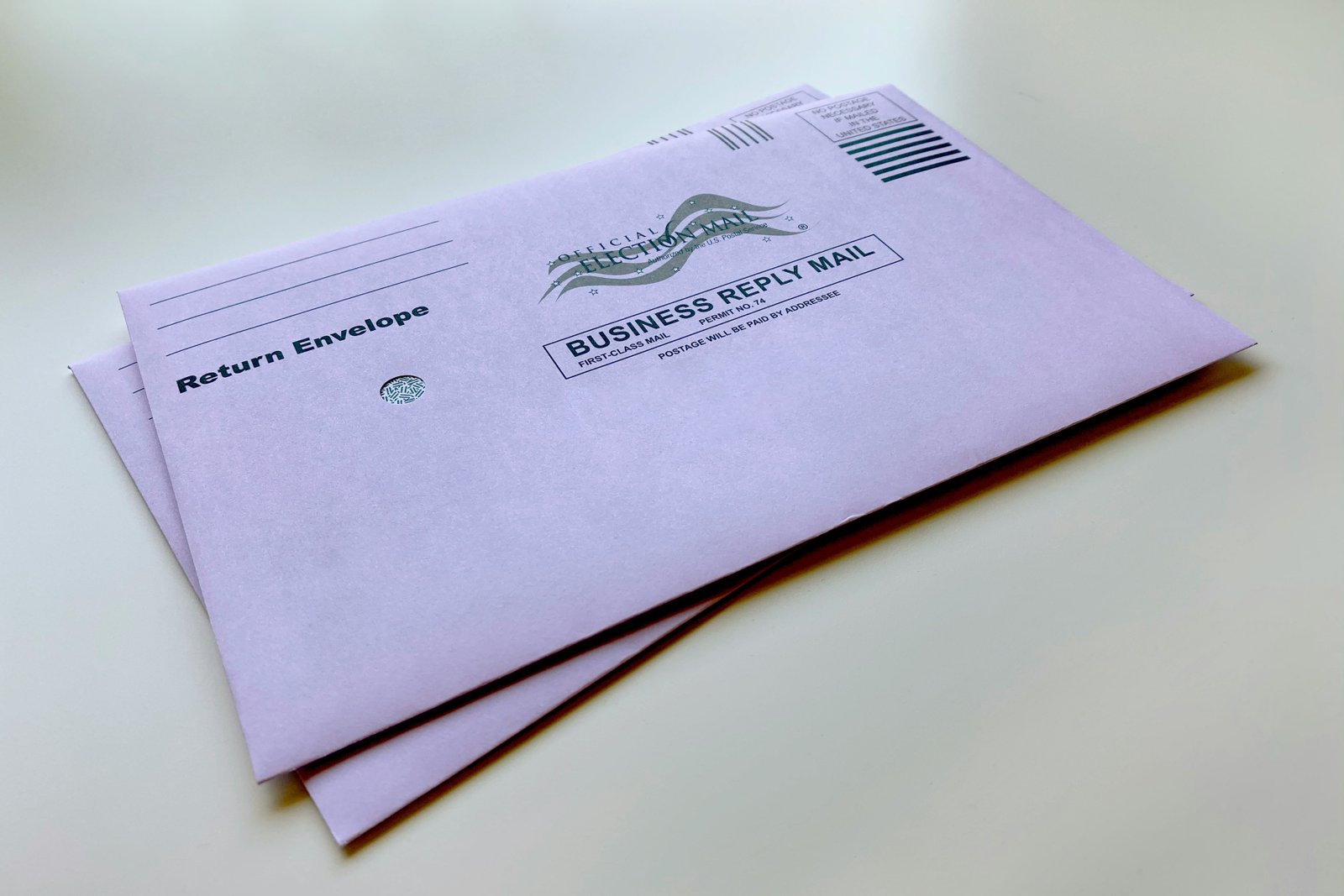
Local authorities must apply unique tracking barcodes directly to outgoing and incoming mail-in ballot envelopes. States are expected to submit voter roster details, including names and physical addresses, into a shared government portal. Local election directors across the country have stated in official court declarations that ballot envelopes were printed months ago, making last-minute reprinting practically impossible before voting begins.
The Legal Standoff over Emergency Stays and Election Timing
This application marks the third time the administration has petitioned the high court to intervene in mail-in voting procedures during this election cycle. Democratic state attorneys general and voting rights advocates maintain that the regulations exceed executive authority and violate voters’ equal protection rights.
Administration lawyers contend that immediate judicial intervention is necessary to clarify rule compliance across all fifty states. With nearly a third of all votes nationwide expected to arrive through the mail, any sudden procedural change close to Election Day carries major implications for local election boards processing record volumes.
My Personal Opinion
When you look at this situation purely from the standpoint of practical administration, changing voting rules while ballots are actively sitting in people’s mailboxes is a recipe for complete administrative breakdown.
Elections rely on predictability and advance planning. Local election workers spend months printing envelopes, setting up intake machines, and training staff on state guidelines. Expecting thousands of county clerks to overhaul their printing standards, acquire custom software, and re-gear their intake portals a few weeks before an election places an unfair strain on local resources.
The primary argument for these rules is “ensuring integrity,” but forcing unworkable deadlines on election staff creates the very chaos officials claim they want to avoid. If a voter follows their local state laws, mails their ballot on time, and fulfills every identity check required, their vote should be counted without worrying about whether their county clerk used a brand-new federal tracking barcode. The courts ought to prioritize stability and let existing, proven voting systems run smoothly through November.
Bottom Line
The emergency motion verifying that Trump has taken the mail ballot fight back to the Supreme Court ahead of the midterms places immense pressure on the justices to issue a rapid decision. If the court grants a stay, state election directors will have to struggle to meet the new postal tracking mandates. If the justices refuse to step in, current state-level mail procedures will remain in place while the broader constitutional challenge works its way through lower appellate courts.