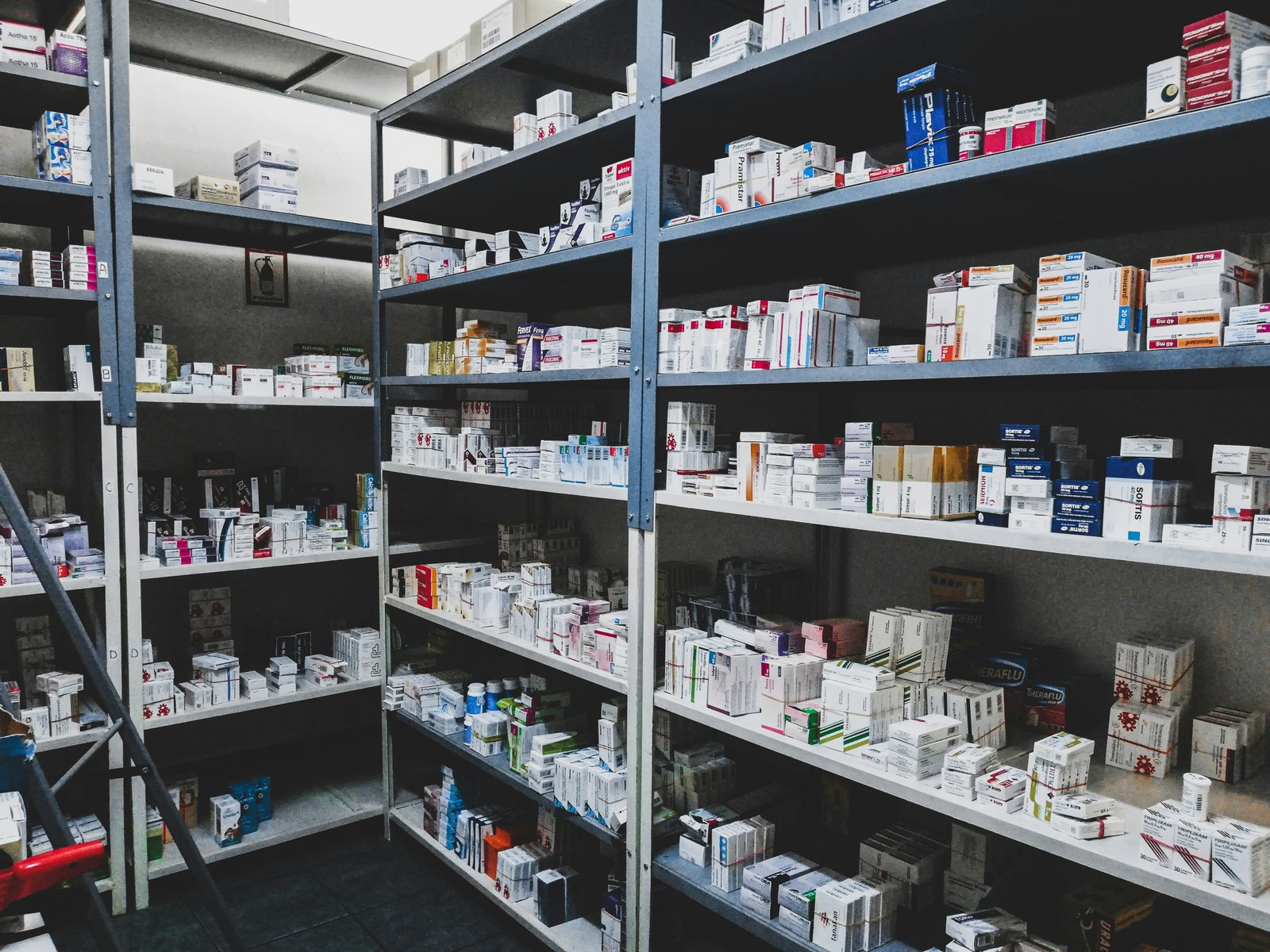

Iran is facing a growing crisis in its pharmaceutical sector as the United States tightens sanctions and maintains a naval blockade, leading to severe shortages of life-saving medicines and staggering price hikes, according to Iranian officials and medical professionals.
About 800 pharmaceutical products are currently in short supply nationwide, including 90 considered essential and life-saving, according to Hadi Ahmadi, a spokesman for the Iranian Pharmacists Association. Four hundred of those drugs, he told local media last week, are manufactured inside Iran.
Prices have surged dramatically. The state-run Mehr News Agency reported that the price of gabapentin, used to treat epilepsy and nerve pain, has risen 220 percent over the past year. Pain and fever pill Acetaminophen has risen by 375 percent, antibiotic Amoxicillin by 285 percent, and anti-depressant Fluoxetine by 100 percent. Insulin, a daily necessity for diabetics, now costs up to six times what it did a year ago.
The Impact on Patients
Farah, a 59-year-old resident of Tehran, used to fill her autoimmune prescription with a Swiss-made drug. Now she takes the Iranian-made version and worries that, too, may soon be in short supply.
“I switched to the Iranian-made version because of the price and availability,” she told Al Jazeera. “You might not find the foreign-made version later, and you can’t keep switching because they don’t have the same quality and effectiveness.”
Damage from the War
The shortages have worsened since the US and Israel’s war on Iran began in February, which damaged and destroyed some 44 pharmaceutical and medical equipment companies. According to Iranian officials, some 50 industry workers were also killed or wounded.
One of the main pharmaceutical firms bombed during the war was Tofigh Daru. Maryam Farahani, the company’s director of sales, told Al Jazeera that Israeli air strikes had struck all of its research and production lines, including those producing peptide and narcotic active ingredients as well as anticancer drugs.
“Our target audience is predominantly cancer patients and people with chronic diseases,” Farahani said. “Some of the medicines we used to produce were exclusive.”
The company has since rented an alternate production line to keep output above zero, even as the US’s naval blockade and sanctions drive up import costs. Farahani estimated that partial rebuilding would require at least two years and tens of millions of dollars.
Officials Play Down Crisis
Despite the deteriorating conditions, Iranian authorities have sought to project resilience. Mahdi Pirsalehi, head of Iran’s Food and Drug Administration, said on Tuesday at a pharmaceutical exhibition in Tehran that Iran was facing fewer drug shortages than last year, but did not provide figures to support the claim.
However, doctors in Tehran worry about the threat to public health. A gastroenterologist and university professor described the recent rise in prices as “staggering” and said it had become an insurmountable barrier for many vulnerable Iranians.
She warned that rotavirus vaccine imports have been halted because of the maritime blockade, and that influenza vaccines may soon face the same problem. “Runaway inflation, poverty, and inadequate access to essential food groups among vulnerable populations signal the onset and spread of malnutrition,” she added.
The Bottom Line
Iran is facing growing shortages of essential medicines as the US tightens sanctions and maintains a naval blockade. About 800 pharmaceutical products are in short supply, with prices surging dramatically. The war with the US and Israel has damaged pharmaceutical companies and killed industry workers. Authorities have downplayed the crisis, but doctors warn of serious public health consequences, including halted vaccine imports and rising malnutrition.