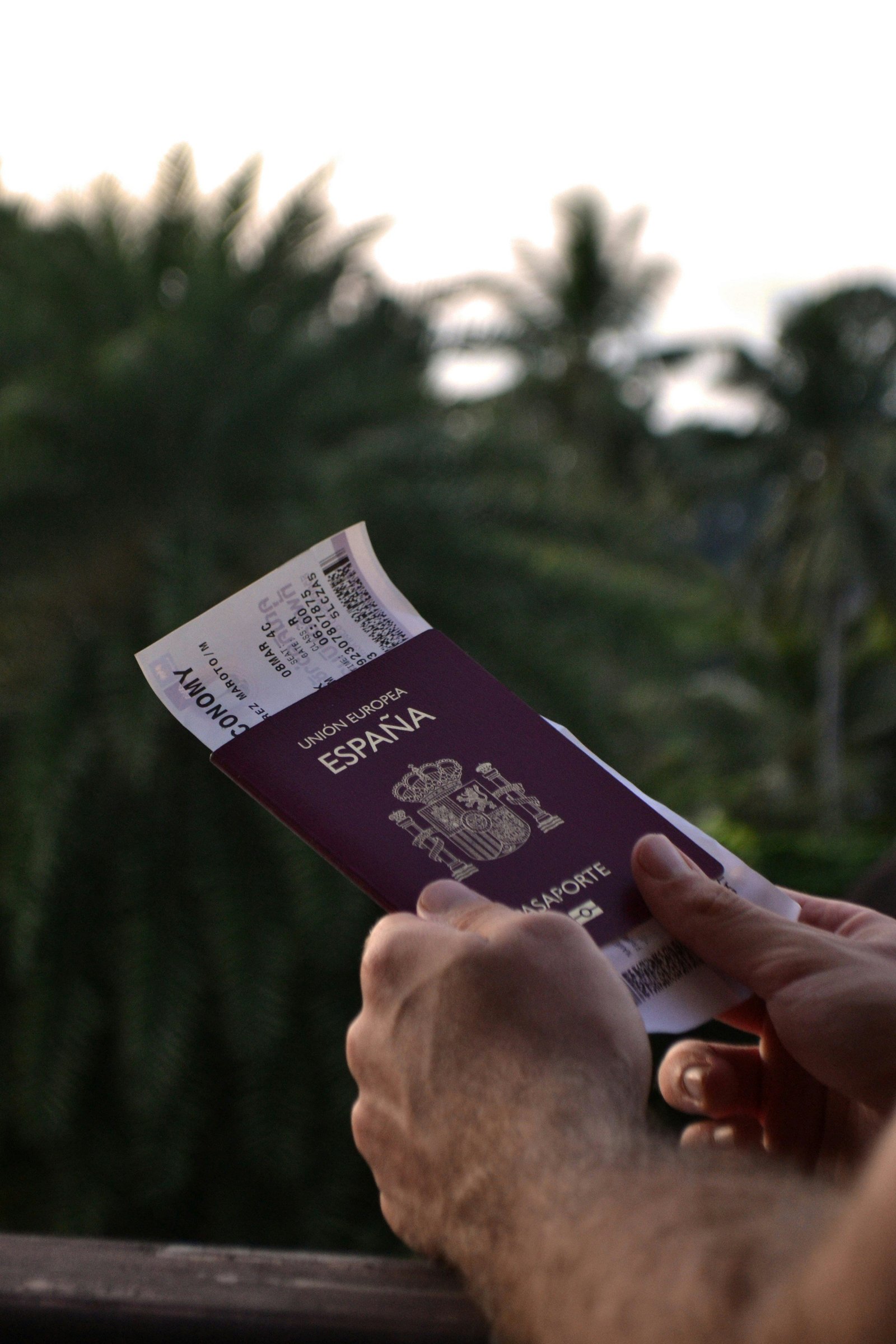

Spain’s Congress of Deputies on Thursday approved a bill granting Spanish nationality, and with it EU citizenship, to people born in Western Sahara while the territory was under Spanish administration.
The vote passed 168 to 31 with 145 abstentions, and the text now moves to the Senate. Estimates of the eligible population start at roughly 70,000 and approach 200,000 once descendants are counted.
How the Law Would Work
The bill declares that “exceptional circumstances” justify granting nationality by carta de naturaleza, Spain’s discretionary naturalization route, to anyone born in Western Sahara before September 29, 1977. That was the deadline of a one-year window, opened by decree after Spain’s withdrawal from the territory, for Sahrawis to opt for Spanish nationality.
No legal residence in Spain is required, applications are free of charge, and authorities must resolve them within a year. Applicants can prove eligibility with a Spanish national identity document, a UN-authenticated census receipt, a birth certificate, or paperwork issued by the colonial administration. Softer evidence, including school records and medical files, is also admissible.

First-degree descendants of those who obtain nationality will have five years to opt in, counted from the parent’s registration in the Civil Registry. Grandchildren are excluded. The application window runs three years from entry into force, extendable by one more year.
A second, permanent change amends the Civil Code so that any Sahrawi can naturalize after two years of legal residence rather than ten.
The Political Context
Sumar, the junior partner in Pedro Sánchez’s coalition, drove the initiative. The governing Socialist Party initially rejected it before negotiating the final wording. The People’s Party abstained, arguing that Sahrawis should naturalize through the two-year residency route rather than carta de naturaleza. Far-right party Vox cast the only votes against, rejecting what it called a giveaway of nationality.
Tesh Sidi, a Sumar deputy born in the Tindouf camps and the first woman of Sahrawi origin to serve in the chamber, championed the text and framed the vote as ending a half-century of “legal and juridical limbo.”
Thursday’s vote landed at the lowest point in Madrid-Rabat relations in years. In late July, more than 70,000 people crossed into the Spanish exclave of Ceuta over two days, dozens died in the attempt, and thousands remain there.
The EU Dimension
Every passport issued under this law is also an EU passport, carrying the right to live and work anywhere in the bloc. Nationality remains a national competence, so no other capital gets a vote, yet all 26 other member states must absorb the consequences of Madrid’s decision.
The timing sharpens that tension. Spain’s partners, Italy loudest among them, are still at odds with Madrid over the handling of the Ceuta crisis. A large new cohort of EU citizens originating from a disputed African territory hands those critics fresh ammunition.
Alexander Osetinskiy, partner at Valencia-based PRO-Relocation, warned the law “might become a trigger to even more active illegal immigration” toward Spain and other EU territories from Africa. He framed the risk in the language the European Court of Justice used in its 2025 Malta ruling: that EU citizenship rests on a “special relationship of solidarity and good faith” among member states and a “genuine link” between citizen and country.
What Happens Next
The Senate takes up the text now, and the arithmetic there favors the opposition. The PP controls 141 of the chamber’s 266 seats, seven above the absolute-majority threshold, meaning it can amend or veto the bill without a single ally.
However, the Senate’s power is limited since Congress can override a Senate veto with an absolute majority of its own. Upper-house resistance can delay the law rather than kill it.
Litigation looks like the likelier battlefield. On the day of the vote, Spain’s Supreme Court provisionally suspended the voting rights of certain citizens naturalized under the Democratic Memory Law, following a challenge by Vox and the group Iustitia Europa.
The Bottom Line
Spain’s Congress has approved a bill granting citizenship to Sahrawis born in Western Sahara before 1977, with no residence requirement. The bill now moves to the Senate, where the opposition holds a majority. The law would grant EU citizenship to up to 200,000 people, raising concerns among other member states about the precedent it sets. The vote comes amid heightened tensions between Spain and Morocco over the Ceuta crisis.