
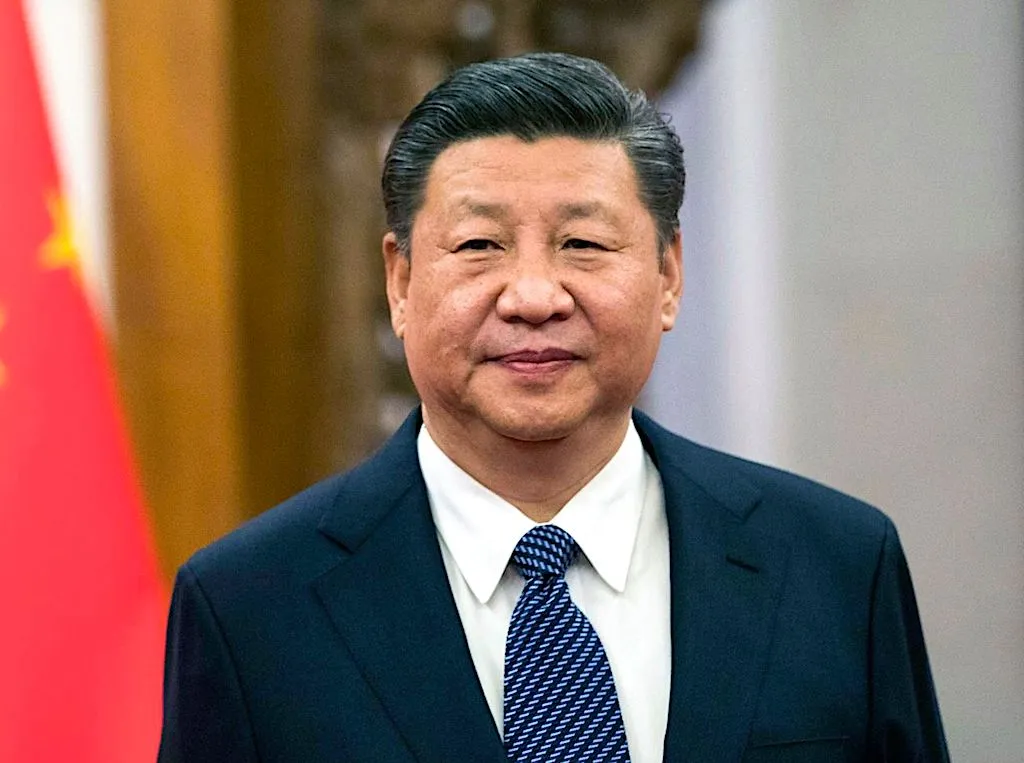
Can political speeches from Beijing ever erase decades of democratic self-rule across the Taiwan Strait? Standing inside Beijing’s Great Hall of the People on Thursday, Xi Jinping insists Taiwan reunification cannot be stopped as he called for the peaceful integration of the self-ruled island with the Chinese mainland. Speaking at an official ceremony marking the 160th birthday of revolutionary figure Sun Yat-sen, the Chinese leader declared that bringing Taiwan under Beijing’s control is an “unwavering historical mission” of China’s Communist Party. Although Xi avoided mentioning the use of military force during his remarks, he reaffirmed Beijing’s commitment to its “one country, two systems” framework and urged people on both sides of the strait to oppose Taiwan independence “separatist” forces.
Historical Legacies, Diplomatic Timing, and Military Patrols
Xi’s address deliberately invoked the memory of Sun Yat-sen, who helped lead the 1911 revolution that ended centuries of imperial rule and established the Republic of China. While Beijing praises Sun as a great national hero and patriot who paved the way for its 1949 communist revolution, Taipei officially honors him as the “father of the nation” where the defeated Republic of China government fled and still governs today. Last month, Taiwan’s government warned its citizens to stay away from Beijing’s anniversary celebrations, accusing China of distorting Sun’s democratic legacy and his “Three Principles of the People” philosophy.
Even as Xi Jinping insists Taiwan reunification cannot be stopped through peaceful talks under the “one-China principle,” China’s military pressure around the island continues daily. On the very day of Xi’s speech, Taiwan’s defense ministry detected 29 Chinese military aircraft—including J-16 fighter jets and drones, conducting a “joint combat readiness patrol” around the island alongside Chinese warships. The timing of the speech carries heavy diplomatic significance, coming just one week before Xi is scheduled to meet U.S. President Donald Trump at the APEC summit in Shenzhen, and a little over two weeks before critical local elections in Taiwan.
Taipei’s Dismissal and Ongoing Sovereignty Disputes
In Taipei, government officials brushed aside Beijing’s latest warning as repetitive political messaging. Liang Wen-chieh, spokesperson for Taiwan’s Mainland Affairs Council, noted that the wording regarding unification was no different from past statements. None of Taiwan’s major political parties support Beijing’s “one country, two systems” proposal, and President Lai Ching-te’s governing Democratic Progressive Party has consistently maintained that only Taiwan’s citizens have the right to decide their future.
Tensions have also grown over historical credit, with Taipei pushing back against Beijing’s efforts to claim credit for the Allied victory in World War II pointing out that it was the Republic of China government that fought alongside the United States and its allies, years before the People’s Republic of China even existed. While Beijing labels President Lai a “separatist” and refuses to speak with him, the message from Taipei remains firm: even as Xi Jinping insists Taiwan reunification cannot be stopped, Taiwan refuses to surrender its democratic identity or self-governance.
My View
Xi Jinping’s declaration that the “tide of history cannot be stopped” ignores a basic modern truth: history is shaped by the free choice of living citizens, not the unilateral demands of an authoritarian state.
Preaching “peaceful reunification” inside the Great Hall of the People while sending 29 fighter jets, drones, and warships to circle a democratic neighbor exposes a glaring contradiction in Beijing’s approach. Genuine peace cannot be built on daily military intimidation, nor can a free society be expected to trust a “one country, two systems” promise after watching democratic freedoms dismantled in Hong Kong.
Using the legacy of Sun Yat-sen, a leader who fought to overthrow autocratic rule and establish a constitutional republic, to justify absorbing a self-governing democracy is an irony that fools no one in Taipei. If Beijing truly wants stability across the Taiwan Strait, it must halt its military patrols, respect Taiwan’s elected leaders, and accept that the island’s future belongs solely to the people who live there.