
Enslaved African people were branded with an identifying mark that included an emblem of the British Crown, according to new research by a project documenting British involvement in the slave trade.
Prof William Pettigrew, who led the Register of British Slave Traders research, described the imprinting as a “dramatic and harrowing” symbol of the monarchy’s relationship to slavery. The register lists 13,000 individuals and hundreds of institutions known to have invested in Britain’s role in slavery between 1563 and 1807, when the trade was abolished across the British Empire.
Researchers say it is the most comprehensive examination of a national community of slave traders ever undertaken.
The Discovery
Dr Nicholas Radburn, historian at Lancaster University and co-investigator in the project, told the BBC he first found the identifying mark — an image of the Crown with the South Sea Company logo below it — while looking through the company’s archives at the British Library in 2022.
Founded in 1711, the South Sea Company was set up as a public and private British company and trafficked thousands of enslaved Africans. Radburn said it was “remarkable” to find records of the branding “buried in a very nondescript sounding volume: ‘The Register of Instruments'”.
In 2024, he found letters from the company’s director to their “factors” (slave traders) in the Spanish Americas. One letter from February 1714 was “exceptional because it laid bare so clearly the ways in which the London-based directors were personally involved in the violence that was committed against the enslaved in the Americas”.
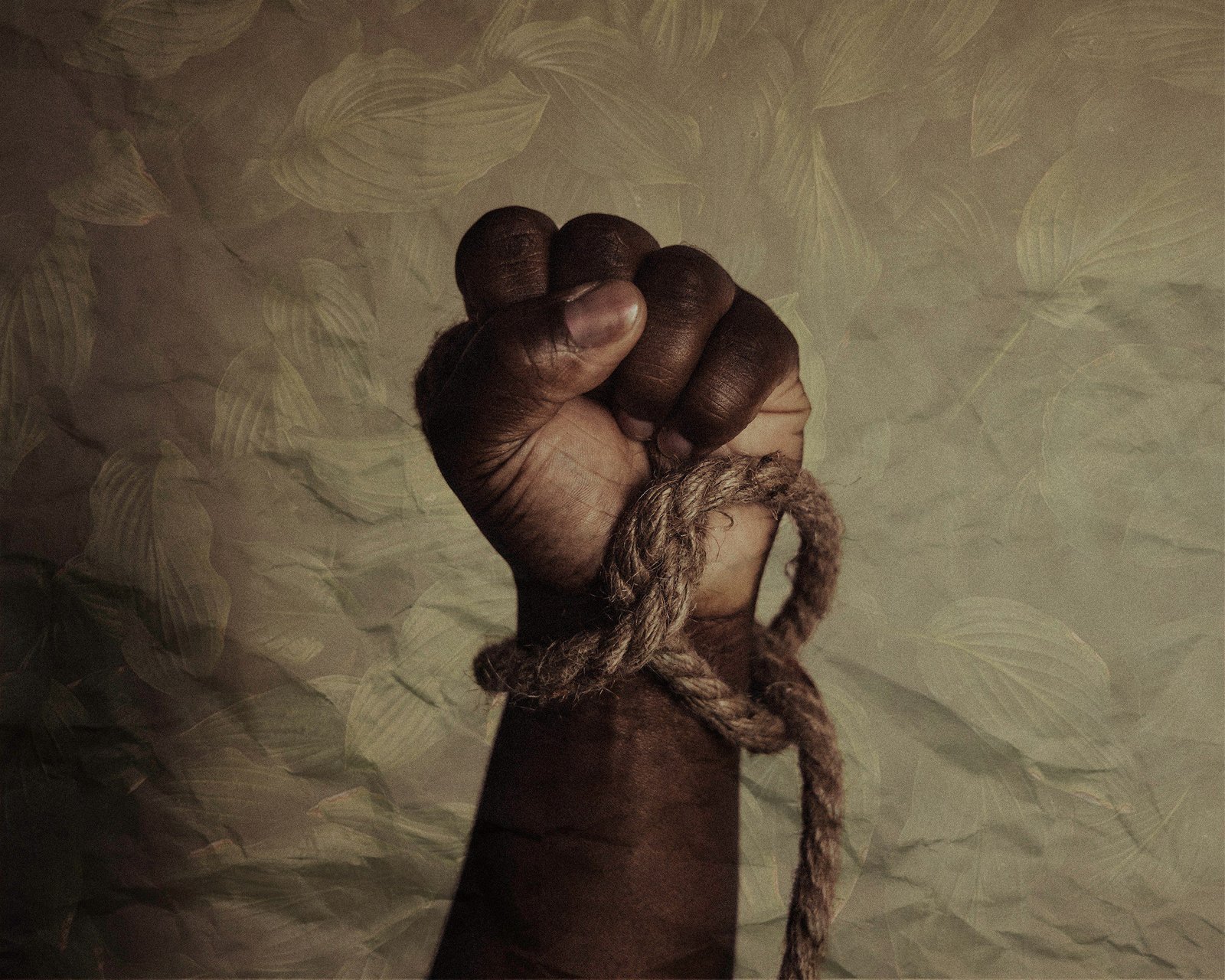
The directors sent irons made in England for slave traders to use to mark enslaved African people on their left shoulder with the emblem. The purpose was to distinguish the company’s slaves from others.
The Monarchy’s Role
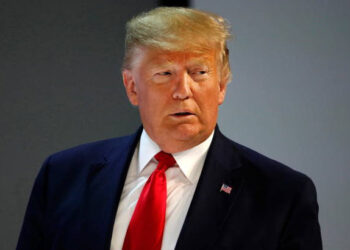
In an interview with BBC Radio 4’s Today programme, Pettigrew said there were all sorts of connections between the monarchy and slavery. “If you think about the history of the monarchy when it was at its absolute lowest ebb, when King Charles I was executed, members of the royal family relaunched the monarchy, its finances and its reputation, by investing in the transatlantic slave trade,” he said.
He said it was important to distinguish between the monarchy as an institution and the individuals who led it. “The institution is the same as it was hundreds of years ago,” he said. “In a court of law, the monarchy is the same institution today as it was in the 17th Century.”
In a statement, Buckingham Palace said King Charles “has on many occasions expressed his personal and wholehearted commitment to promoting greater understanding around the issue of slavery and finding ways to address historic wrongs for the benefit of communities today”.
The Register
The researchers say the register lays bare the breadth of individuals who contributed financially to the slave trade — from monarchs and politicians to plumbers and clergymen. “They financed wars, shaped modern industry, and built ports, canals and thriving cities, helping make Britain a global and imperial force,” Pettigrew said.
The register is the culmination of five years of research. It aims to highlight how individuals “financed the English (then British) contribution to the transatlantic traffic in enslaved African people”. The financing contributed to England’s role in enslaving around three million African men, women, and children, of whom an estimated half a million died during forced transportation.
The Reparations Debate
African and Caribbean countries have called for a formal apology and reparations from countries that benefited from the transatlantic slave trade. Earlier in September, Jamaica’s government said it would raise a petition on the subject with King Charles.
Last week, a Downing Street spokesperson said the transatlantic slave trade was “abhorrent” but the UK position was that it does not pay reparations.
A new two-part series, Finding Britain’s Slave Traders with David Olusoga, will explore the individuals and institutions who financed Britain’s trade of enslaved Africans. It airs on BBC Two on September 21.
The Bottom Line
New research has revealed that enslaved Africans were branded with an emblem of the British Crown by the South Sea Company in the 18th century. The Register of British Slave Traders lists 13,000 individuals and hundreds of institutions involved in the slave trade. The findings highlight the monarchy’s historic ties to slavery and come amid ongoing calls for reparations from Caribbean nations. The UK government has said it will not pay reparations.