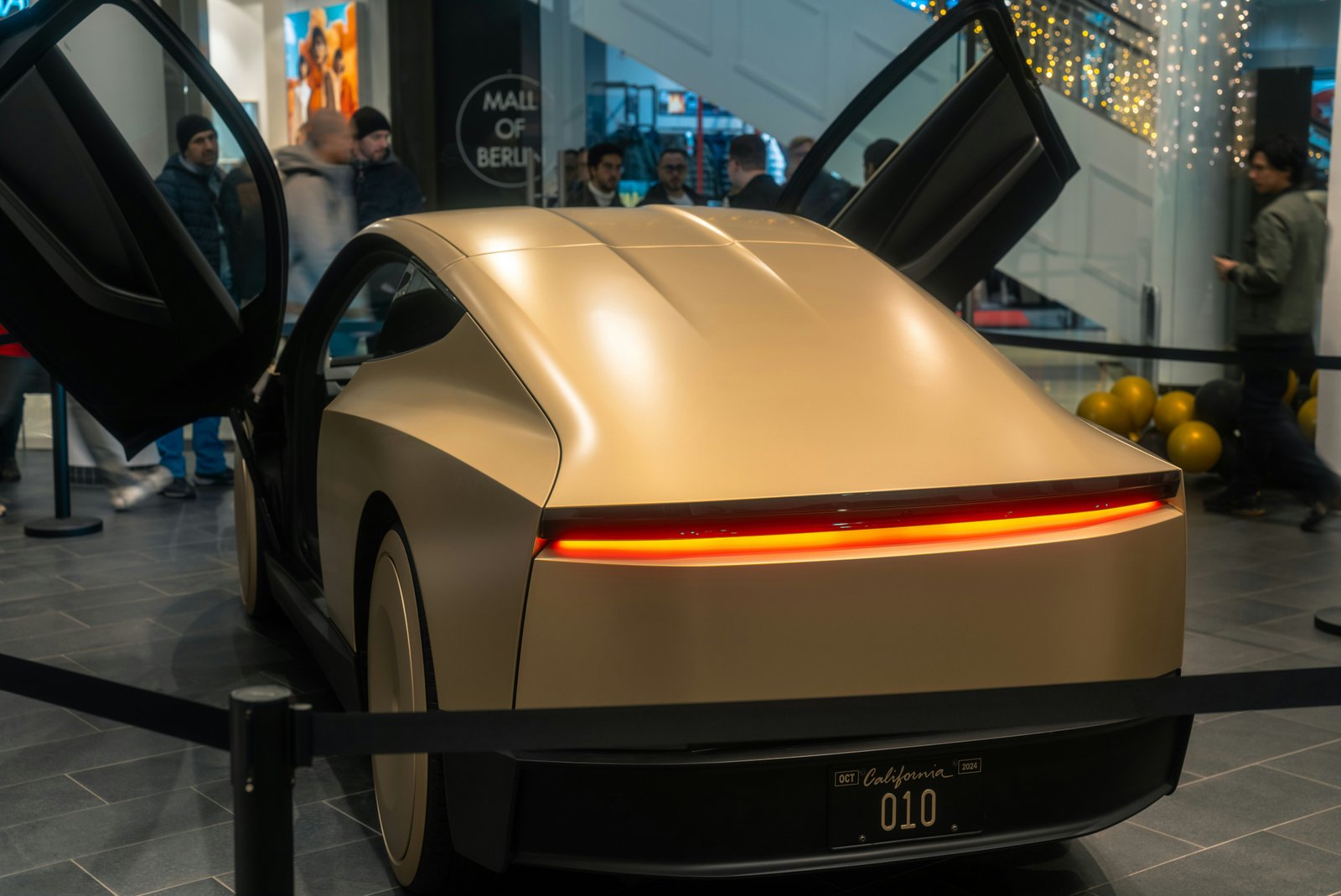

Tesla spent nearly two years raising anticipation for the Cybercab. When the time arrived on September 3 in Austin, the result was a stock that popped, then rapidly returned all of its gains, and a robotaxi race that still seems to be Alphabet’s to lose.
The event was invitation-only, not livestreamed, and CEO Elon Musk was not there. The company’s main public update was a 51-second video of the two-seat, steering-wheel-free vehicle roaming city streets and people hailing it by app. Shares rose roughly 5% during the session, finishing near $376. By September 4, enthusiasm had waned, with the stock plummeting as much as 6% as investors realized how little the event revealed about deployment timelines, production ramp, or regulatory clearance.
The Regulatory Scrutiny
Only 45 Cybercabs were registered in Texas, and Tesla did not seek a National Highway Traffic Safety Administration exemption before deployment. Instead, the company self-certified the Cybercab as compliant with applicable federal safety standards. NHTSA subsequently opened an audit into that certification and has ordered Tesla to provide additional information about the basis for its compliance claims.
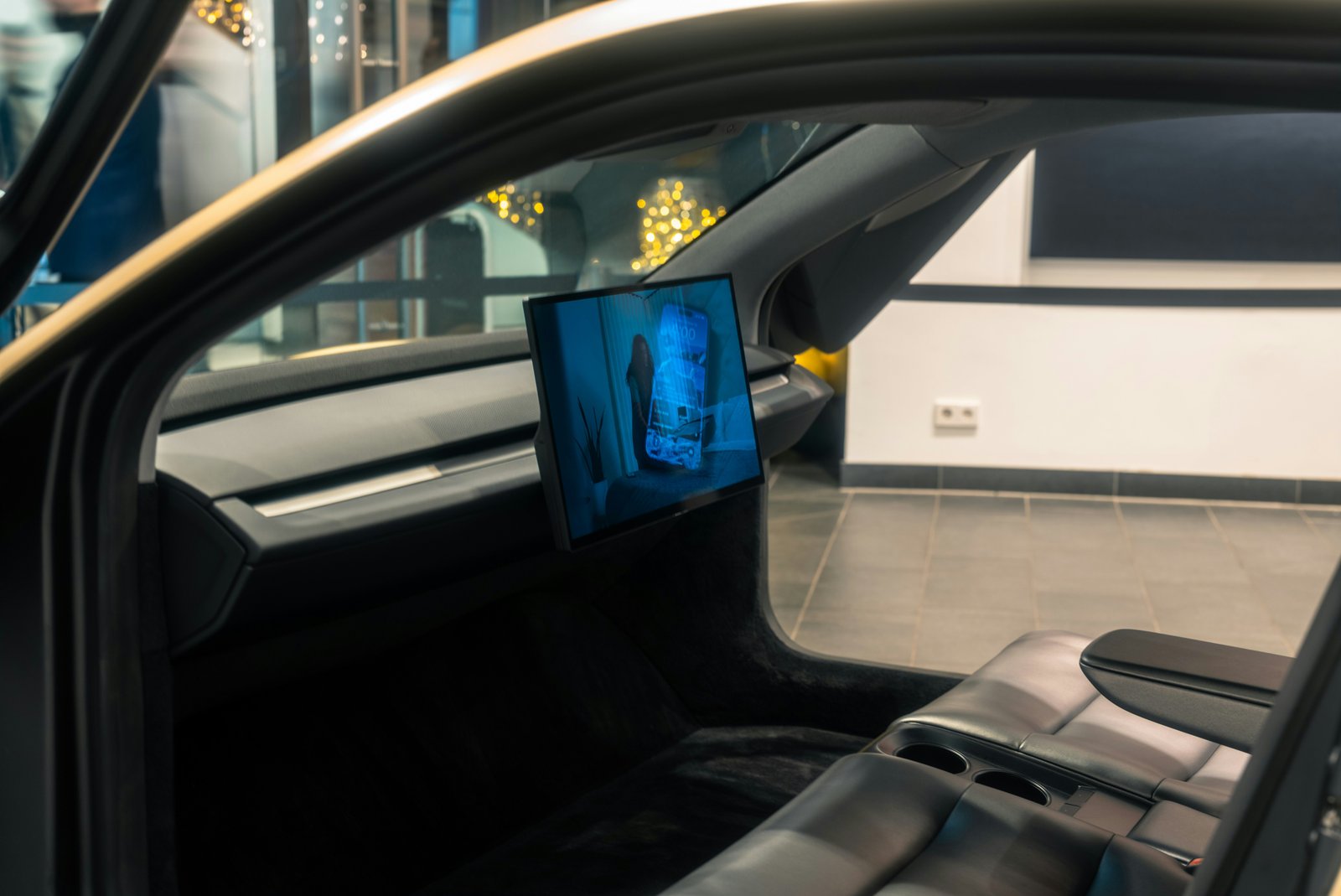
CNBC summarized the reaction bluntly: the update “underwhelmed” Wall Street, which had been relying on Tesla becoming a strong rival in the robotaxi sector, which Alphabet’s Waymo currently leads.
The Waymo Comparison
Waymo has established the operational track record that Tesla is still chasing: more than 4,000 autonomous vehicles across its US fleet and more than 500,000 fully autonomous rides per week.
Wall Street’s take was severely divided. Some analysts, including Gary Black of Future Fund, called the Cybercab debut largely a bust. Others, such as Deepwater Asset Management’s Gene Munster, predicted that Tesla will add approximately 300 Cybercabs in Austin over the next month.
The Stakes
The stakes extend far beyond a single product launch. Analysts have ascribed up to half of Tesla’s total valuation on the eventual success of its robotaxi business, implying that the market’s assessment of Cybercab’s credibility serves as an ultimatum on a significant portion of the stock’s premium.
It is also a reminder that no company in this field has yet addressed the profitability issue. Despite its ride volume advantage, Waymo remains unprofitable and capital-intensive, while competitors like Amazon’s Zoox and Uber’s collaborations with Lucid and Nuro are all still focusing on scaling rather than reaping the benefits.
Hedge fund ownership of Tesla decreased from 123 funds in the first quarter to 116 in the second, a pullback that predates this launch but represents deeper institutional caution.
Controlled Staging or Slow Start?
The case for Tesla is based on considering this launch as purposefully conservative rather than weak, echoing Gene Munster’s belief that a small, controlled rollout is a reasonable method to verify the vehicle before scaling.
Tesla’s manufacturing scale, if the Cybercab withstands regulatory scrutiny, could allow it to expand its robotaxi fleet much faster than competitors once it commits to a full ramp. The company’s brand recognition and existing customer base provide it with a distribution advantage that Waymo does not have in the same form.
However, the small initial deployment, no livestream, no executive attendance, and unresolved NHTSA scrutiny all signal Tesla is far behind where investors had expected. Waymo’s more than 4,000-vehicle US fleet and 500,000 weekly rides represent years of cumulative operating expertise that Tesla cannot simply manufacture its way past.
The Bottom Line
Tesla’s Cybercab launch in Austin underwhelmed Wall Street, with only 45 vehicles registered and no NHTSA exemption sought. The stock popped then reversed within 24 hours. Waymo remains the robotaxi leader with over 4,000 vehicles and 500,000 weekly rides. Tesla’s robotaxi business accounts for up to half of its valuation, making the Cybercab’s credibility critical. The NHTSA audit into Tesla’s self-certification could affect how quickly the company can expand beyond its small Austin deployment.