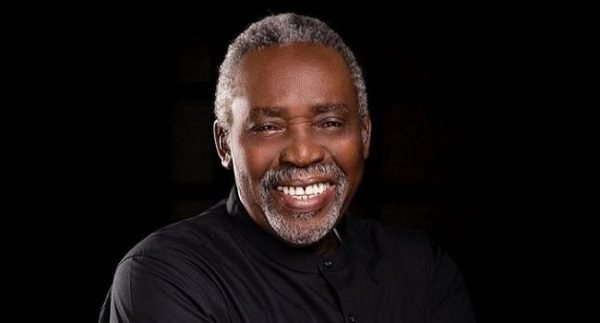

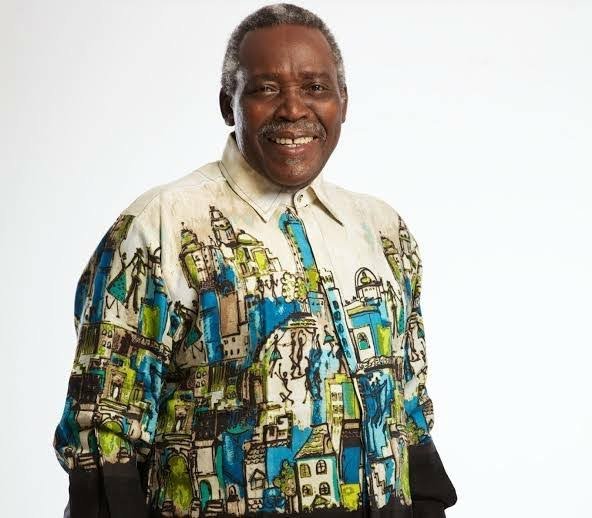
Veteran Nigerian actor Oludotun Baiyewu Jacobs, popularly known as Olu Jacobs, has died at the age of 84, following years in which false reports of his death repeatedly circulated online.
For several years, social media blogs and feeder websites had announced Jacobs’ death, only for the claims to be dismissed. This time, however, the announcement came directly from his family.
His son, Olusoji Jacobs, shared the news in a joint post with his mother and Jacobs’ wife, actress Joke Silva, yesterday.
“It is with gratitude to God for a life well lived and fought, that we announce the passing of our dear husband, father, grandfather and uncle. The Lion of Lufodo,” the post read in part.
The family announcement marked a significant difference from previous occasions when reports of Jacobs’ death were followed by denials or appearances from the actor to show that he was still alive. There was no such correction after the latest announcement.
Born on July 11, 1942, Jacobs came from an Egba Alake family and spent part of his childhood in Kano. He attended Holy Trinity School, where he took part in debating and drama.
His interest in acting grew after he watched one of Chief Hubert Ogunde’s concert parties at the Colonial Hotel in Kano.
That interest eventually took him to Britain, where he studied at the Royal Academy of Dramatic Art in London. He subsequently built an impressive career on the British stage and television before returning to Nigeria.
One of his early stage appearances came in 1972 when he featured in A Taste of Honey at the Crucible Theatre in Sheffield.
His television credits in Britain included The Goodies, Till Death Us Do Part, Barlow at Large, The Venturers, Angels, The Tomorrow People and The Professionals.
Jacobs also played President Mageeba in Tom Stoppard’s Night and Day in 1978 and appeared in international films such as The Dogs of War, Roman Polanski’s Pirates and Baby: Secret of the Lost Legend.
According to his Lufodo Group biography, his professional career also included work with institutions and companies such as the BBC, National Theatre, Royal Shakespeare Company, Universal Pictures, MGM and Walt Disney.
After returning to Nigeria in 1990, Jacobs featured in the NTA detective series The Third Eye, which became an important part of the early stage of his Nigerian career.
He later emerged as one of the most recognisable figures in Nigeria’s growing television and film industry, earning a reputation for playing fathers, elders, traditional rulers, politicians and other authority figures.
His distinctive voice and commanding screen presence became trademarks of his performances.
Jacobs appeared in more than 100 Nigerian films, including Oloibiri and The Royal Hibiscus Hotel. The Lufodo Group, which he co-founded, states that his career covered stage, film and radio, with more than 300 Nigerian movie credits.
His contribution to the development of the performing arts also went beyond acting. The Lufodo Academy of Performing Arts was established to train performers and promote professional standards across stage, television and film production.
His long career earned him several major awards and honours.
In 2007, Jacobs won the African Movie Academy Award for Best Actor in a Leading Role for Dancing Heart. He later received the Industry Merit Award for outstanding achievement in acting at the 2013 Africa Magic Viewers’ Choice Awards and an AMAA Lifetime Achievement Award in 2016.
The Federal Government also honoured him with the Member of the Order of the Federal Republic in 2011.
The actor’s later years were marked by repeated false reports of his death. In November 2021, following another wave of such reports, Jacobs made a public appearance at the Africa International Film Festival, where he received a Lifetime Achievement Award.
That appearance became one of the most notable occasions on which he personally disproved the rumours surrounding his health and alleged death.
Years later, the news of his passing has now been confirmed by those closest to him.
Jacobs leaves behind an extensive body of work and a lasting influence on Nigeria’s performing arts industry. Fondly called “Uncle Olu” by colleagues and admirers, he was not only celebrated for his performances but also remembered for his contribution to building institutions and nurturing talent within the industry.