
Recent investigative reports have caused serious global security concerns regarding whether Russian satellite intelligence to Iran played a direct role in precision strikes on American positions in the Middle East. Intelligence findings show that Moscow likely shared high-resolution tracking data to help Tehran target US military assets. Orbital records reveal that multiple spy satellites passed over key installations just days before heavy bombardments, giving Iranian forces an unprecedented tactical edge.
Russian Satellite Intelligence to Iran
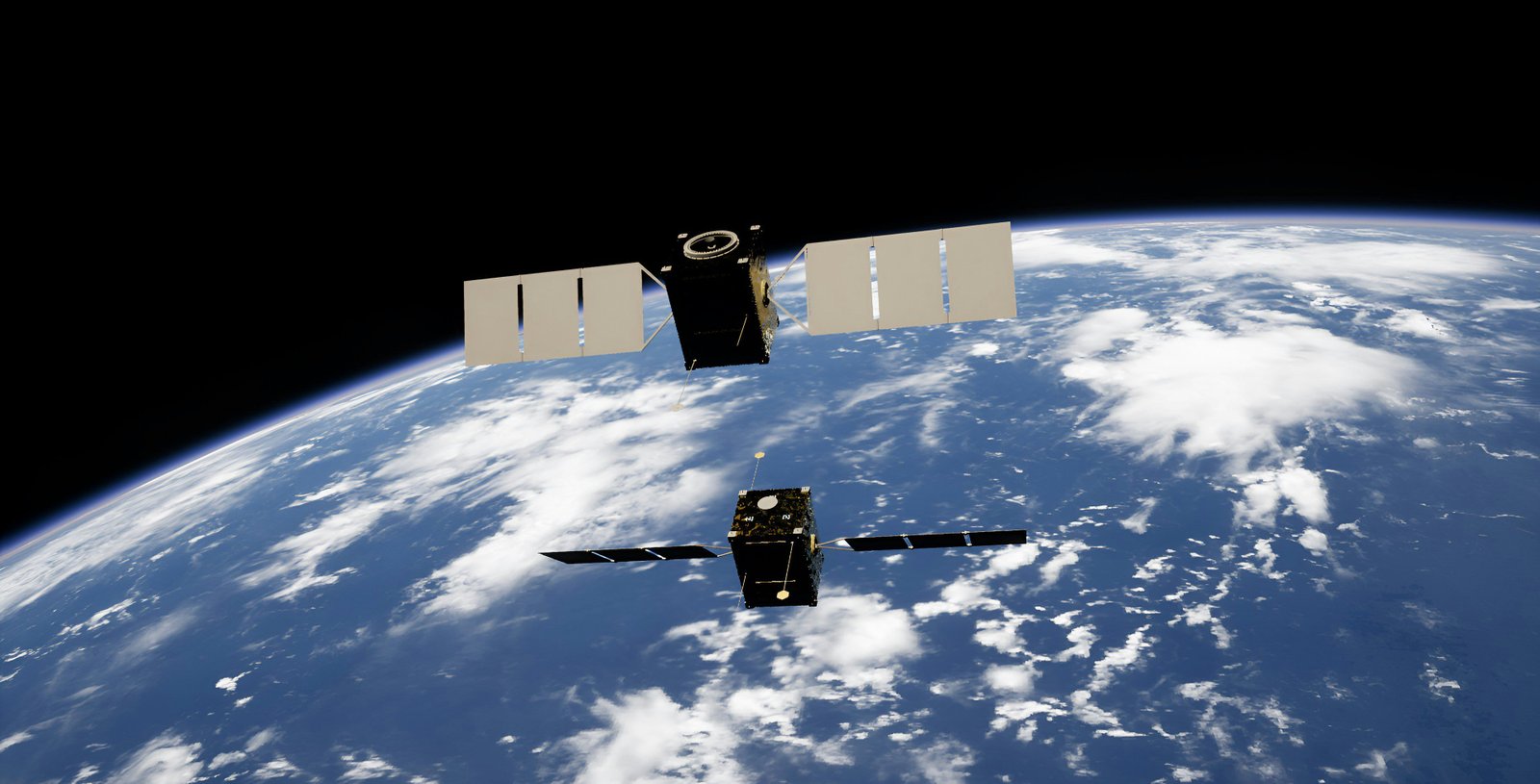
The level of coordination behind recent missile strikes points to advanced satellite surveillance data supplied by external powers. During the major strike on Prince Sultan Air Base, Iranian forces managed to hit high-value targets, including an advanced AWACS surveillance aircraft. Satellite tracking confirms that advanced spacecraft like Cosmos 2573, along with synthetic aperture radar units, swept over the region to map coordinates, track military movements, and bypass cloud cover right before the strike.
How Shared US Military Assets Data Strengthens the Moscow-Tehran Axis
This intelligence exchange marks a deep shift in the growing Middle East geopolitical alliance between Moscow and Tehran. Defense experts view these actions as direct retaliation for Western intelligence support provided to Ukraine. By feeding real-time positional data on US military assets to proxy forces and state actors, Russia has effectively transformed its spatial surveillance fleet into a key player in regional proxy warfare, threatening the long-term stability of Western defense installations.
Opinion
This strategic shift changes the rules of modern defense. When global powers share live space intelligence with regional forces, traditional air defense and secrecy lose their edge.
If satellite tracking becomes a shared commodity among allied nations, the US and its regional partners will need to rethink their defense strategies. Moving forward, protecting military bases will require more than just ground missile shields; it will demand active counter-space strategies and stronger camouflage against continuous orbital tracking.