
Sensitive components from the F-35 fighter jet were unexpectedly diverted to Hong Kong while being transported from Australia to the United States for repairs, prompting concerns in Washington that China could potentially gain access to technology used in the advanced aircraft.
The shipment was being handled by an intermediary working for F-35 manufacturer Lockheed Martin when its route was changed while it was travelling across the Pacific, according to three people familiar with the matter.
The Pentagon has confirmed that some F-35 components went missing during the shipment. The parts were later located in Hong Kong, although it remains unclear why they were diverted or who currently has custody of them, Politico reported.
The incident has triggered an inquiry on Capitol Hill, with congressional staff on key national security committees receiving briefings from officials.
State Department and Pentagon officials initially briefed congressional staff in June, while additional briefings are expected in the coming weeks as authorities investigate the circumstances surrounding the shipment.
One of the missing items was reportedly an F-35 canopy, according to two people familiar with the matter.
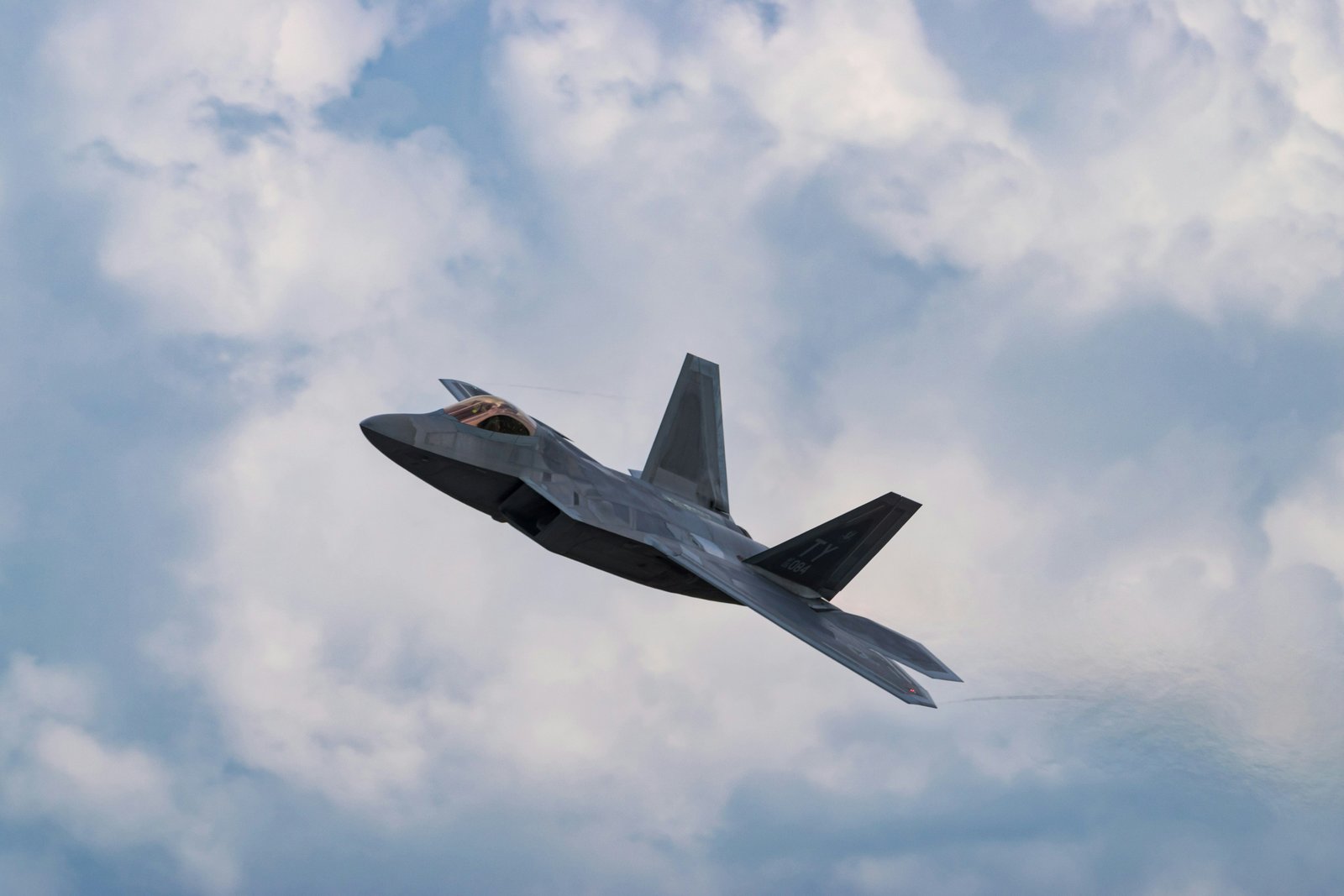
The canopy is a significant part of the aircraft’s stealth design rather than simply a protective cockpit covering. It contains technology intended to reduce the aircraft’s radar signature, meaning access to an actual component could potentially allow an adversary to examine its materials and construction.
J.J. Gertler, a former House Armed Services Committee staff member and military aviation analyst at the Congressional Research Service, said China had previously sought information about the F-35 through various intelligence-gathering methods.
“It’s no secret that China has been aggressively trying to get F-35 data through electronic espionage, among other means,” Gertler said.
He added that obtaining a physical component could provide Chinese intelligence with “even more to go on” and potentially help it confirm or improve information acquired through other sources.
The F-35 Joint Program Office confirmed that it was aware of a problem involving the shipment of aircraft components.
The office described it as “a shipment issue of unserviceable F-35 Lightning II components” and said it was working with US authorities and industry partners to recover the equipment, determine what happened and introduce additional measures to prevent a repeat of the incident.
Lockheed Martin declined to discuss the specific shipment, citing security concerns. The company said it complies with US regulations governing the transportation of aircraft components and uses safeguards designed to protect the F-35 programme and its participating allies.
The State Department declined to comment on the matter, while the Chinese Embassy said it was not aware of the incident.
The episode has also drawn attention to the complicated international supply chain supporting the F-35 programme.
The fighter programme involves the US and several allied countries, including Britain, Australia, Denmark, Norway and Poland. Spare parts are maintained at different locations around the world through a shared inventory system.
The Pentagon owns the parts until they are installed on aircraft, while Lockheed Martin maintains information about the inventory.
Australia operates F-35 maintenance facilities, although its facilities are not currently equipped to repair the aircraft’s canopies, which helps explain why damaged components may need to be transported elsewhere for servicing.
The incident also comes amid previous concerns about the Pentagon’s ability to track F-35 spare parts.
A 2023 report by the US Government Accountability Office found that more than one million F-35 spare parts had gone missing over a five-year period. The report said the Defense Department could not properly account for losses valued at tens of millions of dollars because the relevant records were maintained by Lockheed Martin rather than the government.
“The prime contractors maintain this information,” the GAO said.
The latest shipment problem adds to wider concerns about the F-35 programme’s maintenance, spare-parts management and rising costs.
The GAO has previously warned that shortages of spare parts can leave aircraft grounded, while the cost of sustaining the fleet continues to increase. Another report released this year found that the F-35 had failed to meet some performance targets and that its performance had “trended down”.
More than 1,300 F-35 aircraft have been produced for the US and its allies. The Pentagon estimates that the programme’s total lifetime cost could eventually approach $2tn.