
The Trump administration is considering whether restricting diesel exports could help bring down record-high prices for the fuel in the United States, Treasury Secretary Scott Bessent said on Tuesday.
Bessent said officials were assessing the potential impact of a complete or partial export ban, including whether US refineries have enough capacity to meet domestic demand if exports are reduced.
“We’re examining whether it’s feasible in terms of the overall refining capacity and whether a full or partial ban would work,” Bessent told reporters during a bilateral meeting between President Donald Trump and Ukrainian President Volodymyr Zelenskyy at the United Nations.
Trump said the administration would reach a decision quickly on whether to introduce restrictions, adding that he had already raised the proposal with his officials.
The President said he wanted the US to retain more of the diesel it produces instead of sending it abroad.
“I’ve said let’s not send out the diesel. We make a lot of diesel,” Trump told reporters.
Trump has also said a decision would be made “fast one way or another” on the proposed export ban.
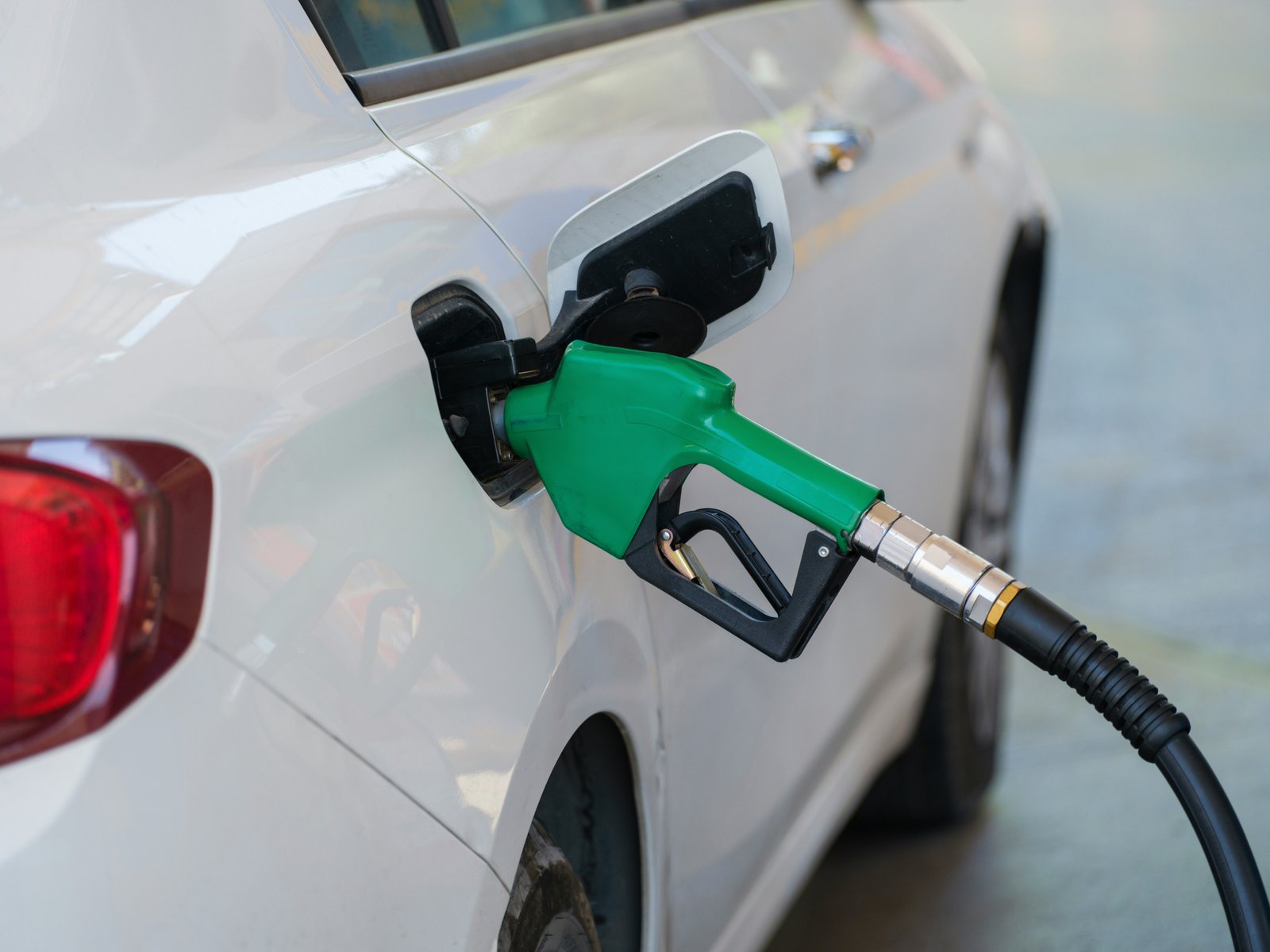
The possibility of restricting exports comes as diesel prices have climbed sharply, putting additional pressure on farmers, truck drivers and other fuel-dependent businesses.
Republican lawmakers, including Senator Chuck Grassley of Iowa, have backed calls for an export ban as high fuel costs affect consumers and businesses ahead of the November midterm elections.
According to AAA data, the average price of diesel in the US has reached a record $6.53 per gallon, about $2.84 higher than it was during the same period last year.
California has recorded even higher prices, with diesel selling for an average of $8.44 per gallon.
The surge in prices has been linked to disruptions to global refining capacity caused by conflicts in Eastern Europe and the Middle East.
Ukraine’s attacks on Russian refineries have contributed to Moscow imposing a ban on diesel exports, while refineries in the Middle East have also been affected by attacks involving Iran and its allies.
Meanwhile, shipments of refined petroleum products through the Strait of Hormuz have been disrupted by Iranian threats against tankers, further tightening global supplies.
With international supplies under pressure and diesel prices rising, US refiners have increased exports of the fuel, taking advantage of elevated profit margins.
The administration’s consideration of an export ban is therefore centred on whether keeping more US-produced diesel at home could ease domestic prices without creating additional pressure on the country’s refining capacity.