
Israel is facing the prospect of weeks of water shortages after an unusually large algae bloom disrupted operations at several major desalination plants, with scientists linking the environmental crisis to the destruction of Gaza’s wastewater infrastructure.
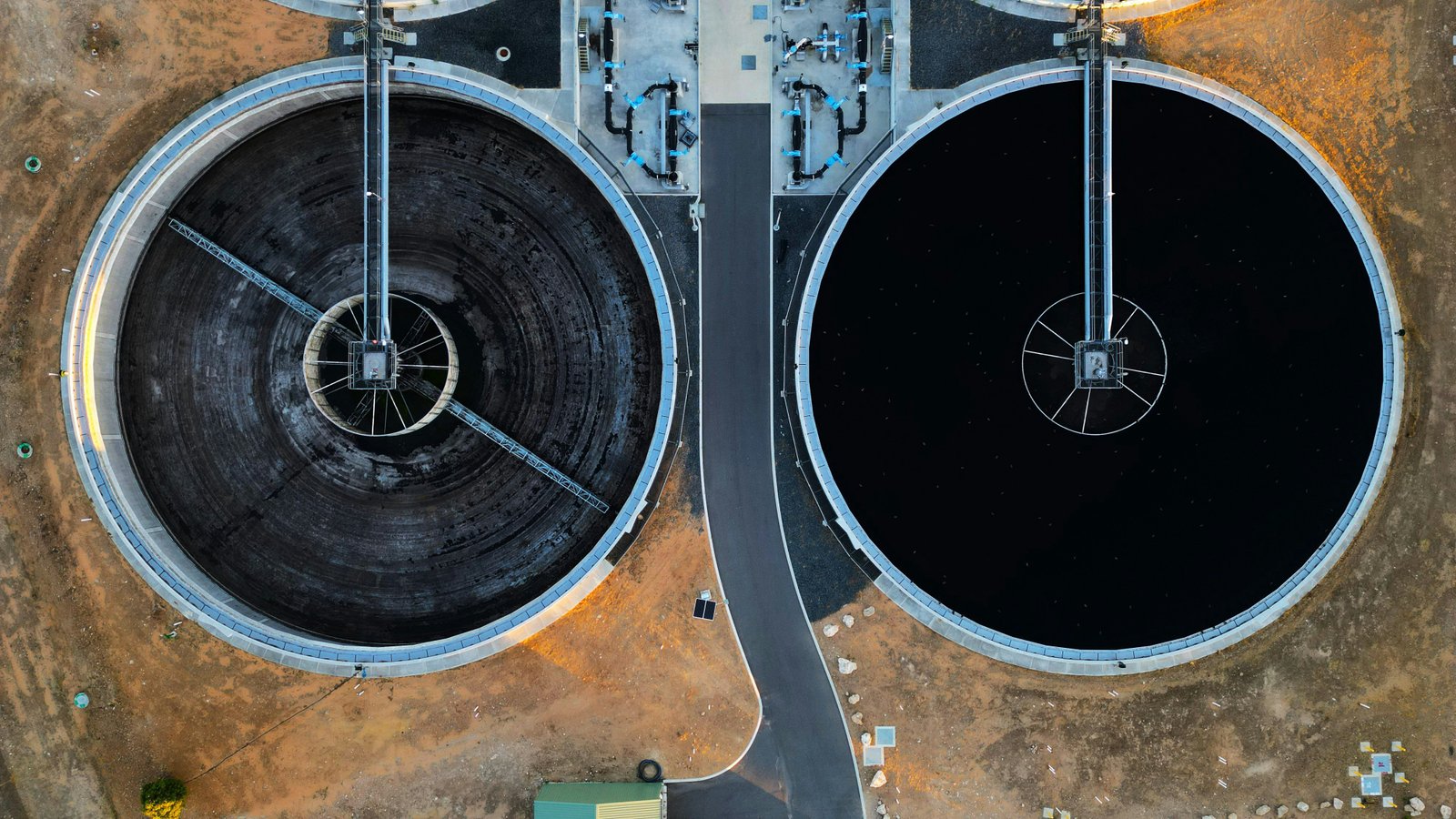
The bloom, which stretches for up to 60 miles (100km), has clogged filtration systems at five of Israel’s six main desalination facilities. The plants were forced to shut down for several days and have since resumed operations at reduced capacity.
Environmental experts say untreated sewage flowing from Gaza into the Mediterranean is contributing to conditions that encourage the rapid growth of microalgae and cyanobacteria.
“Pollution does not recognise political borders,” said the Zalul Environmental Association, an Israeli NGO dedicated to protecting the country’s seas and shores. “The discharge of untreated sewage from the Gaza Strip into the sea is contributing to the worsening crisis affecting the Israeli desalination facilities. The wastewater contains nutrients such as nitrogen and phosphorus, which feed microalgae and cyanobacteria and may intensify their blooms.”
The disruption comes amid the continuing water and sanitation crisis in Gaza, where much of the wastewater infrastructure has been damaged or destroyed during the conflict.
The environmental impact of the destruction is now being felt on the Israeli side of the border, experts said, highlighting the interconnected nature of the region’s water and marine systems.
“The discharge of untreated sewage from Gaza into the sea increases risks to Israel’s water production infrastructure along the southern Mediterranean coast,” said Jack Gilron, a professor emeritus and desalination expert at Ben-Gurion University’s Zuckerberg Institute for Water Research.
“The current incident reinforces the need to prepare against threats to one of Israel’s main sources of drinking water.”
According to a report by Médecins Sans Frontières, Israeli bombardment since October 7, 2023, has destroyed 90 per cent of Gaza’s water and sanitation infrastructure. The report said wells, water carrier lines, reservoirs and desalination units have been directly hit.
Gaza’s water supply was already under severe pressure before the war. Around 80 per cent of the territory’s water previously came from an aquifer beneath the coastal strip, but the source has become contaminated by seawater and wastewater and is no longer suitable for human consumption.
Desalination plants and three pipelines operated by Israel’s water authority supplied much of Gaza’s drinking water before the conflict. The pipelines were cut at the beginning of the war and have only been partially restored.
Damage to water distribution networks has also forced large sections of the population to depend on water trucks.
For residents, the shortage often means choosing between using water for drinking and reserving it for basic hygiene, increasing the risk of disease. Acute diarrhoea remains among the major causes of illness.
“We carry water in jerry cans,” said Nas al-Barawi, 34, a mother of five from Beit Lahia. “We walk with heavy containers or wait for hours in queues. Much of the water is unsafe, and children suffer recurring stomach infections, diarrhoea and skin rashes. Damaged sewage networks and failed pumps have also left wastewater flowing between tents and through residential areas.”
The wastewater situation is also placing additional pressure on Gaza’s coastline and groundwater.
Omar Shatat, deputy executive director of the Coastal Municipalities Water Utility in Gaza, said all five wastewater treatment plants in the territory were out of service.
He estimated that around 45,000 cubic metres of untreated sewage were entering the Mediterranean every day, while another 15,000 cubic metres of untreated waste were seeping into groundwater through soakaway pits, particularly in informal camps in al-Mawasi.
“This is a catastrophic situation environmentally and from a public-health perspective,” Shatat said. “The sea is heavily polluted, and the first people affected are Gaza’s residents and displaced people because they are in direct contact with the highest concentrations of sewage.”
Pat Griffiths, spokesperson for the International Committee of the Red Cross in Gaza City, warned that the situation could deteriorate further as winter approaches.
“Palestinians live surrounded by wastewater. It’s all around them. It’s where they eat, where they get water, where they walk,” he said.
Residents in al-Mawasi have also described stagnant water and worsening sanitation conditions.
Shaimaa al-Katari, 37, who was displaced to the area, said: “We have nowhere to dispose of the water from washing dishes and clothes. We have to let it run into the street, which causes pools of stagnant water to form. Algae and mosquitoes then spread around them and the streets become dirty. We suffer from foul smells, mosquitoes at night and flies during the day, as well as rodents.”
Rats have also become a growing problem in parts of Gaza, where raw sewage and accumulating rubbish around crowded displacement camps provide conditions in which rodents can thrive.
Environmental groups have warned that the consequences could extend beyond Gaza and Israel.
“The consequences [of the war] do not stop at the border,” said Nada Majdalani, the Palestine director of EcoPeace Middle East, an environmental peacebuilding organisation. “We are already seeing an increase in hepatitis A in Gaza. I believe we are on the verge of a catastrophe. And a serious outbreak in Gaza would not necessarily remain within Gaza’s borders.”
In Israel, authorities have urged residents to use water “judiciously” while desalination capacity is being restored.
Water supplies have been reduced in parts of southern Israel, while farmers have reportedly been instructed to suspend irrigation. Economists have warned that the disruption could contribute to higher food prices.
Zalul and EcoPeace have called on Cogat, the Israeli agency responsible for administering Gaza, to assist in restoring the territory’s sewage infrastructure and permit wastewater treatment in areas under Israeli control.
Zalul warned that continued marine pollution could eventually affect other parts of Israel.
“If the pollution continues, its impact could eventually be felt throughout the country. When the marine environment is contaminated, both people and nature suffer. Regardless of which side of the border they are on.”