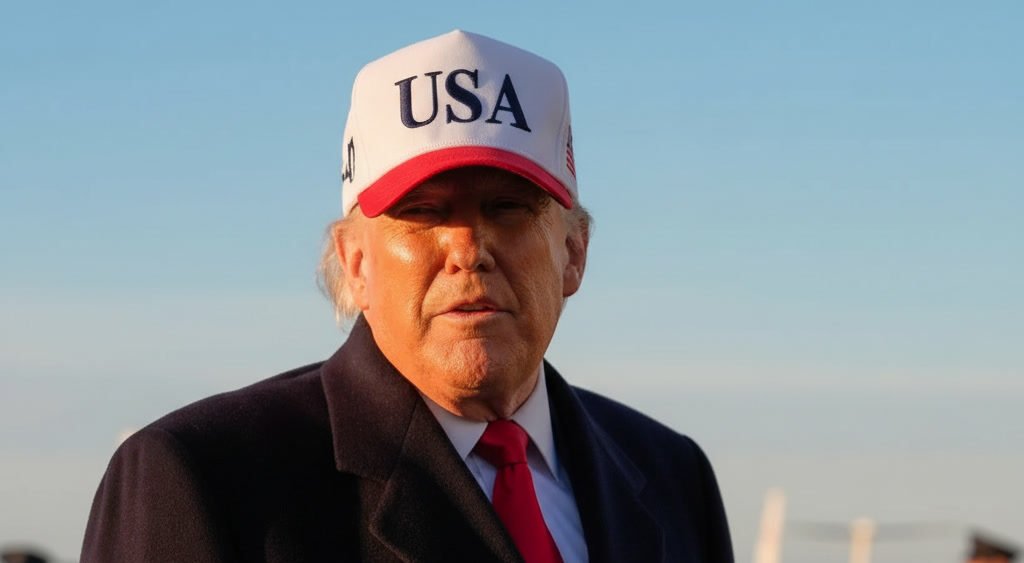

Seven months into the conflict, families across America are feeling the squeeze every time they buy groceries or fill up their cars, leaving many voters asking: Is Trump’s Iran war destroying the U.S. economy? Before military strikes began late last February, the country was heading toward cheaper fuel, lower borrowing costs, and cooling prices. Today, that progress has turned around completely. Fuel costs have surged, inflation has jumped back up to 3.4%, and mortgage rates have climbed above 7%. While positive signs like low unemployment and record median household incomes still exist, higher daily living expenses are making it harder for average households to stretch their paychecks.
How Seven Months of Conflict Changed Fuel, Inflation, and Mortgages
The economic shifts over the past seven months show how quickly global conflicts can hit home. Energy costs have jumped across the board, with ordinary gas rising from under $3 to around $4.50 a gallon, while diesel hit a record high above $6.50. Because shipping goods costs more, everyday prices have crept higher, leading the Federal Reserve to raise interest rates for the first time since 2023. Higher benchmark rates have pushed 10-year Treasury yields near 5% and sent 30-year home mortgages over 7%, making home purchases far more expensive. Although AI investments have helped keep the stock market relatively steady, rising daily expenses continue to push consumer confidence down to near-record lows.

Opinion
Looking at these numbers shows how quickly military conflict can undo hard-won financial progress for regular households. Ask anyone filling up their tank or trying to buy a home, and the question of whether Trump’s Iran war is destroying the U.S. economy feels like a real daily struggle rather than an abstract political debate. Higher diesel prices mean higher shipping costs for everything from food to building supplies, hitting families at the grocery store checkout long before political debates reach a conclusion.
While leaders often promise quick solutions, long conflicts create deep financial uncertainty that makes businesses hesitant to hire and everyday families afraid to spend. Warm political statements don’t pay for rising utility bills or cover higher interest payments on mortgages. Real financial health depends on stability and affordable living costs. Until foreign policy prioritizes long-term economic stability over prolonged conflict, working families will keep bearing the financial brunt. Whether Trump’s Iran war is destroying the U.S. economy comes down to whether the U.S. can stabilize energy markets and bring borrowing costs back down. Until fuel costs level off and interest rates ease, working families will continue to navigate tough choices around their monthly budgets.