
Three counties along Florida’s Gulf Coast have declared local states of emergency as locally acquired cases of dengue fever surge to unprecedented levels. Centered in the Tampa Bay area, this ongoing surge has become the state’s largest on record, with Hillsborough, Pasco, and Pinellas counties sounding the alarm over rising transmission rates.
The outbreak has reached nearly 200 locally transmitted cases statewide, with Hillsborough County accounting for the vast majority and has already claimed its first life, an 80-year-old Tampa woman. Public health experts emphasize that while mosquito-borne viruses are common in tropical regions, the sudden emergence of active local transmission in major urban centers raises pressing questions about whether U.S. health officials are properly prepared for expanding tropical disease risks.
Three Tampa Bay Counties Declare Local States of Emergency
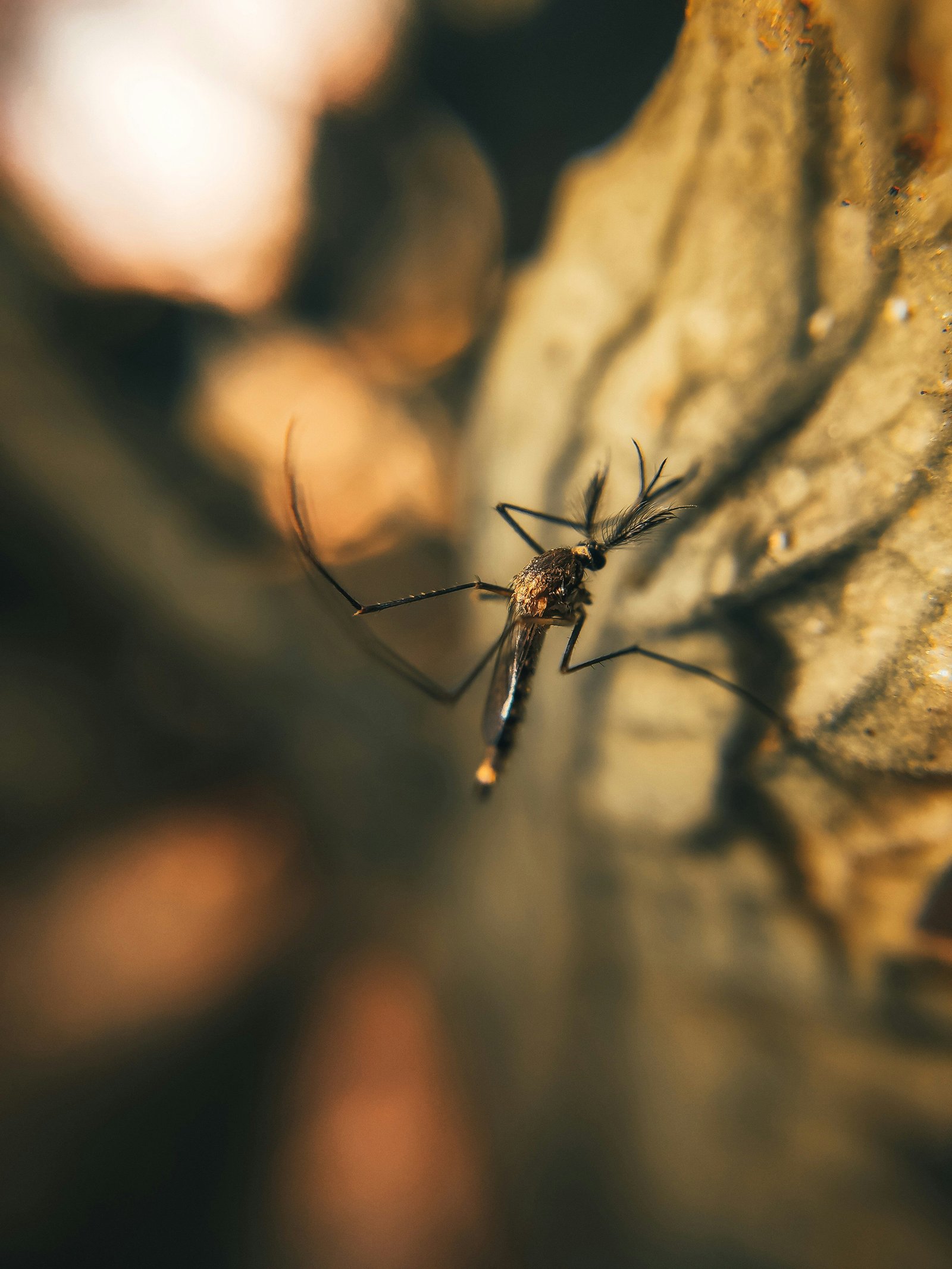
The emergency declarations in Hillsborough, Pasco, and Pinellas allow local governments to bypass administrative hurdles, freeing up emergency funds for immediate spraying and vector management operations. Unlike typical travel-related cases where visitors catch the virus overseas, these infections are locally acquired, meaning Aedes aegypti mosquitoes are actively picking up and spreading the virus within local neighborhoods.
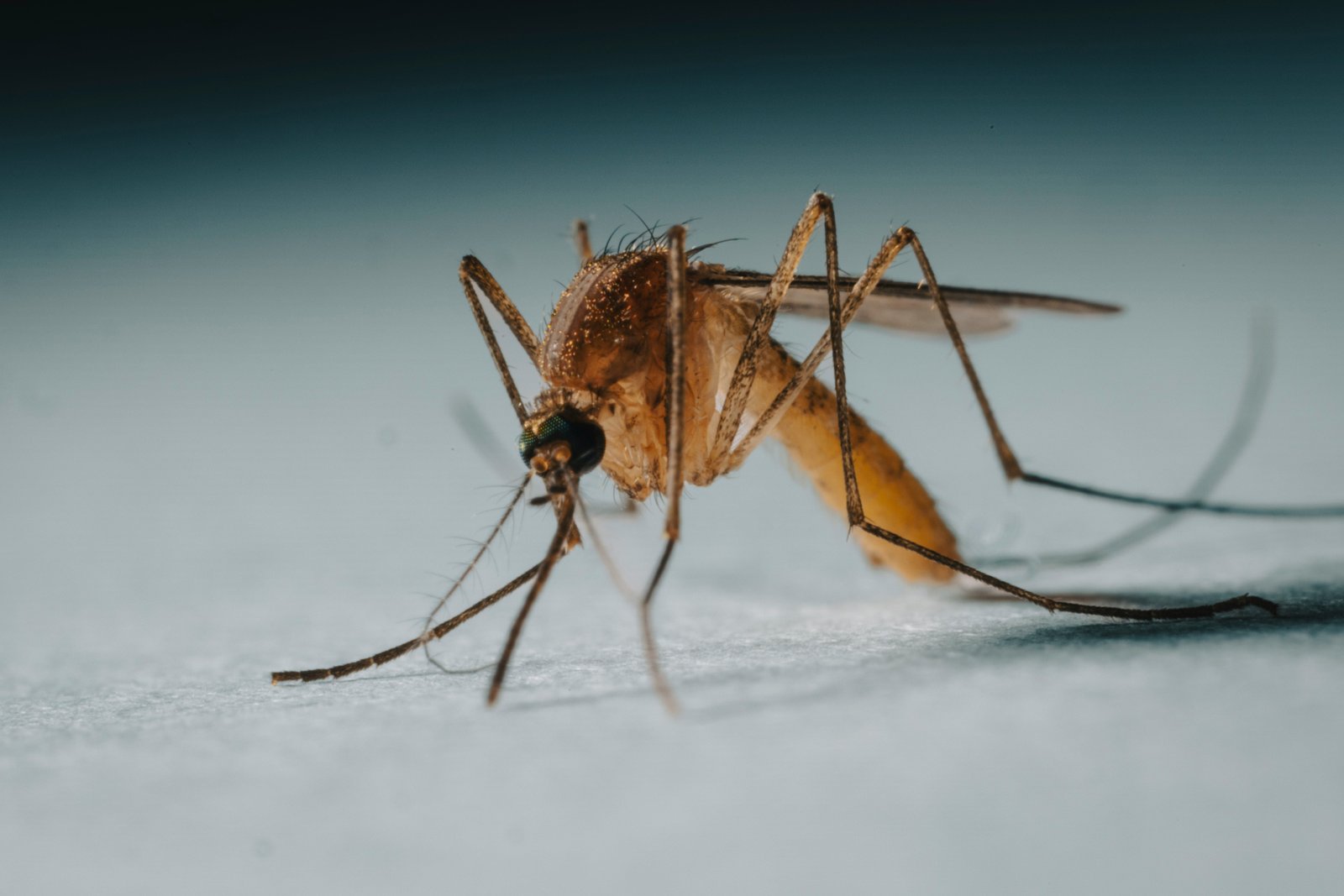
Public health crews have ramped up both ground-truck fogging and aerial treatments to suppress adult mosquito populations. Officials are urging residents to take direct personal precautions, such as draining standing water in yards, wearing long sleeves, and applying EPA-approved insect repellents, since Aedes mosquitoes feed heavily during daytime hours.
Climate Pressures and Health System Preparedness
Epidemiologists point to a combination of unusually heavy seasonal rainfall, persistent summer heat, and expanding urban habitats as key factors fueling the current mosquito surge. While dengue causes mild symptoms or no symptoms in many people, severe cases can lead to dangerous internal bleeding, rapid shock, organ failure, or death. The sudden spike in clinical visits across Gulf Coast hospitals highlights a broader systemic issue: many U.S. medical providers are not accustomed to spotting tropical viral infections early. As warming weather patterns push disease vectors further north, health experts warn that emergency mosquito spraying alone is a temporary fix, demanding stronger nationwide surveillance, faster diagnostic testing, and long-term public infrastructure upgrades.
Opinion
The unprecedented spike in locally transmitted dengue fever in Florida serves as a wake-up call for public health systems across the United States. For decades, tropical vector-borne diseases were viewed primarily as external risks affecting international travelers. However, seeing local mosquito populations actively spread the virus through suburban neighborhoods proves that changing climate conditions are shifting disease boundaries directly into American backyards.
Relying on emergency declarations after local transmission gets out of hand is a reactive strategy that puts vulnerable residents at unnecessary risk. When counties are forced to rush emergency funding for basic mosquito spraying, it shows that routine surveillance and vector suppression programs were underfunded to begin with.
Furthermore, clinical preparedness remains a major blind spot. Most healthcare providers in temperate regions are trained to look for standard seasonal illnesses like flu or COVID-19, often missing early signs of dengue, such as severe eye pain, sudden joint aching, or low blood platelet counts. To keep communities safe, federal and state agencies must invest in continuous vector monitoring, educate local medical staff on tropical symptoms, and modernize drainage infrastructure. Treating tropical disease prevention as an ongoing priority rather than an occasional emergency is the only way to protect public health moving forward.