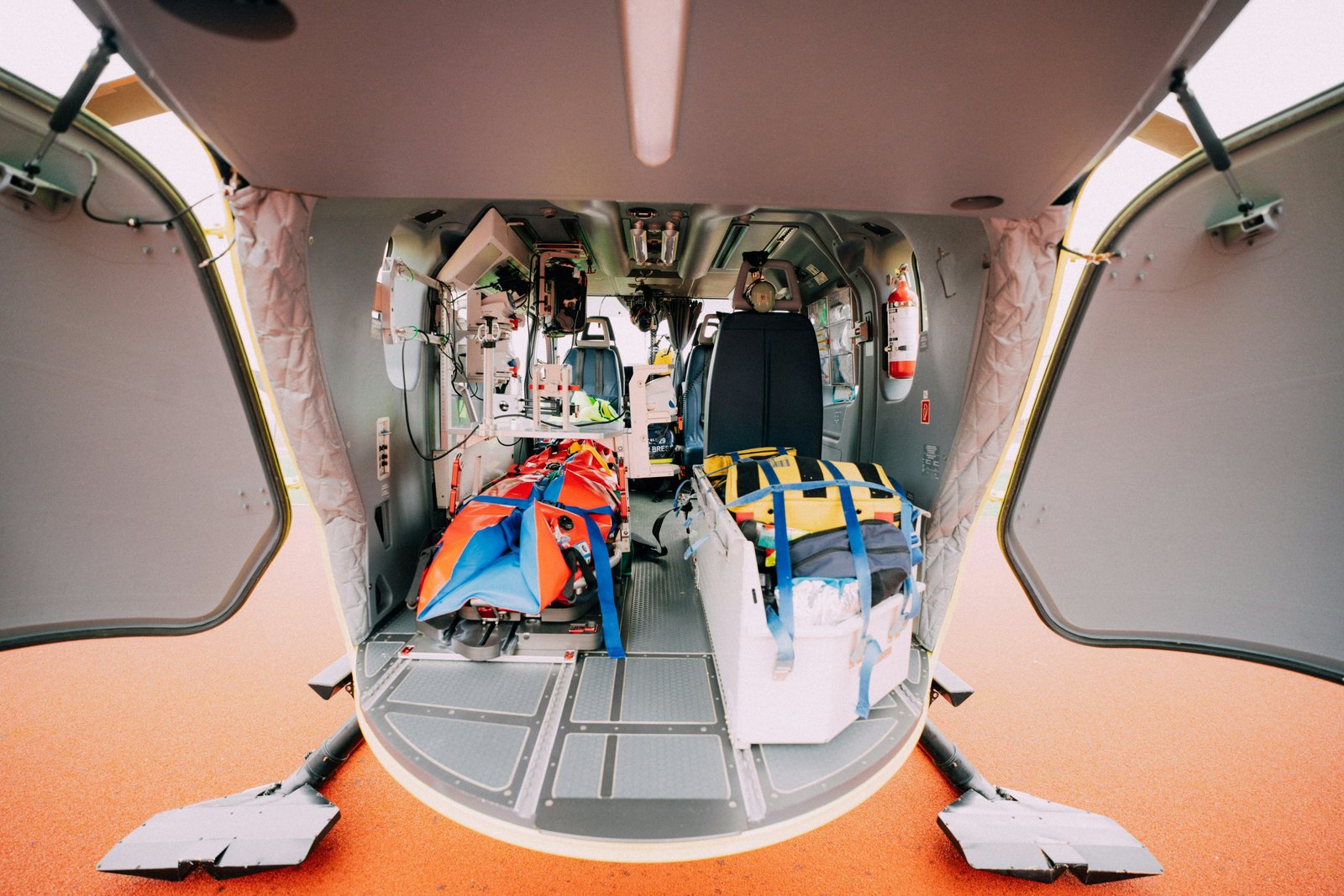

An emergency search is underway for missing medical jet personnel, and patients began early Saturday morning after a Canadian-registered air ambulance vanished over the Atlantic Ocean near Nantucket. The Federal Aviation Administration (FAA) and the U.S. Coast Guard launched immediate air and sea rescue operations after losing all radio and radar contact with the Gulfstream G-100 aircraft around 1:00 a.m. local time. The plane had six people on board, including four Canadian crew members and two patients who were Bermuda nationals.
Sharp Altitude Loss and Missing Flight Contact
The flight, operated by Latitude Air Ambulance, departed Bermuda’s L.F. Wade International Airport at approximately 11:40 p.m. on Friday night. Flight tracking data from FlightAware shows that about 1 hour and 45 minutes into the journey, the aircraft experienced a sudden and steep descent, dropping from 24,000 feet down to 11,000 feet before its signal completely disappeared from radar screens. The jet was scheduled to land at Boston’s Logan International Airport around 1:30 a.m. to deliver the patient for medical treatment.

Search Operations Off Nantucket
Multiple military and civilian rescue units have deployed off the coast of Nantucket to locate any sign of the missing aircraft. The U.S. Coast Guard Northeast District confirmed that search teams are using specialized equipment, including an HC-144 Ocean Sentry aircraft, an HC-130 Hercules plane, an MH-60 Jayhawk helicopter, a 47-foot Motor Lifeboat, and the fast response cutter William Sparling.
Representatives from Latitude Air Ambulance stated they are working closely with Transport Canada and U.S. authorities while hoping for a safe outcome for everyone on board.
My Opinion
This disappearance is a heartbreaking reminder of how delicate medical transport flights can be, and it tells us the urgent need for better safety technology over open ocean waters.
Everyone on that plane, from the flight crew and medical personnel to the sick patient and their family is working under incredible stress. Seeing an air ambulance drop thousands of feet in just minutes without warning shows how quickly things can go wrong far out at sea.
Medical transport companies perform life-saving work every single day, but events like this show why continuous, satellite-based flight data tracking is so essential. When a plane loses contact over the ocean, rescue crews need exact, real-time location data rather than general radar estimates to find survivors as fast as possible. As the Coast Guard continues its search effort, the aviation community must look closely at what caused this rapid descent so we can protect future crews and patients who rely on emergency air transfers.