For Samantha Chimbuya, returning to Zimbabwe meant starting over after years of building a life in South Africa.
The 30-year-old Zimbabwean moved to South Africa in 2019 in search of better opportunities. She eventually found employment, was able to provide food for her family and believed her two children had access to better educational opportunities. She also had access to healthcare.
However, growing anti-immigrant sentiment eventually made her feel unsafe.
As June 30 approached, a deadline issued by anti-immigrant activists for undocumented migrants to leave South Africa, Chimbuya packed her belongings and returned to Zimbabwe.
“It was not safe any more. They were raiding our homes, warning us to leave. It was scary,” Chimbuya told Al Jazeera.
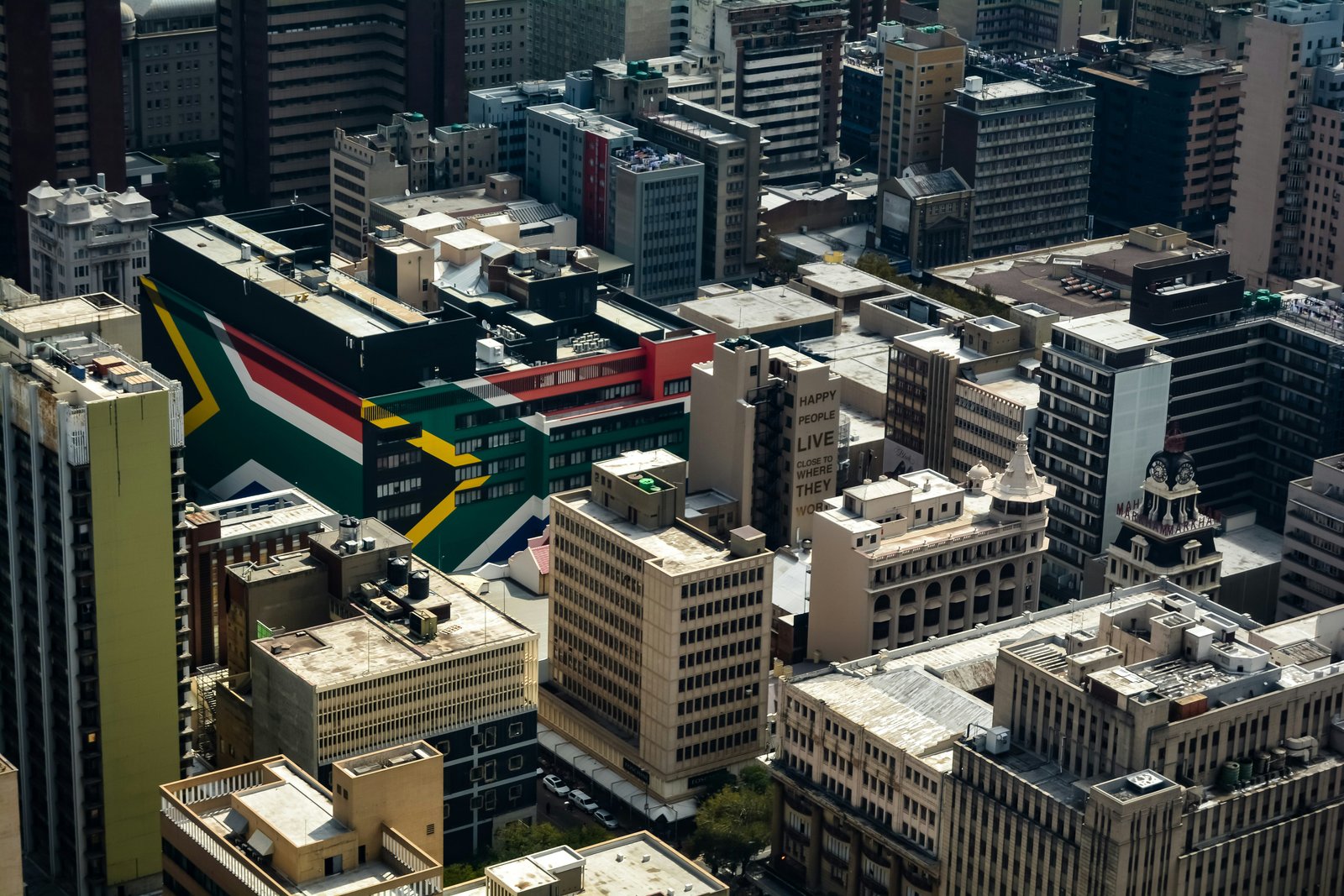
She was living in KwaZulu-Natal when anti-immigrant protests intensified. One of the groups involved, March and March, accused undocumented foreigners of taking jobs from South Africans and placing additional pressure on public services.
The June 30 deadline was not issued by the South African government. Authorities said the date would be treated like any other day and warned against intimidation and violence. Nevertheless, thousands of migrants returned home amid fears that the situation could deteriorate.
Some governments arranged transportation for their citizens, while others made their own way home. Chimbuya paid for her journey to Hurungwe in northern Zimbabwe.
Zimbabwean Information Minister Zhemu Soda said that by July 28, about 116,670 Zimbabweans had returned from South Africa. Government assistance was provided to 36,940 of them, while 79,730 returned independently. Another 38,057 had registered for employment.
Difficulties after returning
Back in Zimbabwe, Chimbuya has been confronted with many of the economic challenges that initially drove her to South Africa.
She has struggled to secure employment and now depends on relatives and friends for assistance. Her husband remains in South Africa, where she said he is also facing difficulties.
Chimbuya had hoped to obtain a grant that would enable her to establish a small business, but said she was yet to receive one.
Reverend Useni Sibanda, executive director of the Zimbabwe Christian Alliance, said many returnees had spent several years outside the country and were coming back without jobs or sufficient support.
He said some had failed to invest in homes or other property in Zimbabwe during their time abroad, leaving them with few resources to rely on after their return.
“They are coming back to a country where there are no jobs and where the social support systems may not be enough to accommodate them,” Sibanda said.
The Zimbabwean government says it is taking steps to assist the returnees.
Local Government Minister Daniel Garwe said authorities were screening and profiling those returning to establish their skills and identify their needs.
He said reintegration centres were being established, while the Ministry of Primary and Secondary Schools was considering employing qualified teachers among the returnees.
Garwe also said businesses were being encouraged to employ skilled Zimbabweans who had returned from South Africa. Vocational training and assistance for those interested in establishing businesses were also being considered.
For some returnees, however, skills acquired during their time in South Africa have provided an opportunity to rebuild their livelihoods.
Starting again
Sidney Bunya, from Zvimba, northeast of Harare, left Zimbabwe in March 2020 because of the economic situation.
He initially moved to Johannesburg, where he worked different jobs before relocating to Port Elizabeth. There, a cousin introduced him to professional carpenters.
Bunya developed his carpentry skills and eventually began securing major projects, specialising in roof trusses.
However, his situation changed in 2026 when groups demanding immigration permits began raiding his workplace. With only his passport, he said employers became increasingly reluctant to hire him because of the harassment.
He purchased carpentry equipment, sent the tools to Zimbabwe and returned home before the June 30 deadline.
Using his savings, Bunya established a carpentry business in Zimbabwe. The business has since grown enough to support his family and employ five people.
“It was difficult to set up the business. But I am getting more jobs now,” Bunya said.
Churches have also stepped in to support some returnees. Motsi said religious organisations had partnered with businesses to provide training in areas including welding, carpentry and computer science.
Calls for sustained support
Church organisations have provided assistance to some returnees through food, accommodation and transportation. However, Ray Motsi, president of the Theological College of Zimbabwe, said the scale of the needs remained overwhelming.
Motsi criticised the government for what he described as insufficient support for people who had spent years abroad and were now attempting to settle back into Zimbabwe.
“We need a deliberate programme to reintegrate these people,” Motsi said, stressing that returnees required more than transportation back across the border.
Human rights activist Rashweat Mukundu also called for longer-term government assistance.
He said returnees should have access to measures such as small business grants, agricultural inputs and machinery to help them establish sustainable sources of income.
According to Mukundu, the challenge goes beyond helping Zimbabweans cross the border. The greater task is ensuring that those who return can achieve economic stability and rebuild their lives.
For Chimbuya, however, the immediate challenge remains finding a way to support her family after returning home.
“I plan to open a grocery store, but funding is a challenge.”