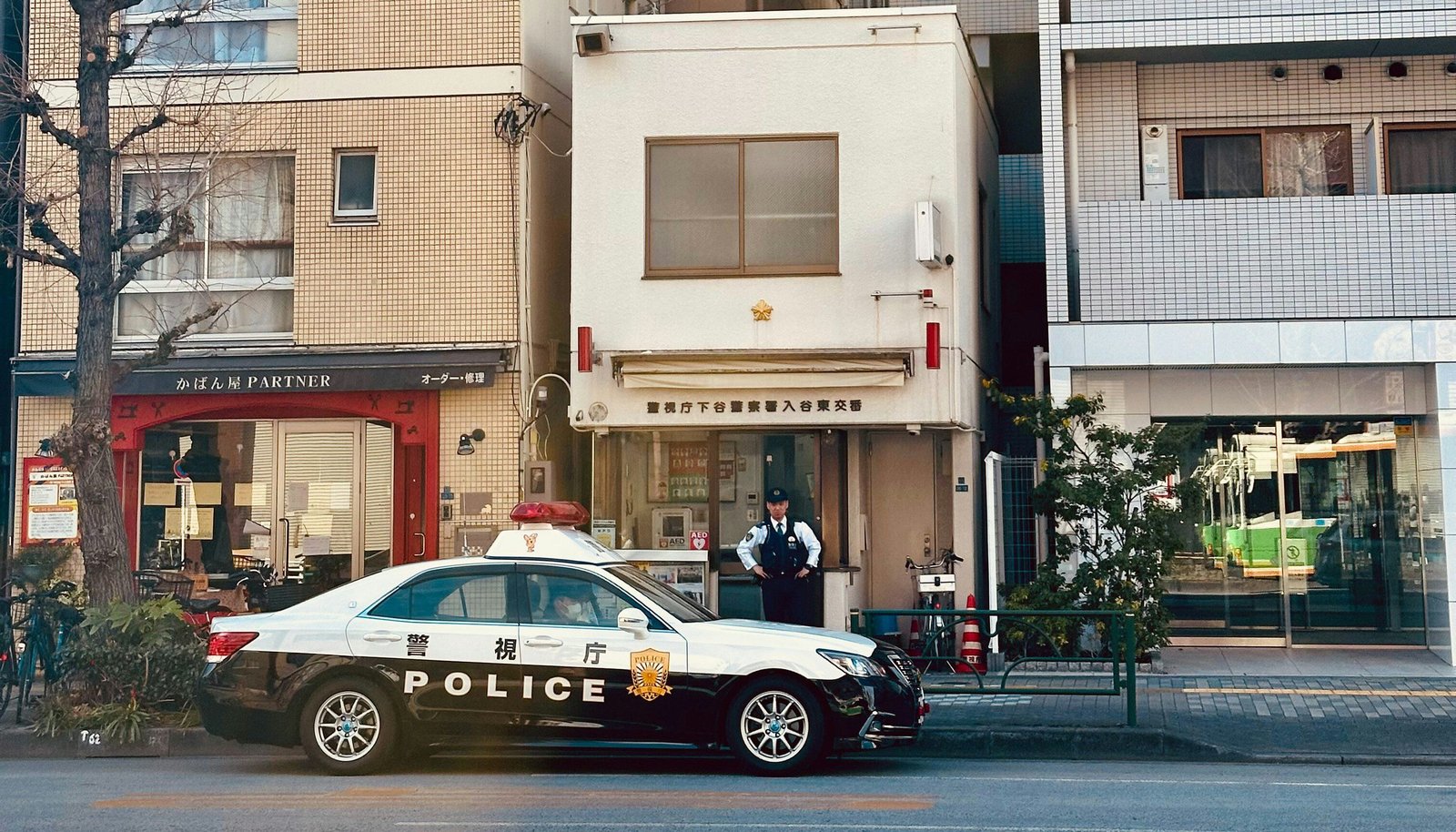

The arrest of a U.S. Marine on Sunday morning over a hotel murder in Naha, Okinawa, has reignited intense local outrage and triggered a formal diplomatic dispute between Tokyo and Washington. Police in Japan’s southernmost island prefecture took 20-year-old Lance Corporal Devin Jacob Ballard into custody after finding 39-year-old Anna Yagi dead inside a local hotel room. Investigators suspect that Ballard killed Yagi early Saturday before taking her wallet and backpack and leaving the building. Security camera footage near the scene captured a foreign man entering the hotel room with the victim and departing shortly after, leading officers to track down Ballard and bring him in for questioning. Although the suspect has denied the allegations, his arrest has forced top American diplomats to offer immediate public apologies as Japanese officials voice strong outrage over repeated crimes linked to foreign troops.
Diplomatic Fallout and Official Responses
The news triggered swift pushback from the highest levels of the Japanese government. Prime Minister Sanae Takaichi called the crime “exceptionally brutal and vicious,” revealing that her administration lodged an immediate protest with U.S. authorities while demanding full transparency and complete cooperation with local investigators. Defense Minister Shinjiro Koizumi echoed those feelings, pointing out that violent offenses involving American service members cause deep fear throughout local neighborhoods and cannot be tolerated.
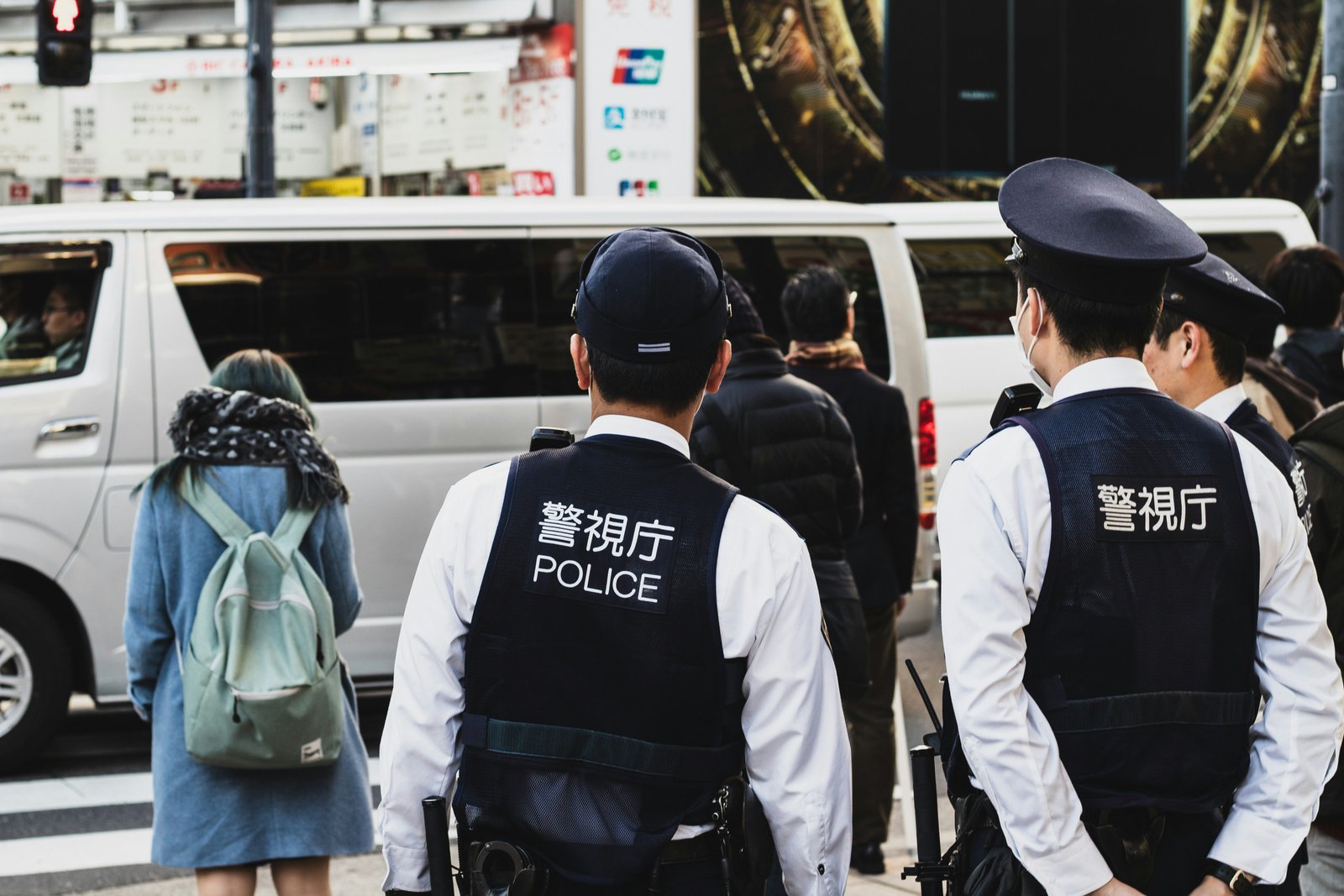
U.S. Ambassador George Glass confirmed he spoke directly with Japan’s foreign ministry and Okinawa’s leadership to offer condolences and promise total support throughout the ongoing police investigation. Meanwhile, representatives from the III Marine Expeditionary Force at Futenma Air Station, where Ballard is stationed, stated that the military takes the charges very seriously and expects every troop to maintain the highest personal conduct.
Grief and Rising Tensions Over the U.S.
For the family of Anna Yagi, the incident is an unthinkable loss. Speaking through local police, her brother expressed profound grief, sharing that their parents are utterly heartbroken over losing their daughter so suddenly. Newly elected Okinawa Governor Genta Koja expressed the collective shock felt across the island, remarking that residents are exhausted by the fear of living alongside foreign bases and calling the incident “absolutely unforgivable”.
Okinawa hosts most of the roughly 54,000 American military personnel stationed in Japan. Violent crimes, drunk-driving incidents, and sexual assaults committed by service members have remained a persistent issue for decades, with prefectural police recording over 100 arrests related to base personnel and their families last year alone. Despite repeated promises from Washington to tighten discipline, this latest death has reopened deep wounds across the island, leading many residents to question how long these base agreements can continue without serious reform.
My View
A defense alliance built on mutual respect cannot survive when one partner constantly bears the human cost of the other’s misconduct.
For decades, residents on Okinawa have lived with the heavy footprint of foreign bases, bearing noise, safety risks, and periodic waves of terrible violence. Every time an incident like this happens, military leaders offer formal apologies, pledge cooperation, and promise stricter discipline. Yet the cycle continues, leaving local communities feeling unsafe in their own towns. True security is not just about strategic force positioning; it is about protecting the daily lives and dignity of the civilians who host those forces.