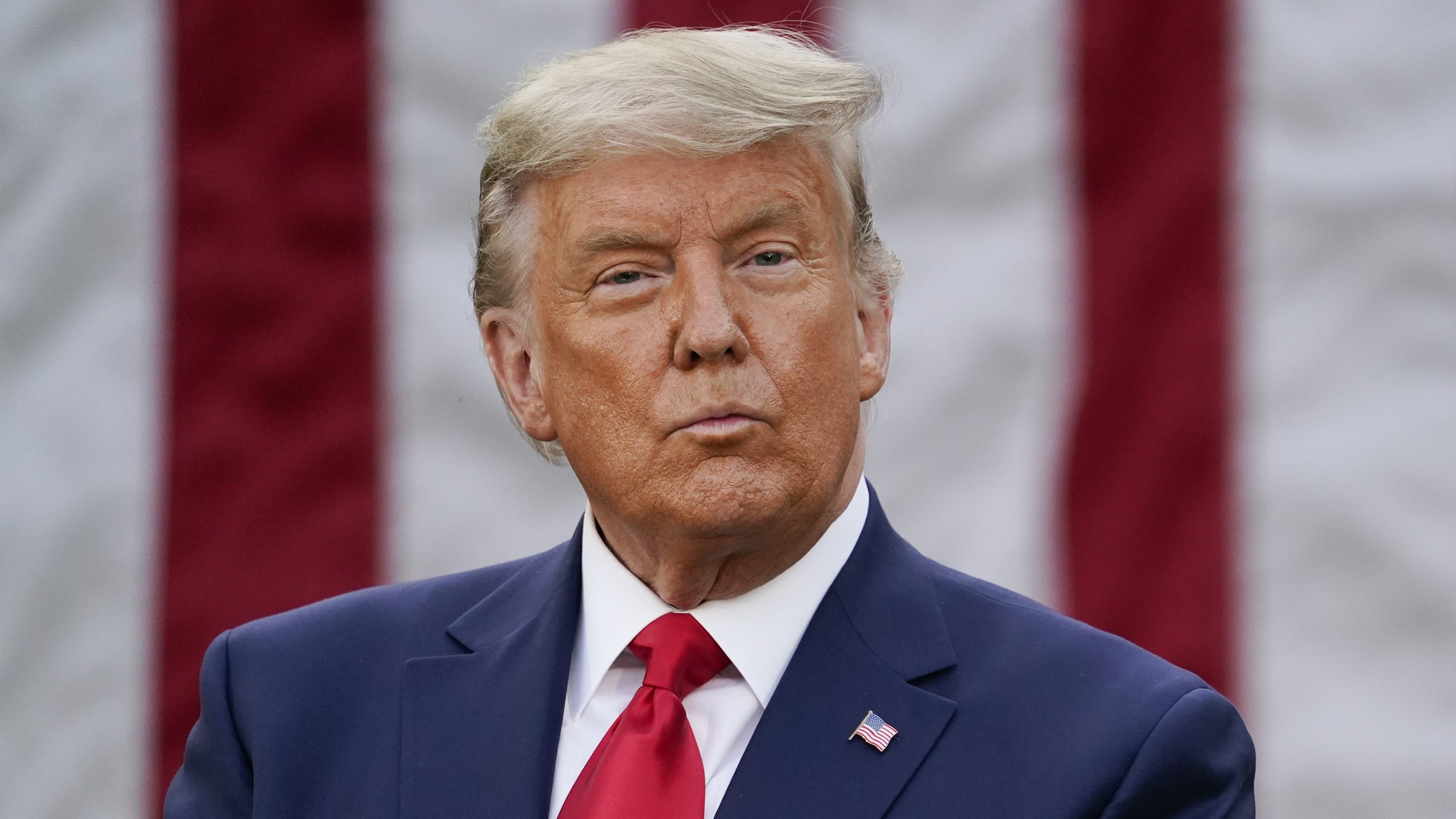

As the Supreme Court’s new term gets underway on Monday, October 5, 2026, the justices face a packed docket centered around Trump policies, Supreme Court disputes, landmark environmental suits, and major constitutional tests. Beyond arguments set for the coming months regarding immigration enforcement, gun control, and religious liberty, several ongoing legal battles over President Donald Trump’s second-term executive actions sit waiting in the wings. These cases, spanning third-country deportations, mandatory immigration detentions, and public school mandates, will shape the court’s calendar through the summer of 2027.
Climate Change and Religious Liberty
The court starts its term on October 5 by examining a major corporate and environmental dispute in Suncor Energy v. County Commissioners of Boulder County. The justices will decide whether federal law blocks local governments from suing fossil fuel producers in state court over climate change impacts and allegedly misleading marketing. Energy giants Exxon Mobil and Suncor warn that state-level wins could effectively force a carbon tax and cripple the industry, while Boulder County argues states have every right to seek local remedies for local damages. Notably, Justice Samuel Alito has recused himself from the case.
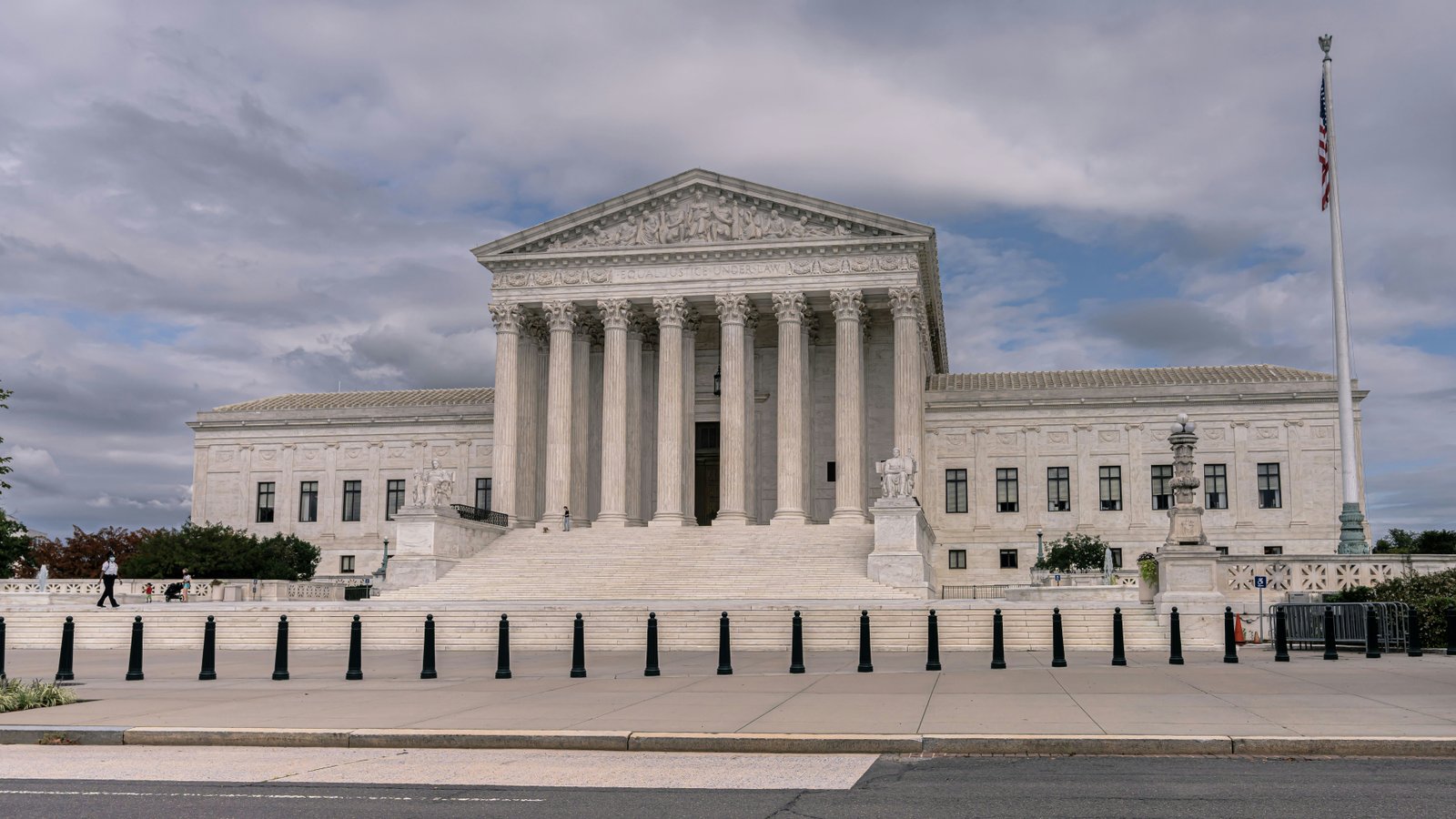
On November 3, the justices moved to religious liberty in St. Mary Catholic Parish v. Roy. A Catholic preschool in Colorado is challenging its exclusion from the state’s universal preschool funding program. Colorado denied the school’s requested exemption from state nondiscrimination rules regarding gender identity and sexual orientation, prompting a First Amendment Free Exercise Clause lawsuit.
Second Amendment Bans and Parental Rights Standing
Decisions on gun rights return to the forefront on December 2 in Viramontes v. Cook County and Grant v. Higgins. The justices will evaluate long-standing prohibitions on AR-15s and similar semiautomatic firearms in Connecticut and Cook County, Illinois. Lower courts upheld these bans using the court’s 2022 historical-tradition framework, but gun-rights advocates are pushing the high court to strike down state-level firearm bans nationwide.
On December 7, in International Partners for Ethical Care v. Ferguson, the court turns to parental rights. The case examines whether parents have legal standing to challenge Washington state laws that allow youth shelters to withhold notification from parents when runaway teens seek care or treatment for gender dysphoria.
Voting Rules, Third-Country Deportations, and Mandatory Detentions
Electoral procedures and executive authority dominate the December schedule:
Voting Rules (Republican National Committee v. Mi Familia Vota – Dec. 8): The court weighs Arizona rules requiring proof of citizenship on state voter registration forms and regulating list-cleaning procedures within 90 days of an election.
Third-Country Deportations (Department of Homeland Security v. D.V.D. – Dec. 9): Justices will decide if the Trump administration’s policy of rapidly deporting migrants to third countries without written notice or a 10-day window to claim fear of persecution violates due process.
Immigration Detentions (Rhoney v. Barbosa da Cunha – Early 2027): The court considers an ICE policy that subjects noncitizens to mandatory, indefinite detention without a bond hearing during removal proceedings, even for long-term residents with no criminal record like plaintiff Ricardo Aparecido Barbosa da Cunha.
Executive Power Cases Waiting in the Wings
Solicitor General D. John Sauer has urged the Supreme Court to take up additional second-term Trump administration disputes. These include appeals over the Defense Department’s transgender military ban, border asylum suspensions, and the administration’s controversial use of first assistant appointments to bypass Senate confirmation for U.S. attorneys in New York, Nevada, New Jersey, and Los Angeles. Trump has also personally requested a review of an $83.3 million defamation judgment involving E. Jean Carroll, citing presidential immunity.
My View
The upcoming term demonstrates how heavily the nation’s political and social life rests on nine Supreme Court justices.
When an administration moves quickly to overhaul immigration enforcement, bypass traditional Senate confirmation processes, or reshape border policy through executive orders, it creates an immediate collision with existing statutory frameworks. The central question for the Court this term is not just whether individual policies make good public policy, but whether quick administrative action can bypass established due process standards.
Whether the issue is mandatory immigration detentions without bond hearings, third-country deportations, or local climate change litigation, lower courts across the country are issuing conflicting rulings. The Supreme Court’s role is to provide clear, consistent constitutional boundaries. If executive actions strip away procedural protections such as notice and a fair hearing before deportation, it weakens the rule of law for everyone, regardless of political party.