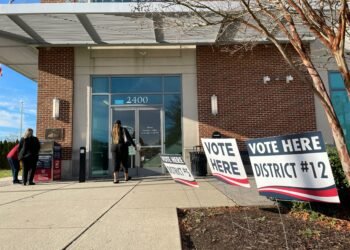
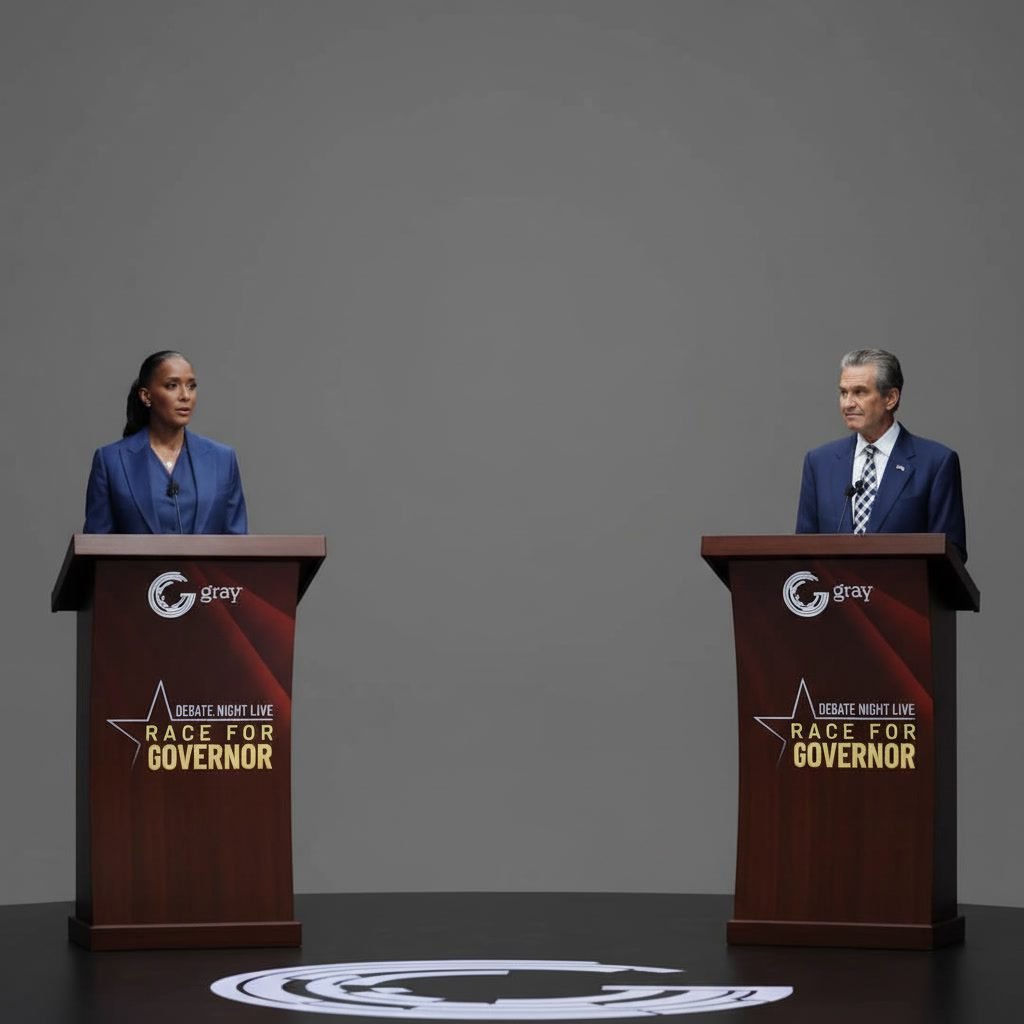
During the Georgia gubernatorial debate, Democrat Keisha Lance Bottoms and Republican Rick Jackson clashed fiercely over economic policy, tax relief proposals, and the political influence of Donald Trump. With early voting opening in a matter of days and public polls showing a dead heat to succeed outgoing Republican Governor Brian Kemp, both candidates used their sole town-hall-style debate to frame the state’s future. Bottoms challenged Jackson’s independence, questioning if he is merely “Trump in disguise,” while Jackson leaned on his business record as a healthcare executive and tied his platform to Kemp’s popular state leadership.
Economic Plans, Local Inflation, and Tax Proposals
Throughout the hourlong debate, the conversation returned constantly to household affordability and regional inflation in the Atlanta area. Jackson went after Bottoms’ record as Mayor of Atlanta, attributing local cost increases and pandemic-era crime spikes directly to her municipal management. In response, Bottoms defended her public safety record and outlined targeted tax relief measures, promising to suspend or reduce state and local taxes on daily necessities like groceries, diapers, auto insurance, and hygiene items.
Jackson countered with a broad plan focused on lowering state income tax rates, reducing property taxes, and cutting taxes on household utilities. The two candidates also argued over the rapid expansion of data centers across Georgia. Bottoms advocated for a temporary moratorium on new data center construction, while Jackson argued against outright bans, advocating instead for local community approval, strict environmental guidelines, and guaranteed utility rate reductions for nearby residents.
Trump Alignment, Election Integrity, and Campaign Spending
The national political climate heavily influenced the debate dynamic. Bottoms repeatedly pointed to past statements where Jackson expressed strong support for Trump’s policy agenda, asserting that he would act as a rubber stamp for federal directives. Jackson pushed back against these characterizations, declaring that he operates independently and pointing out that Trump initially endorsed his primary opponent, Burt Jones. He stressed that he would model his administration on Governor Brian Kemp by working across party lines when beneficial while standing up to federal overreach when necessary.
On election administration, Bottoms voiced concern over national election rhetoric, whereas Jackson deferred to state authorities, stating that federal Justice Department involvement in Georgia’s election system was unnecessary unless requested by the sitting governor. Heading into the final weeks of the race, Jackson has drawn heavily on his personal wealth to outspend Bottoms on TV and digital advertising by a 7-to-1 margin, setting up a high-volume sprint to Election Day in one of the nation’s most closely watched battleground states.
My View
The debate between Keisha Lance Bottoms and Rick Jackson highlights a core tension running through modern state elections: how candidates handle their alignment with national figures versus addressing local kitchen-table issues.
National politics often dominates the headlines, making it easy for campaigns to default to broad partisan attacks. Labeling an opponent as an extension of a national figure or leaning heavily into national political brands can energize core party voters. However, state governors deal directly with local governance: managing state budgets, building energy infrastructure, lowering local tax burdens, and ensuring public safety.