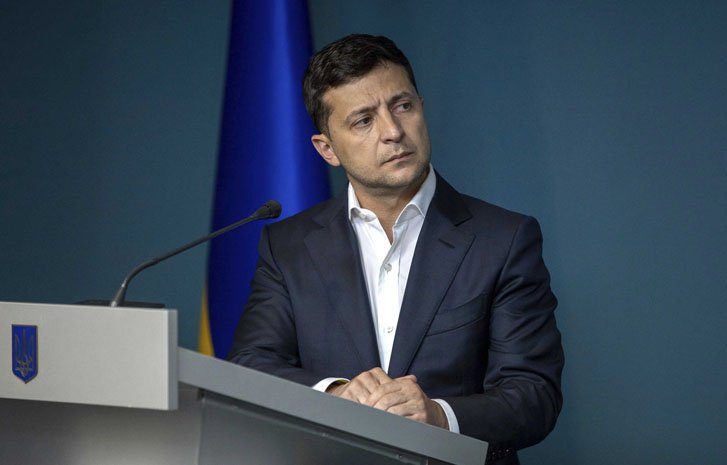

Ukrainian President Volodymyr Zelensky has criticised US President Donald Trump’s announcement of an agreement to import diesel from Russia, warning that the arrangement could help Moscow sustain its war against Ukraine.
Zelensky described the deal as a benefit to Russian President Vladimir Putin, arguing that the financial gains could support further attacks rather than efforts to end the conflict.
He said Russia would respond to the agreement with more violence, urging Washington to maintain its support for Ukraine and adopt a firm position towards Moscow.
In a social media post, Zelensky said the arrangement amounted to “an investment in a war that must be ended, not prolonged”.
He added that Russia would repay the United States with “further terror”.
“We count on America’s fair support for our defence of life, for our defence of people in Ukraine – and on the United States having a correspondingly strong conversation with Russia. A strong one, not a weak one,” he wrote.
Trump had announced that Putin agreed to release 300,000 tonnes of diesel immediately for the American and international markets. According to the US president, another 500,000 tonnes would be supplied in November, followed by an additional one million tonnes.
Trump also said a further three million tonnes could be delivered “within a short period”, depending on the condition of Russia’s refineries, several of which have been targeted in Ukrainian attacks.
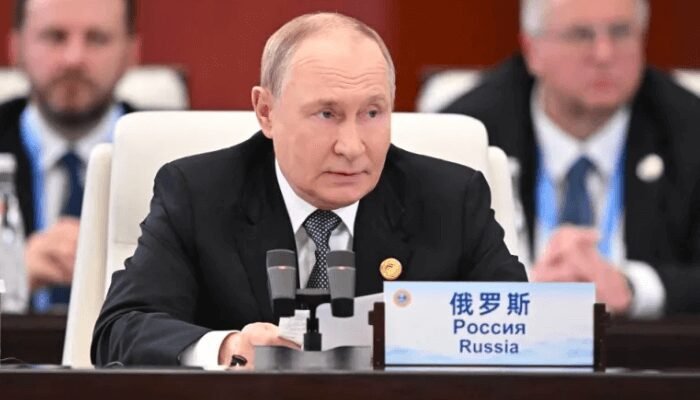
The US Treasury subsequently issued a temporary licence permitting Russian diesel to enter the market. Reports indicated that sanctions on Russian diesel exports would be suspended until April 7 under the arrangement, although other Russian assets, including funds held in American banks, would remain frozen.
Putin confirmed that he had discussed the global energy situation with Trump on Friday, although his statement did not specify the quantities of fuel Russia would supply.
“The Russian side confirmed its willingness to supply oil and petroleum products to the US market and global markets at large,” Putin said.
Kirill Dmitriev, an envoy for the Russian president, welcomed the agreement, writing on social media: “Russia-US co-operation on diesel and energy will benefit the world.”
However, questions have emerged over whether Russia can deliver the quantities announced by Trump and whether the arrangement would significantly reduce fuel prices for American consumers.
Tim Armitage, an investment strategist at Quilter Cheviot, described the proposed supplies as “relatively small”.
He said the initial shipment amounted to approximately 2.25 million barrels, compared with daily US diesel consumption of about 3.8 million barrels.
According to Armitage, the first release would therefore have little effect on prices at American filling stations.
“Granted, there are then two more releases to come, but it does appear to be a slightly desperate move by President Trump to try to lower inflation ahead of the midterms.”
The proposed agreement comes as the Trump administration faces mounting pressure over rising energy costs linked to the war with Iran, which began in February. The conflict has contributed to a sharp increase in American petrol and diesel prices, adding to inflationary pressures and public dissatisfaction.
The average price of diesel in the United States currently stands at $6.28 per gallon, according to the American Automobile Association, down from a record $6.53 recorded at the end of September.
Trump has been seeking measures to ease the burden on consumers ahead of the US midterm congressional elections, which will determine whether Republicans retain control of Congress.
Earlier in the week, he said he was “thinking about” suspending the federal tax on petrol. He also announced plans to allow red-dyed diesel, typically used for off-road purposes, on US highways without the federal tax.
The president has also pushed G7 countries to release 100 million barrels of oil and diesel from their strategic stockpiles to ease supply concerns. He had previously supported calls for a ban on US diesel exports.
Meanwhile, the United Kingdom has reiterated its commitment to supporting Ukraine and maintaining economic pressure on Russia.
A UK government spokesperson said: “The UK’s position could not be clearer. We will continue working closely with international partners to ensure Ukraine has the military and financial support it needs to defend itself.”
The spokesperson added that Britain would continue to “maintain pressure on Russia through the toughest sanctions regime ever imposed by UK”.
“Russia could end this war today. We remain committed to supporting Ukraine for as long as it takes and to working with partners to bring about a durable peace.”
Russia has experienced two waves of serious fuel shortages this year following Ukrainian drone attacks on its oil refineries. The International Energy Agency estimates that Russian diesel production has declined by nearly 30 per cent.
Trump has criticised the attacks, blaming them for contributing to higher fuel prices. Zelensky, however, defended Ukraine’s operations, describing them as a response to Russia’s attacks on Ukrainian energy infrastructure.
“Ukraine will not set Russian oil refineries on fire if Russia does not destroy our energy infrastructure,” he said.
The deal also marks a significant shift in US policy towards Russian energy. The US Congress recently enacted legislation, signed by Trump, authorising additional sanctions and tariffs against countries importing Russian oil and gas.
The arrangement could therefore attract criticism from European allies and pro-Ukraine lawmakers in the United States, who may argue that purchases of Russian fuel could provide Moscow with additional revenue to sustain its military campaign.
The financial implications of the agreement remain uncertain. Brent crude, the global benchmark for oil prices, remains above $103 per barrel, compared with approximately $73 before the war with Iran.
While Trump hopes the proposed imports will ease pressure on American consumers, analysts remain uncertain about how much the additional supply will affect prices or whether Russia can fulfil the announced quantities.