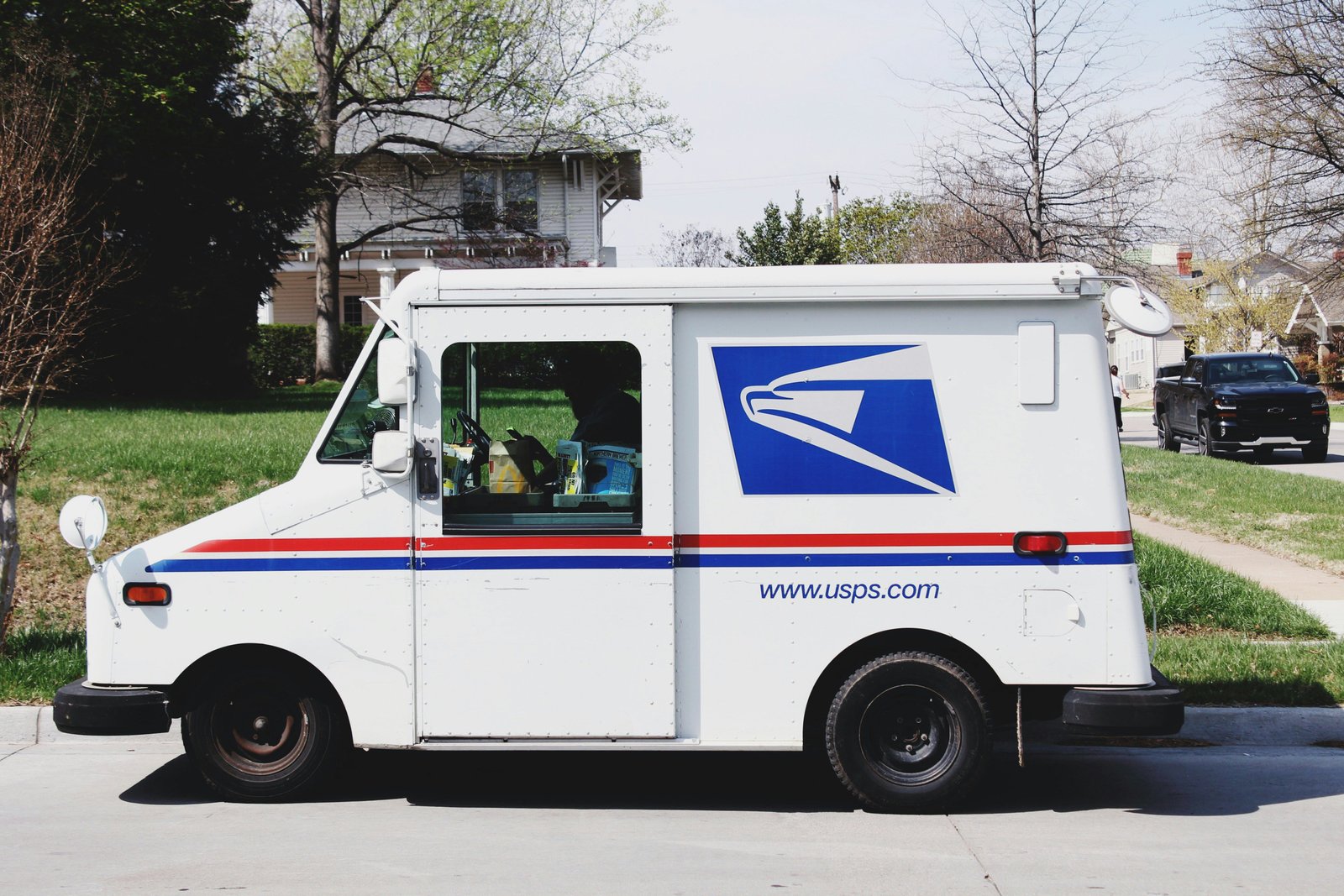

State and local election authorities are issuing urgent warnings that voters who rely on the U.S. Postal Service (USPS) close to Election Day face an increased threat of having their mail-in ballots invalidated due to postmarking delays. Structural shifts within federal postal operations have created scenarios where mail deposited in standard collection boxes may not receive a same-day postmark, leading election administrators and voter advocacy groups to encourage voters to return ballots via official drop boxes or hand-deliver them directly to county election offices.
Operational Changes
The heightened risk comes from the postal service’s ongoing “Regional Transportation Optimization” (RTO) initiative, a core element of a 10-year organizational restructuring launched in 2021 to trim operational costs. Under RTO adjustments phased in since April 2025, daily mail collections and regional processing workflows were trimmed across specific post offices, particularly in rural and regional sectors. Consequently, mail dropped into standard blue collection boxes or picked up by carriers is no longer guaranteed an automated, same-day date stamp at local facilities.
The operational lag raised rejection rates during this year’s primary elections. A statistical analysis conducted by the Brookings Institution estimates that these mail processing changes could lead to an additional 43,000 to 55,000 mail-in ballots being rejected nationwide during the general election for arriving past statutory postmark deadlines.
USPS “Extraordinary Measures” and Voter Safeguards
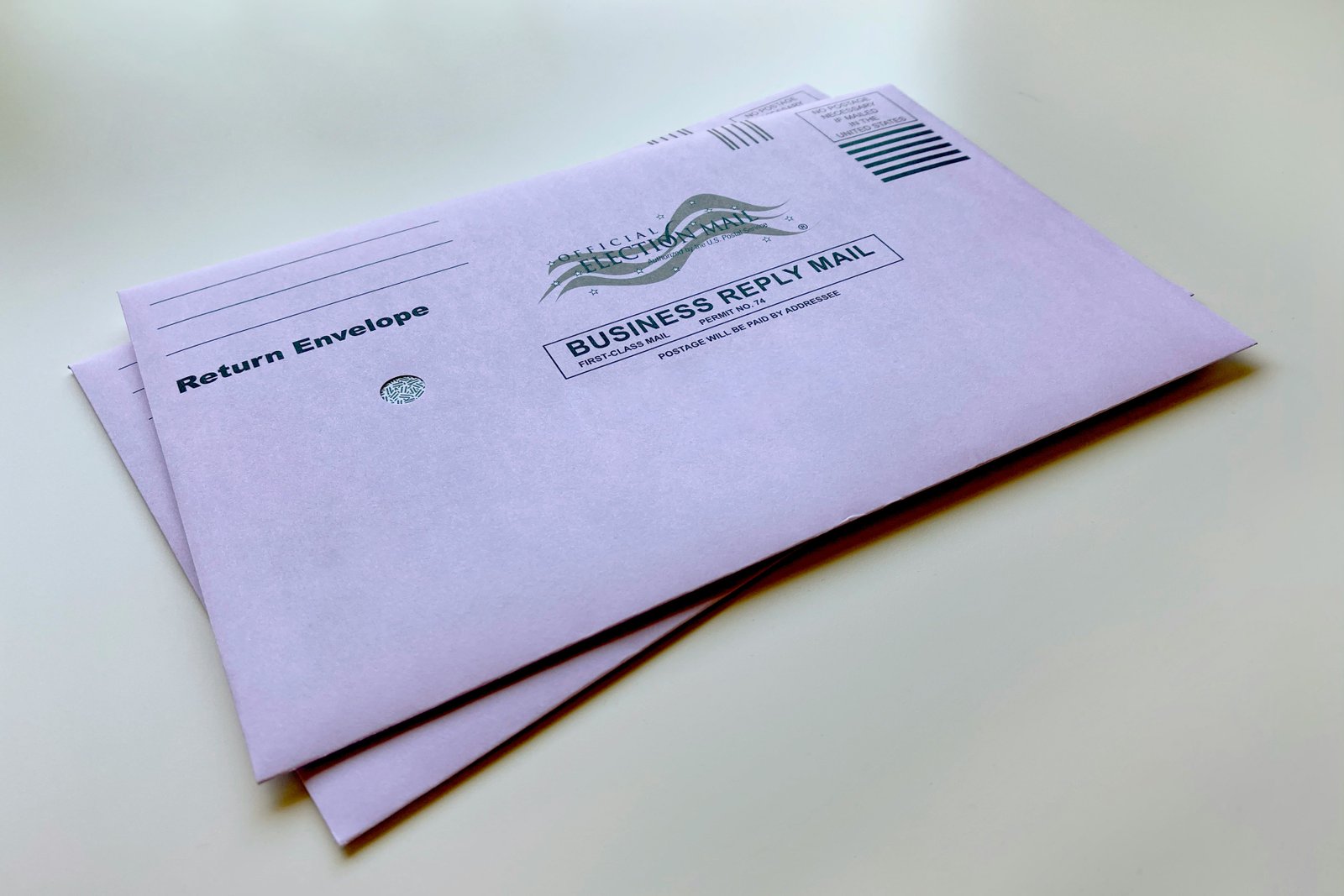
In response to concerns over ballot rejection rates, the Postal Service announced a series of temporary protocols aimed at prioritizing election mail. Beginning October 24, 10 days prior to Election Day, select retail post offices located within RTO-impacted zones will extend business hours by 30 minutes and set up dedicated drive-through lanes or designated counter queues to allow voters to request manual postmarks directly from retail clerks. Furthermore, starting October 26, local postal managers have been instructed to isolate mail ballots from general processing streams to ensure same-day manual postmarking.
Despite these measures, postal officials continue to advise voters to mail completed ballots at least one full week prior to their state’s submission deadline. In states allowing grace periods for late-arriving mail, the Postal Service recommends visiting a retail counter in person to request a hand-canceled postmark. Civic groups such as Alaska’s Get Out the Native Vote are actively advising voters in remote and indigenous communities to complete ballots early in October or utilize direct drop-box networks to preserve the official chain of custody.
My View
The conflict between postal efficiency drives and mail ballot validation shows a structural flaw in how election logistics intersect with federal public infrastructure.
While the U.S. Postal Service must manage tight operating budgets and adjust transport networks, administrative cost-cutting should not inadvertently disenfranchise eligible voters who follow statutory voting rules. When a citizen drops a signed ballot into a public mailbox on or before Election Day, they hold a reasonable expectation that the state apparatus will log the vote accurately and on time.
Relying on temporary “extraordinary measures” just days before an election creates confusion for local election workers and voters alike. Long-term voter trust requires permanent, statutory protections for election mail, ensuring that every ballot cast in good faith receives proper processing regardless of postal service operational shifts.