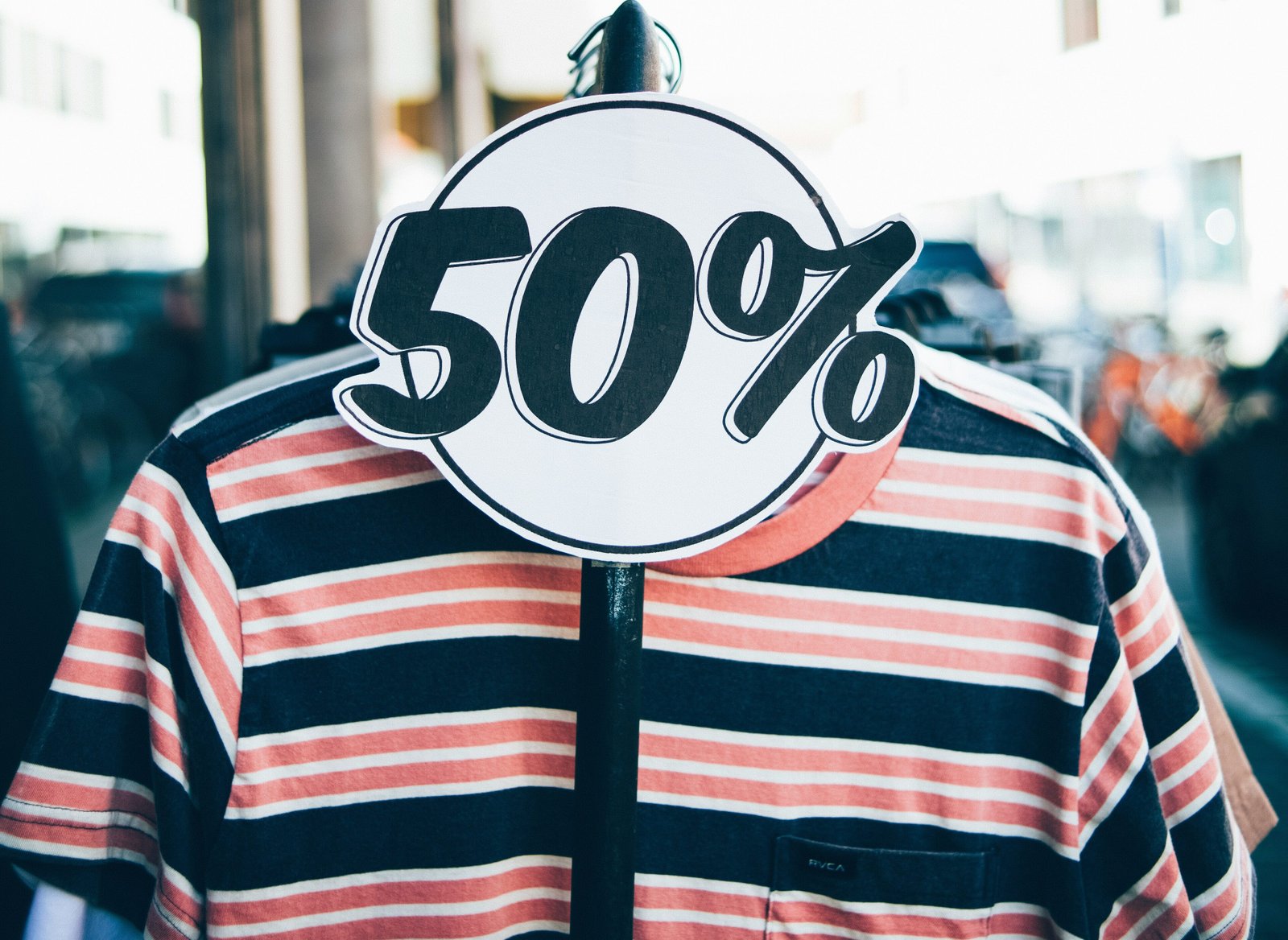

As the end-of-year shopping period approaches, projections show Americans buying less but spending more on holiday season budgets as persistent inflation and recently implemented import tariffs drive up retail prices across the board. Analysts forecast total holiday sales reaching record dollar amounts, nearing $1.7 trillion. However, economists emphasize that these rising expenditure totals reflect higher unit prices for everyday products rather than an increase in overall consumer purchasing volume or gift quantities.
Inflation, Import Tariffs, and Rising Household Costs
The primary factors behind the rise in seasonal spending are sustained price pressures on everyday essentials like groceries, gasoline, and imported retail goods. Recent tariff policy changes on international manufactured products have increased import expenses for major retail chains, which are now passing those costs along to shoppers.
As one retail economist noted, consumers will simply need more money to acquire the same number of items compared to previous years. Essential living expenses are taking up a larger share of monthly paychecks, leaving households with less flexible income to spend on traditional holiday gifts, festive decorations, and non-essential entertainment.

Shifting Consumer Strategies and Discount Seeking
To manage squeezed budgets, American shoppers are changing how they approach holiday gift-giving. Surveys indicate that a significant majority of households plan to buy fewer physical items overall, focus on practical gifts, or look for sales and store discounts earlier in the season. Major retailers are responding by launching early promotional events to capture cautious shoppers before budgets tighten further.
Retailers are also adjusting their inventory strategies, stocking fewer surplus goods to avoid markdowns later in the season. While overall consumer spending totals remain high, the underlying shift toward buying fewer physical products highlights how broader economic pressures continue to affect everyday family budgets.
My View
The forecast showing record holiday spending alongside lower sales volume illustrates the real impact of inflation on household finances.
When economic reports highlight record retail spending figures, it is easy to assume that consumer confidence is strong. However, looking closely at sales volume reveals a different story: families are paying higher prices just to buy basic gifts and seasonal essentials. Higher totals on receipt stubs do not mean households feel more financially secure.
For everyday consumers, managing rising prices requires careful budgeting and prioritizing essential needs over extra purchases. Long-term economic stability relies on keeping inflation in check and reducing trade friction so that consumer spending represents real economic growth rather than just higher price tags.