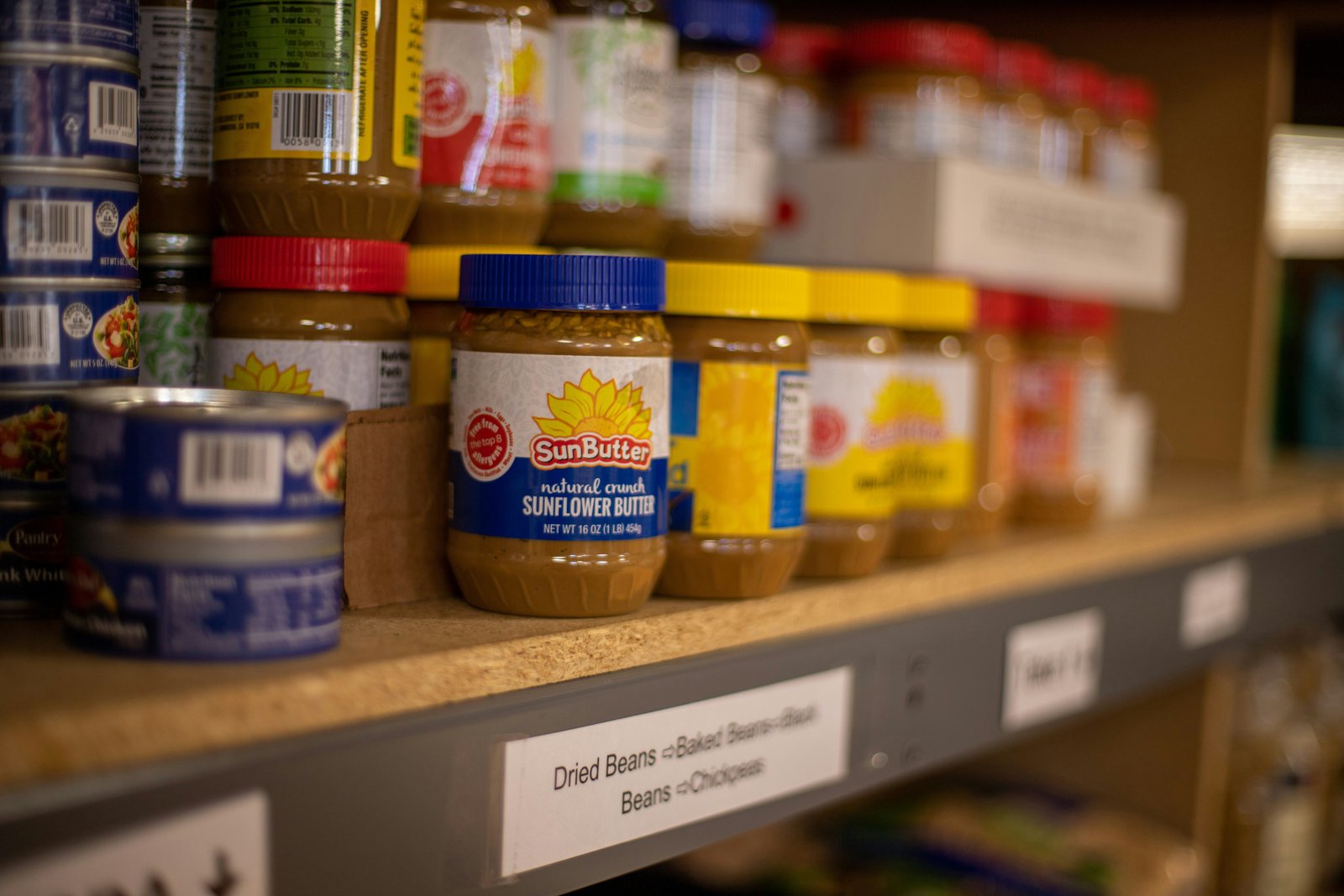

A national survey of 48 major food banks across 35 states and Washington, D.C., reveals that overwhelmed America food banks are struggling to serve record numbers of families as hunger reaches unprecedented levels. Nearly three-quarters of surveyed facilities reported a sharp rise in visits over the past year, driven by persistent food inflation, high fuel expenses, and significant reductions in federal nutrition benefits. At the same time, more than 80 percent of food banks confirmed that direct food donations and federal funding from the U.S. Department of Agriculture have dropped significantly, forcing operators to ration essential groceries.
The survey shows growing operational strain from coast to coast. In North Dakota, regional food banks receive weekly emergency calls from rural pantries with empty shelves. In Oregon, rising diesel costs eat away at food purchasing budgets, while facilities in Maine have begun limiting family visits and capping distributions of milk, meat, and fresh produce.
Drivers Behind the Food Insecurity Spike
The surge in demand reflects a combination of economic pressure on household budgets and structural changes to government assistance programs. Policy adjustments enacted under federal reconciliation legislation cut funding for the Supplemental Nutrition Assistance Program (SNAP) by nearly $187 billion over a decade. The expanded work requirements and altered eligibility rules resulted in over 5 million fewer Americans receiving SNAP benefits by mid-2026. Because public food pantries historically distribute roughly one meal for every nine provided by SNAP, reducing federal benefits shifts massive demand directly onto charitable networks.
My Opinion
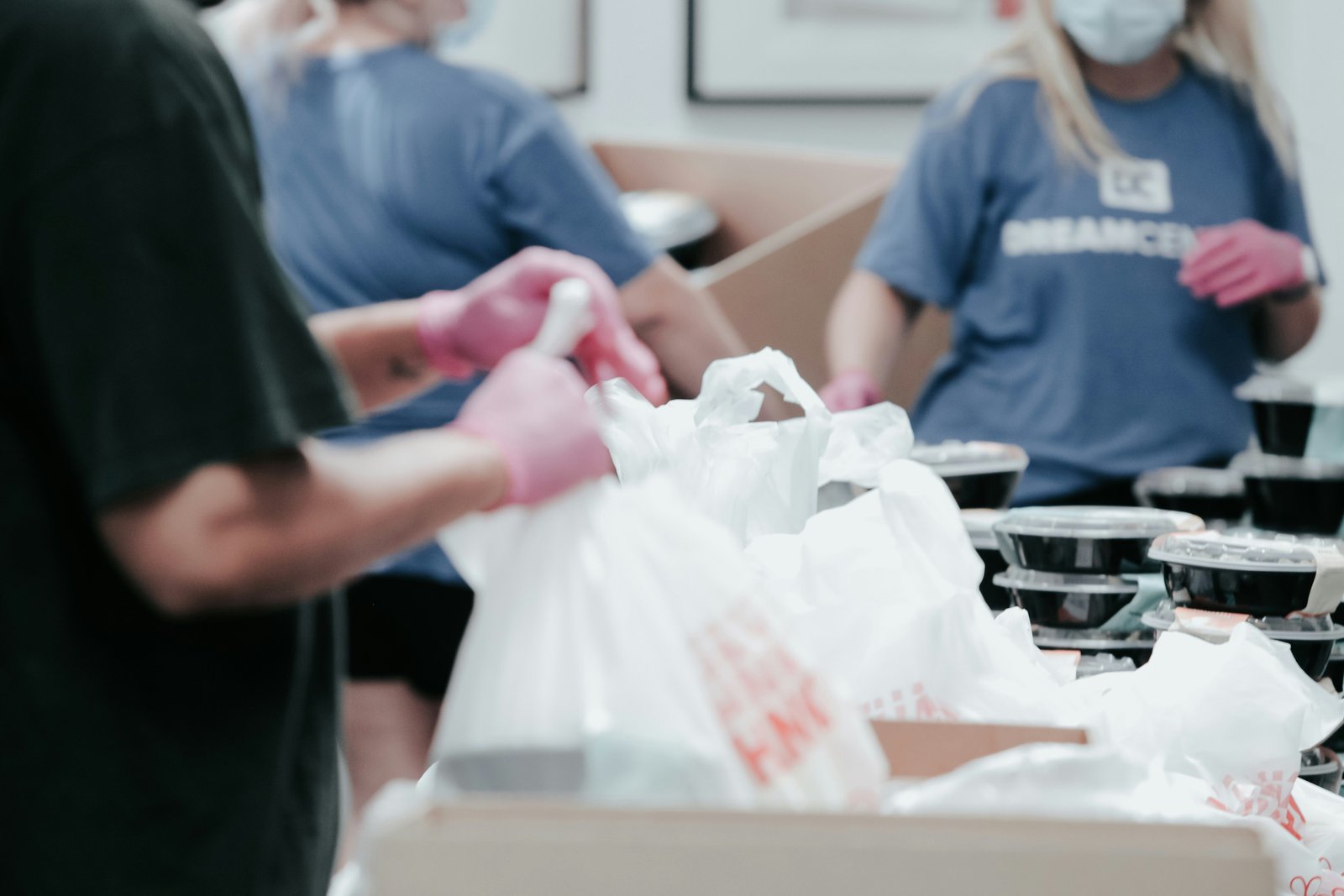
Relying on charitable food banks to absorb deep federal spending cuts places an unsustainable burden on non-profit organizations. Private food pantries were designed to serve as temporary emergency safety nets, not as permanent replacements for national nutrition infrastructure.
When federal programs like SNAP face multi-billion-dollar cuts, charity networks cannot scale operations quickly enough to bridge the gap. Food bank operators face higher fuel, freight, and wholesale food prices, meaning they are forced to spend more money to acquire less food. Addressing hunger effectively requires strong federal safety nets working alongside local community efforts, rather than shifting the responsibility entirely onto overwhelmed non-profit organizations.