

Recent federal policy shifts show how Trump food stamp cuts and reduced farm surplus distribution leave thousands of residents across West Virginia’s former coal mining communities facing severe food insecurity. A major survey covering 48 prominent food distribution centers in 35 states revealed that over 80% received significantly lower food volumes and funding from the U.S. Department of Agriculture compared to prior years. Meanwhile, strict work and training rules attached to Supplemental Nutrition Assistance Program (SNAP) benefits led to over 5 million Americans losing benefits nationwide, including at least 24,000 residents in West Virginia alone.
Line-Ups in Coal Country and Reduced Food Commodities
In small towns like Dunlow and Matewan, local food pantries struggle to manage an algorithm of hunger as long lines of vehicles form hours before sunrise. Outreach directors report that USDA emergency assistance shipments dropped dramatically, forcing workers to hand out smaller shares of essentials like meat and fresh produce while relying heavily on private donations. A 45-minute drive to the nearest grocery store now costs residents upwards of $15 due to surging fuel prices, hitting fixed-income seniors and families raising grandchildren especially hard.
While White House officials defend the legislative overhaul as a necessary step to curb fraud and encourage workforce participation, charity workers on the front lines report a 25% surge in people seeking emergency food assistance. Local pantries have been forced to improvise by organizing weekend meal backpack initiatives for elementary school students and retrieving cast-off stock from neighborhood discount stores to keep families fed.
Disillusioned Voters and Structural Poverty Challenges
The economic strain has caused widespread frustration among voters in counties that backed the administration overwhelmingly in past elections. Elderly residents living on Social Security describe reducing their daily meals or relying on local hunting to stretch monthly budgets amid rising electric bills and elevated grocery store prices. Former supporters express deep disappointment with federal representatives, arguing that national lawmakers do not grasp the harsh reality of living without reliable jobs, public transit, or regional health infrastructure.
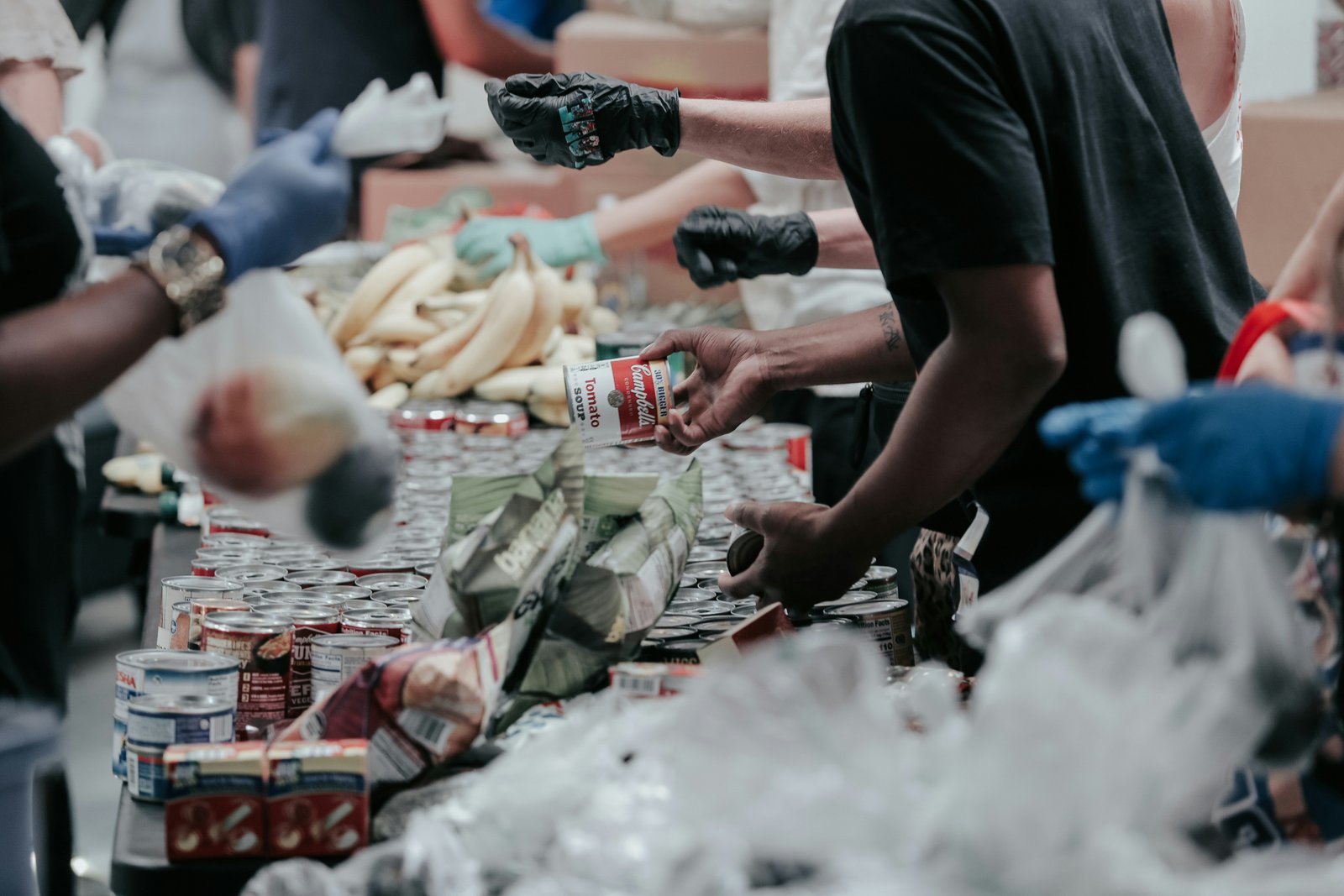
Despite federal claims that agriculture purchasing programs continue to support low-income areas, ground-level organizers emphasize that reducing aid without creating real employment opportunities leaves rural towns stranded. Local organizers and neighbors continue to lean on strong community bonds to share meals and support vulnerable households, but they warn that community charity alone cannot permanently replace federal safety net programs.
My View
The expanding hunger crisis across rural Appalachia highlights a fundamental flaw in cutting social safety nets without addressing underlying economic conditions.
Enforcing strict work requirements and reducing food aid under the assumption that individuals can easily find employment ignores the structural realities of regions where major industries have vanished. When coal mines shut down and alternative employers fail to enter a community, stripping away nutritional support does not create job opportunities; it simply inflicts physical and emotional hardship on vulnerable families, elderly residents, and children.
Government nutrition programs exist precisely to ensure that basic human needs are met during economic hardship. Reforming public assistance should focus on expanding job access, improving rural infrastructure, and strengthening local food supply networks, rather than removing essential lifelines from communities that need them most.