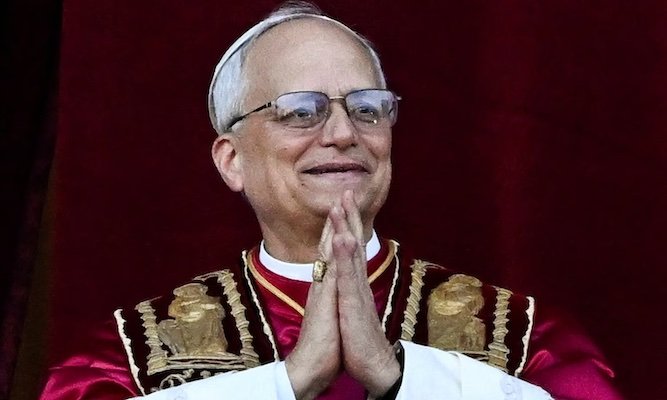

Pope Leo has been diagnosed with lung cancer following a successful operation to remove part of his right lung, the Vatican has announced, raising the first major health concern since he became head of the Catholic Church.
The 71-year-old pontiff underwent a 90-minute procedure at Rome’s Gemelli Hospital on Tuesday, October 13, after doctors detected a small nodule in his lung during a routine medical examination. Tests conducted on tissue removed during the operation confirmed lung adenocarcinoma, a common type of lung cancer.
The surgery involved removing the lower lobe of Leo’s right lung. The Vatican said the procedure was completed successfully and without complications.
“The procedure was completed successfully, within the expected timeframe and as planned,” the Vatican said in a brief statement.
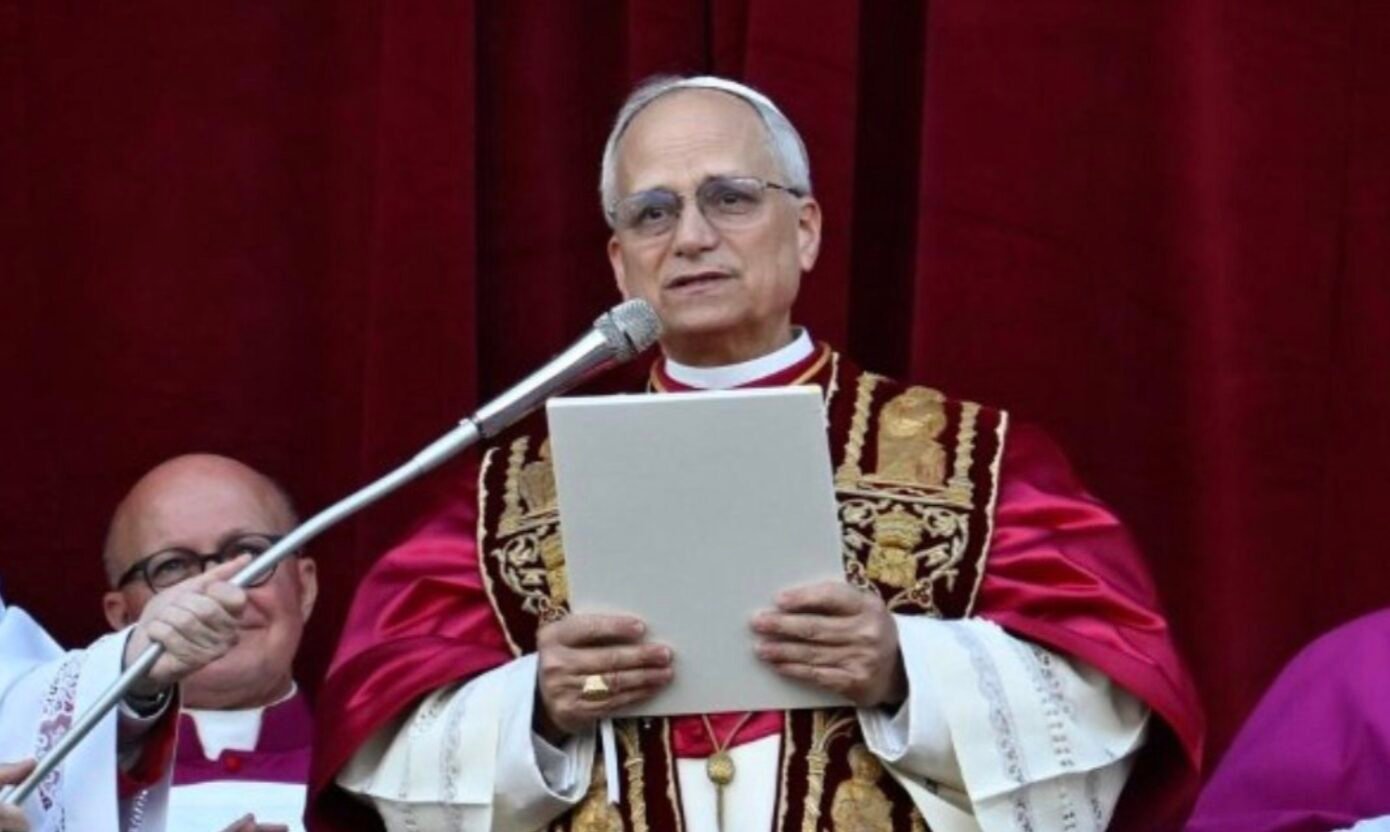
The pontiff is expected to remain in hospital for about a week as he recovers. His public engagements have been cancelled through October 20 to allow him time to recuperate.
A lung nodule is a small growth or lesion found in the lung. Although such growths can sometimes be cancerous, many are benign. The American Thoracic Society estimates that fewer than five per cent of lung nodules overall turn out to be cancerous, with the risk depending on factors such as a person’s age, the size of the nodule and smoking history.
Leo’s diagnosis was confirmed after surgeons removed the affected portion of his lung and examined the tissue during the operation.
Despite the health setback, the pope’s planned trip to South America remains on the schedule for now. He is expected to visit Uruguay, Argentina and Peru from November 6 to 17.
Before being admitted to hospital, Leo indicated that he intended to proceed with the journey. However, the Vatican may review the arrangements depending on his recovery and medical condition.
The pope’s illness has also raised questions about how the Vatican functions when its leader is unable to carry out his normal duties.
Unlike many political leaders, the pope has no vice president or deputy who automatically assumes his authority when he becomes ill. The Vatican’s routine administrative work continues during such periods, while decisions requiring the pontiff’s approval are generally delayed until he is able to act, according to Reuters.
Born Robert Prevost in Chicago in 1955, Leo spent several decades working as a missionary and bishop in Peru before his election as pope in May 2025.
His connection to Peru dates back to his early years as a priest. In 1985, while serving there, he was hospitalised with typhoid fever, an experience he later described as one of the most painful periods of his life.
In an interview for a book published by Penguin Peru, Leo recalled that the pain became so severe that he prayed to die rather than continue enduring the suffering. He later came to regard his recovery as a sign that God wanted him to continue his religious work.
“I never looked back,” Leo said.