

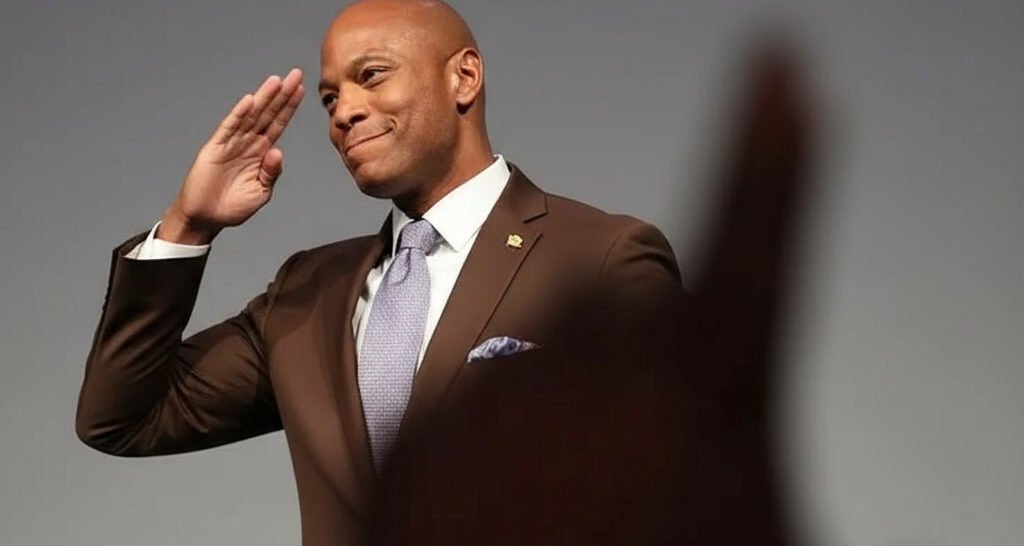
Maryland Gov. Wes Moore has ordered the Department of Juvenile Services to immediately develop new pilot programs in Baltimore City and Montgomery County targeting children involved in motor vehicle thefts, including those too young to face criminal charges.
The directive comes amid growing concerns about juveniles involved in stolen vehicle incidents, including a recent crash in Baltimore in which a 12-year-old driving a stolen car struck and killed a 69-year-old motorcyclist. Baltimore City State’s Attorney Ivan Bates has expressed frustration that his office cannot criminally charge the child under Maryland’s juvenile justice laws.
The Directive
Moore directed DJS Secretary Betsy Fox Tolentino to coordinate with law enforcement and other state and local agencies to establish new programs aimed at identifying children involved in vehicle thefts and intervening before additional crimes occur.
“Public safety is my top priority and I am concerned by the recent frequency of motor vehicle thefts involving youth and young children,” Moore wrote in the two-page directive. “We cannot wait for a tragic crash to be the first point of meaningful intervention. We must act decisively to interrupt this pattern of behavior before more lives are lost.”
The Programs
Under the directive, DJS must immediately develop and implement pilot programs in Baltimore City and Montgomery County, which Moore identifies as the two jurisdictions experiencing the largest increases in motor vehicle thefts compared to 2025.
The programs are intended to establish a system for quickly identifying children involved in auto thefts, as well as those considered at elevated risk of becoming involved. Once identified, the children would be connected with coordinated interventions involving their families, social service providers, and local law enforcement.
One aspect of the directive specifically addresses young people who cannot be criminally charged under Maryland law. Moore directed DJS to immediately develop a specialized early intervention pathway for young children involved in stolen vehicle incidents, even when those children cannot face formal criminal charges.
What the Directive Does Not Do
Moore’s directive appears aimed at addressing the intervention gap for children who cannot be prosecuted, but it does not propose changing the state’s juvenile charging laws or expanding the circumstances under which children can be detained.
It also does not specify whether children and their families would be required to participate in the new intervention programs or what consequences, if any, would follow if they refused services.
The Longer-Term Model
Moore also directed DJS to explore a longer-term intervention program modeled after an initiative in Ramsey County, Minnesota. The Ramsey County Youth Auto Theft Intervention Project pairs dedicated law enforcement personnel with community navigators and credible messengers to engage young people considered at high risk of committing auto thefts.
Moore wants Maryland to examine a similar approach, building on DJS’s existing Thrive initiative. The directive does not establish a timeline for launching that longer-term program.
The Bottom Line
Maryland Gov. Wes Moore has ordered juvenile auto theft pilot programs in Baltimore City and Montgomery County following a fatal crash involving a 12-year-old in a stolen car. The programs aim to identify children involved in auto thefts and connect them with intervention services, including those too young to face criminal charges. The directive does not change juvenile charging laws or specify consequences for refusing services. A status report is due by December 1