
The 2026 Victoria’s Secret Fashion Show was supposed to be the culmination of a two-year comeback. The Angels were back. The wings were back. Gisele Bündchen filmed a teaser. And after an eight-year absence, the Fantasy Bra—that $50 million monument to excess—returned to the runway.
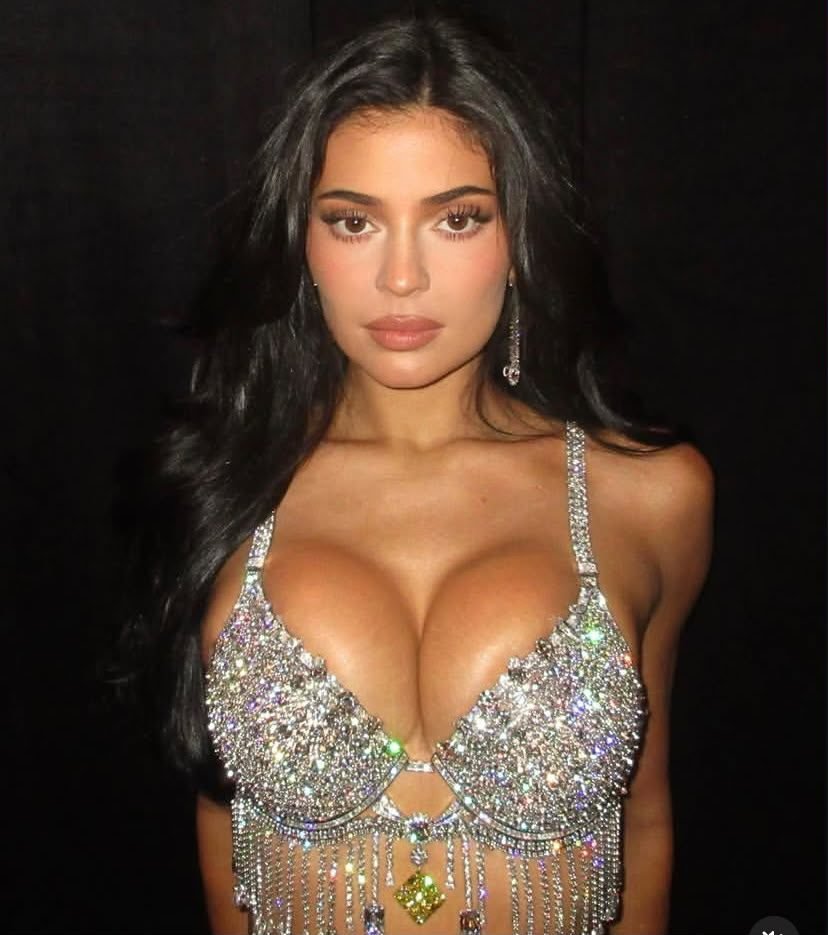
Instead, the night belonged to a different headline: Kylie Jenner wore the bra, and the internet revolted.
What Actually Happened
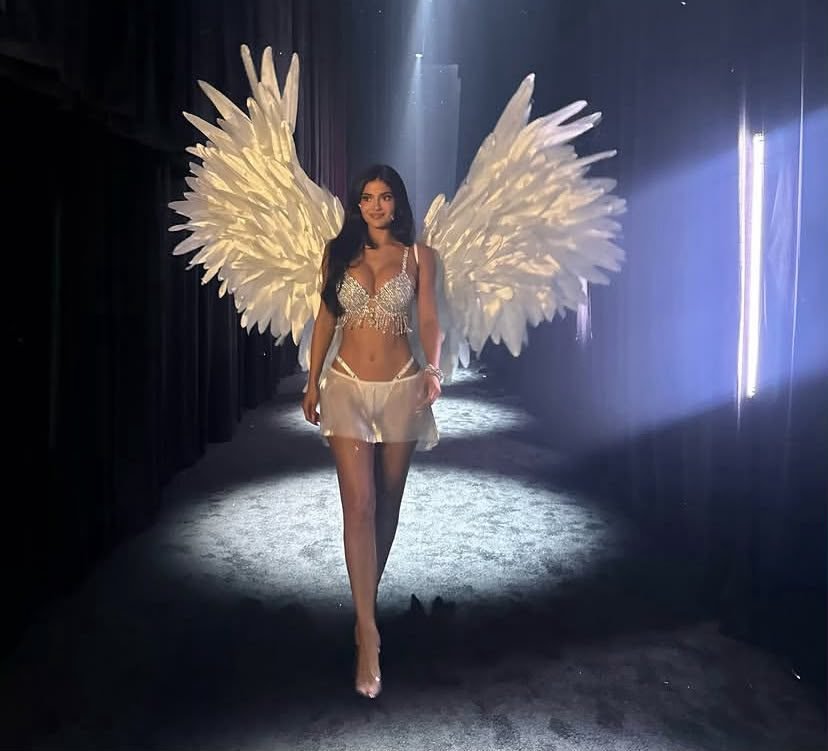
On October 18, 2026, at Sony Pictures Studios in Culver City, California, Kylie Jenner made her Victoria’s Secret runway debut. She wore the Fantasy Bra: a creation by Jacob & Co. featuring a 75.54-carat vivid yellow diamond surrounded by 4,410 white diamonds, valued at $50 million. She paired it with a sheer mini skirt, silver panties, clear heels, and white angel wings.
It was the first time the Fantasy Bra had appeared on a VS runway since 2018. And Jenner was the first non-Angel to ever wear it.
Past wearers include Gisele Bündchen, Heidi Klum, Adriana Lima, Alessandra Ambrosio, Tyra Banks, and Candice Swanepoel; women whose careers were built on walking runways, not reality TV.
The Backlash: “A Slap in the Face”
The reaction on X was immediate and brutal. Fans called the decision “unacceptable,” “disappointing,” and “a slap in the face to the actual VS models”.
“Out of literally anyone ever, why the F**K did they put the fantasy bra on Kylie Jenner”
“Giving the fantasy bra to Kylie Jenner instead of an OG VS girl?”
“People discussing whether Barbara, Rosie or Gigi would have the Fantasy Bra and they gave it to Kylie Jenner of all people”
“Kylie Jenner must’ve paid to get the fantasy bra because in what world would she have been picked in 2026”
Former America’s Next Top Model winner Adrianne Curry weighed in on a livestream, saying: “Nothing against Kylie Jenner… you’re not a f**king model.” She argued the Fantasy Bra was “for the top Victoria’s Secret Angel. That is like winning homecoming queen, and they just gave it to Jenner”.
The criticism wasn’t just about Jenner personally. It was about what her selection represented: a brand that had spent years apologizing for its narrow definition of sexy, now handing its most sacred artifact to a celebrity whose fame had nothing to do with modeling.
Victoria’s Secret’s Defense: “Fandomonium”
Creative director Adam Selman defended the choice to Vogue, arguing that Jenner’s influence transcends traditional categories.
“Kylie really extends beyond fashion, beyond culture, beyond TV, beyond one singular thing. That’s the exact same thing that we do. Like, the show is so big, it’s true entertainment, and I think that she is a great catalyst for that.”
He added: “We’re giving them what they want with this amazing Fantasy Bra, and we’re going to put it on an unexpected talent who has a massive following and massive cultural impact.”
The show’s theme was “Fandomonium”—a celebration of fan culture and virality. By that logic, Jenner was the perfect choice. She has 400 million Instagram followers. She is a beauty mogul. She generates headlines just by existing.
But the defense revealed the problem. Victoria’s Secret wasn’t choosing a model. It was choosing an influencer. And in doing so, it signaled that the craft of modeling—the years of training, the ability to command a runway, the work that built the Angels’ legacy—was secondary to follower count.
The Deeper Problem: What the Fantasy Bra Was Supposed to Mean
The Fantasy Bra was never just lingerie. It was a coronation. Wearing it meant you had reached the pinnacle of Victoria’s Secret’s hierarchy. It was the brand’s way of saying: this woman is the standard.
By giving it to Jenner, Victoria’s Secret wasn’t just making a casting decision. It was rewriting what the Fantasy Bra symbolized. It was no longer a reward for years of loyalty and craft. It was a marketing tool; a way to generate clicks by putting the most famous person available in the most expensive object available.
The New York Times captured this tension perfectly. The Fantasy Bra’s return, they wrote, revealed “just how much we have reverted to pre-#MeToo definitions of sexy and how little change has actually occurred, despite all of the soul-searching and existential crises of the early 2020s”.
The show featured more body diversity than the original Angels era. Ashley Graham walked. Trans models walked. But the symbol at the center of it all—the $50 million bra—went to a woman who fit the traditional mold of celebrity beauty, not the mold of a working model.
The Business Reality: It’s Working
The plain, uncomfortable truth here is that for all the online outrage, Victoria’s Secret is not suffering due to this bold move. It’s rather thriving.
The brand’s stock rose 4.1% the day after the show—its biggest single-day gain since bringing the show back in 2024. Under CEO Hillary Super, the company has posted four consecutive quarters of positive comparable sales. First-quarter net sales hit $1.56 billion, up 15% year-over-year. The “promo detox” strategy—selling less at discount, more at full price—has expanded margins.
Victoria’s Secret spent years trying to rebrand as inclusive and empowering. It launched the VS Collective, it retired the Angels, it tried to be everything to everyone and it failed. Sales stagnated and the brand lost its identity.
Now it has gone back to what it was always best at: selling fantasy, selling spectacle, selling the idea that some women are simply more desirable than others. And the market is rewarding it.
As brand strategist Kimberly Lovi told the Daily Mail: “Victoria’s Secret’s biggest opportunity isn’t to return to the past. It’s to modernize the magic that made the brand iconic.”
The Kylie Jenner casting is not modernization. It is nostalgia weaponized. It is a bet that the outrage will generate more attention than the artistry ever could.
What This Means for the Future
Victoria’s Secret is not the first brand to trade craft for clicks. But the Fantasy Bra moment crystallizes a shift that has been happening across fashion for years: the collapse of the boundary between model and celebrity.
Gigi and Bella Hadid are models, but they are also celebrities. Kendall Jenner is a model, but her fame came from her family, not her runway walk. The lines have been blurring for a decade.
What Victoria’s Secret did was take that blurring to its logical conclusion. It skipped the pretense entirely. It gave its most sacred artifact to the most famous person available, regardless of whether she had earned it in the traditional sense.
The future of Victoria’s Secret, if this show is any indication, is not about discovering the next Gisele. It is now about renting the biggest name on the market and letting the internet do what it does best: argue about it and give it more publicity.