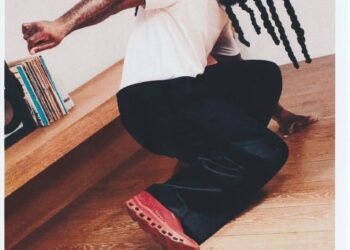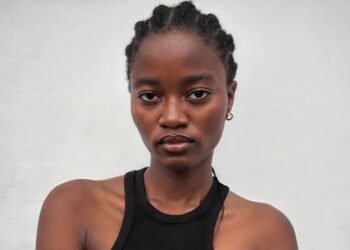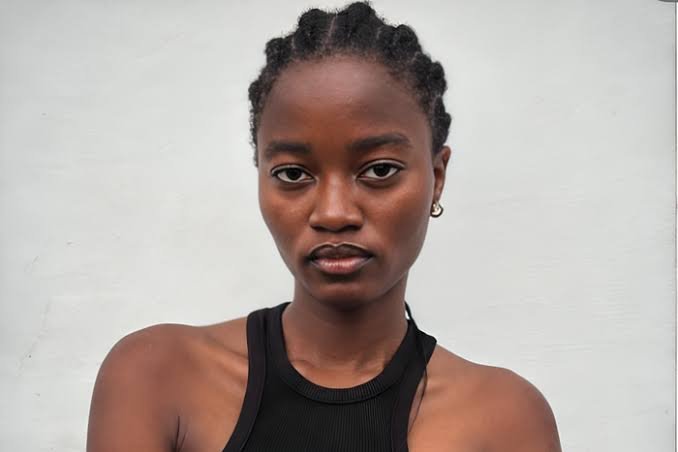

In March 2026, Rachel Ojuromi was just another fashion creator posting videos on Instagram. By October, she was walking the Chanel runway in Paris.
The 22-year-old Lagos-born model made her runway debut for Matthieu Blazy’s Chanel Spring/Summer 2027 show on October 5, 2026, in a gray and yellow tweed shirt and midi skirt. The moment came just months after she and her best friend, stylist Debby Fasingha, recreated Chanel’s Métiers d’Art 2026 collection using thrifted pieces on the streets of Lagos.
The recreation caught Blazy’s attention. He commented “Everything” with a heart-eye emoji under one of her posts. Within months, she was on the cast list.
But Ojuromi’s rise is not just a feel-good story about a viral moment. It is a case study in what is changing for Nigerian fashion content creators, and why the old rules no longer apply.
The Old Model: Wait for Permission
For years, the path to a fashion career in Nigeria was rigid. You needed an agency. You needed connections. You needed to be in the right rooms with the right people. The gatekeepers decided who got seen.
Content creators were often seen as separate from the industry—entertainers, not professionals. The idea that a creator could build a career through social media alone, without traditional industry backing, was not taken seriously.
Ojuromi’s journey challenges that entirely. She was not discovered by a scout nor was she signed after a modelling competition. She was noticed because she created something compelling and put it online.
The New Model: Build Your Own Runway
Ojuromi’s approach was simple but radical: she turned Lagos into her runway. In her viral videos, she strides through markets, balances baskets of bananas on her head, and picks up vegetables—all while wearing fuchsia fringe skirts, animal print co-ords, and thrifted pieces styled by Fasingha.
The videos work because they are rooted in place. Ojuromi was born and raised in Lagos. She has spoken about how the city is “embedded in everything she makes” . The streets, the chaos, the community—they are not a backdrop. They are part of the story.
Her creative collaborators are her friends. Fasingha styles and designs. Odey shoots. They met at Ojuromi’s first film screening and never stopped talking. This is not a professional network built at industry events. It is a creative community built on genuine connection.
Why This Matters for Nigeria’s Creator Economy
Ojuromi’s success is not just personal. It signals a shift in what is possible for Nigerian creators.
According to the Africa Creator Economy Report 2026, Nigeria’s fashion and beauty categories are dominated by women, who make up 42% of creators on Instagram compared to 35% for men. The report notes that younger creators aged 18–25 are increasingly migrating to TikTok for faster virality, while Instagram remains the domain of those aged 25–35.
But the report also identifies a key challenge: infrastructure, not influence, defines creator earnings in Africa. Many creators struggle to convert reach into sustainable income because of gaps in payment systems, contracts, and professional support.
Ojuromi’s path offers a different model. She did not wait for infrastructure to be built for her. She built her own audience, her own creative team, and her own platform—The Process Africa, which spotlights young African creatives. She’s presently signed with four agencies across New York, Paris, and London. She created the conditions for her own success.
The Digital-First Career
Ojuromi’s story also highlights how social media has blurred the line between modelling and content creation. As Nigerian model Eneja Divine noted in a Vanguard interview, “Today, the process behind the work is now part of the content itself”.
Ojuromi did not hide her journey. She documented it. Her followers watched her manifest Paris, then watched her arrive. They saw her recreate Chanel with thrifted pieces, then saw her walk the real show. The audience was part of the story.
This is what makes her influence different. She is not just a model who happens to be on Instagram. She is a creator who used Instagram to become a model. And she did it without waiting for anyone’s permission.
Conclusion
Rachel Ojuromi’s rise from Lagos streets to the Chanel runway is a milestone. But it is also a blueprint.
It shows that Nigerian fashion creators do not need to wait for traditional gatekeepers. They can build their own platforms, cultivate their own audiences, and create their own opportunities. The infrastructure may still be developing. The pay gaps may still exist. But the path is being cleared.
Ojuromi put it best in her Instagram post after her Chanel debut: “Please dream and dream and dream yourself into a life you know is possible even when nobody understands it”