

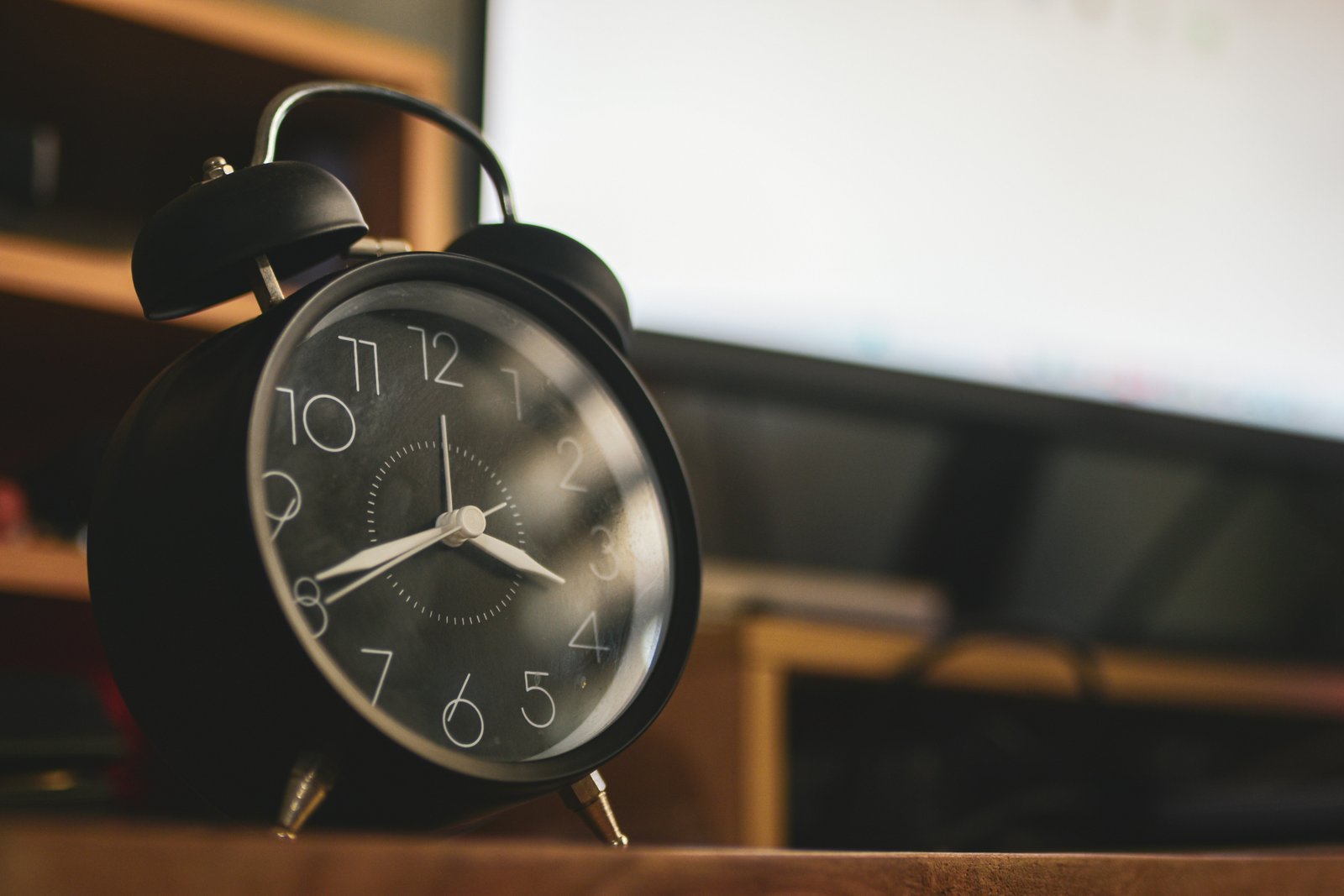
Clocks across much of the United States will fall back once again Sunday as daylight saving time comes to an end.
Daylight saving time started at 2 a.m. March 8 and ends at 2 a.m. Sunday. Unlike in the spring, when we lose an hour and the clocks skip the 2 o’clock hour entirely, we will gain an extra hour Sunday, with clocks jumping from 1:59 a.m. back to 1 a.m.
The sun will also start setting earlier across the United States as we head into the late fall and winter
The Political Fight
Congress and some states have tried multiple times this decade to get rid of the twice-yearly exercise but to no avail. President Donald Trump has expressed support for ending the time changes, arguing that permanent daylight saving time would allow for more daylight to parallel daytime habits while shrinking after-hours activity, including crime.
In early October, Trump urged Senate Republicans to “get moving” on the Sunshine Protection Act, saying the clock-changing process “costs our Country a fortune, is bad for Crime, stress on people, Sports, and just about everything else you can imagine.”
Almost all states have considered legislation to stay on standard or daylight saving time, and 19 states have passed bills or resolutions to implement it year-round in the last seven years. But because federal law does not allow for year-round daylight saving time, the states would have to wait for Congress to pass a bill to make the change
The Health Debate
Many health and sleep researchers are not in favor of permanent daylight saving time, namely because of the potential hazards of dark mornings, which would mean more children walking or driving to school in the dark.
Sleep experts prefer the back-and-forth of the clocks to permanent daylight saving time and point to the increased risks of health problems when clocks are not closely aligned with the sun
Who Doesn’t Observe?
Hawaii and most of Arizona do not observe daylight saving time and therefore do not change their clocks twice a year, according to the Astronomical Applications Department. The US territories of American Samoa, Guam, Puerto Rico, the US Virgin Islands, and the Northern Mariana Islands also observe permanent standard time.
Most countries observe some version of “summer time,” but not all on the same schedule as the United States. According to the Pew Research Center, only about a third of all countries observe daylight saving time. About half observed it at one point but no longer do.
The History
The practice, established by the Standard Time Act in 1918, is an effort to extend the daylight hours we have in the summertime by pushing off sunset an extra hour. Daylight saving time was quickly repealed in 1919, becoming a local matter. It was re-enacted during the early days of World War II and observed from 1942 to 1945.
After the war, implementation varied from state to state until the Uniform Time Act was passed in 1966, standardizing the dates but allowing local exemptions. President Richard Nixon briefly moved the nation to year-round daylight saving time in 1974, but the extended morning darkness was widely panned and blamed for incidents of students being struck by vehicles. Congress subsequently reversed his time changes.
The Bottom Line
Daylight saving time ends at 2 a.m. Sunday, when clocks fall back an hour across most of the United States. Standard time will remain until March 14, 2027. Congress has repeatedly failed to pass legislation making daylight saving time permanent, despite Trump’s push for the Sunshine Protection Act. Hawaii and most of Arizona do not observe the change. Health experts warn that permanent daylight saving time could create hazardous dark mornings.